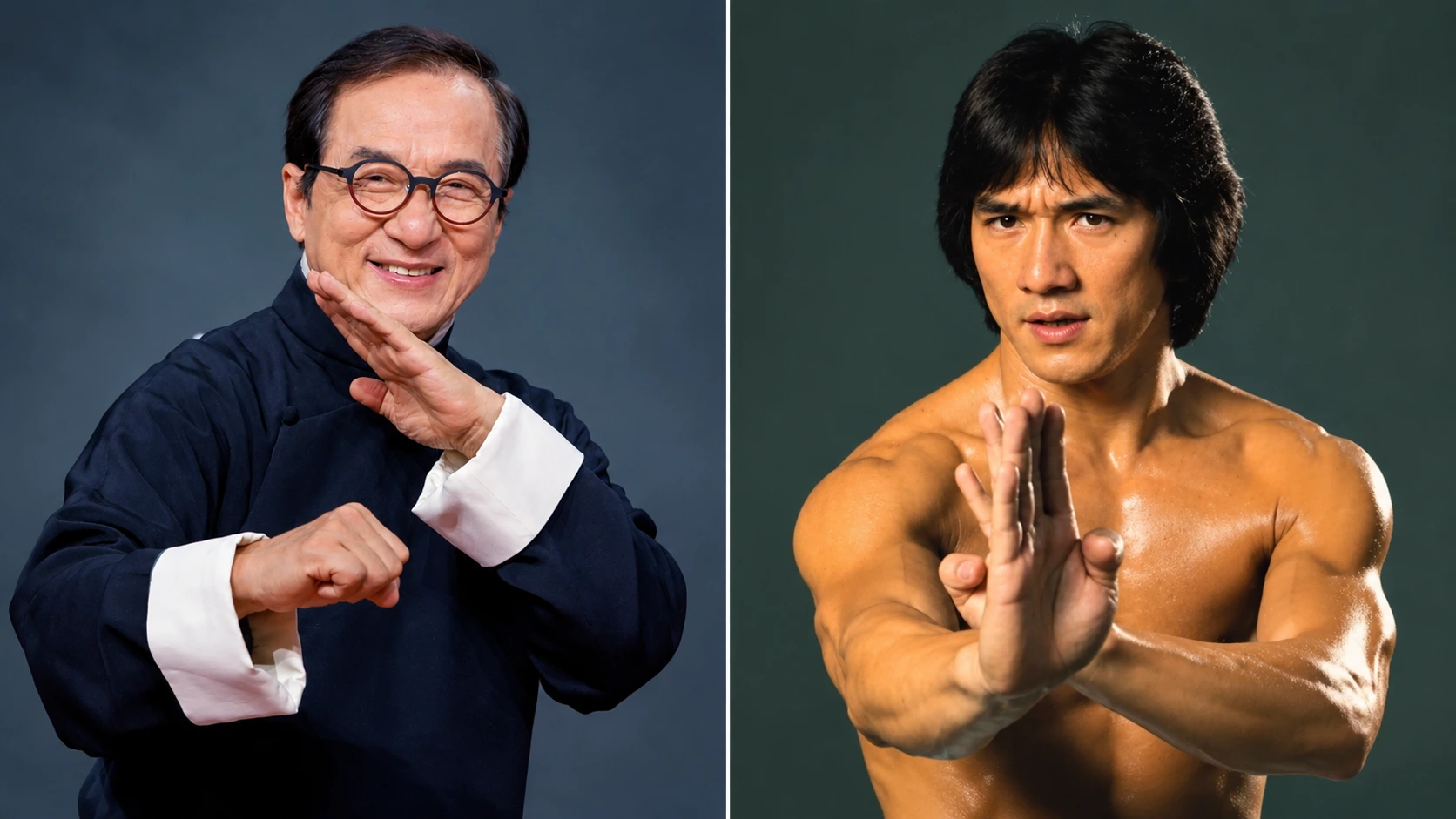
Jackie Chan is alive. A fake post claiming the action star has died has spread across social media in recent days. It carries a dark memorial image and the years 1954 to 2026. There is no credible evidence behind it. Here is what we know, and how you can avoid falling for this kind of rumour.
What the fake posts say
The hoax is simple and cruel. A memorial style picture of the actor appears with his name and two years, suggesting he has passed away. The image has no news report, no family statement and no official source attached.
The posts suggest that the 72 year old star has died in 2026. That is false. Chan, whose real name is Fang Shilong, is alive and still working.
It is easy to see why people believed it. The image looks serious and respectful. Many people share such pictures out of sadness before they stop to check.
How far the hoax travelled
The posts moved fast. One widely shared post reportedly collected more than 3.8 million views in only five hours. Reports say the rumour spread across many platforms and many countries.
That speed shows how easy it is for a false claim to reach millions. A single dramatic image can travel further than the truth. By the time a correction appears, thousands of people may already have passed it on.
| Detail | What is known |
|---|---|
| Claim | Jackie Chan has died |
| Dates on the image | 1954 to 2026 |
| Actor’s real name | Fang Shilong |
| Reported reach of one post | More than 3.8 million views in five hours |
| Status | Fake, with no credible evidence |
Proof that Jackie Chan is alive
The best answer to a hoax is a documented fact. Chan’s most recently reported public appearance took place in Singapore on 7 July. He made a surprise visit to Pei Chun Public School.
According to The Straits Times, the visit was part of an event organised by the Lim Family Foundation. Chan met more than 900 students. Videos from the day show him talking with pupils and staff.
He also sang his song “Hard to Say Goodbye” for the children. The clips give a clear, public record of an active and cheerful star. A person who appears at a school event and sings for hundreds of students is not the subject of a real death announcement.
Reports also say Chan continues to work on upcoming projects. Nothing in the reporting suggests any health scare.
Why celebrity death hoaxes spread so quickly
Death hoaxes about famous stars appear again and again. Jackie Chan is far from the first target. There are a few simple reasons they work.
Emotion comes first. When people see a beloved actor’s face with a memorial date, they react before they think. Sharing feels like a way to show respect.
Images look real. A tribute picture with a date range looks official. Nobody has to write a long story. One image is enough to make a claim feel true.
Nobody asks for a source. Most people do not ask where the news came from. A post with no link and no named reporter should already raise questions.
Algorithms reward attention. Shocking posts get clicks, comments and shares. That pushes them into more feeds, even when they are untrue.
Simple ways to check before you share
You do not need special skills to avoid spreading fake news. A few simple habits make it far harder for a hoax to reach your family and friends.
- Look for a credible source. Real news about a death of a global star comes from major news outlets, official spokespeople or the family. If none of these are mentioned, be careful.
- Search the name. A quick search takes seconds. If a legend has really died, established news sites will report it. If you only find social media posts, that is a warning sign.
- Check official accounts. Stars and their teams often post on their verified pages. Chan is active on Instagram at his official account.
- Read the details. Vague posts with only an image and two dates are a typical sign of a hoax.
- Pause before you post. It is easy to hit share. It is just as easy to wait five minutes.
South Africans can also turn to Africa Check, an independent fact checking organisation. Its website at africacheck.org explains how to spot false claims. It is a useful place to learn how to test what you see online.
A career that keeps going
Part of the reason the rumour stung is that Chan means so much to fans. His career spans more than six decades. He is known for films such as “Rush Hour”, “Police Story” and “Drunken Master”.
Many South Africans grew up watching his action comedies. His mix of daring stunts and humour made him popular far beyond Asia. For lots of families, a Jackie Chan movie was an easy choice for a weekend evening.
That long history helps explain why the news travelled so fast. People care about him. A false report of his death hit a nerve with fans of all ages.
What this means for South African readers
Social media in South Africa is busy every day. WhatsApp groups, Facebook pages and X timelines move quickly. A hoax like this can land in a family group chat within minutes.
If you see the “1954 to 2026” image, do not share it. You can help by telling the sender that the claim is false. A simple message such as “This is a hoax, he is alive” can stop the chain.
Sharing a fake death post also causes real harm. It can upset fans and family members. It can also make people trust real news less over time. Each correction matters.
If you have already shared it, delete the post. A short note saying you were wrong is enough. Most people will appreciate the honesty, and it is easy to do.
The bottom line
The facts are clear. Jackie Chan is alive. The viral posts have no credible evidence behind them. His visit to a Singapore school in July, watched by more than 900 students, is a well documented recent appearance.
Hoaxes like this will keep coming. The best defence is a calm mind and a few simple checks. Look for a reliable source. Search before you share. Trust verified accounts and trusted news outlets over a single dramatic image.
For fans in South Africa, the message is a happy one. The action legend is still here, still working and still entertaining the world. A little care from all of us can help keep it that way for the next celebrity who gets targeted.
About the Author