The spar retail turnaround plan has reached a turning point. On Monday, Spar Group said it will announce a new chairperson and more independent directors by early November. The news is easy to sum up. The story behind it is not so simple.
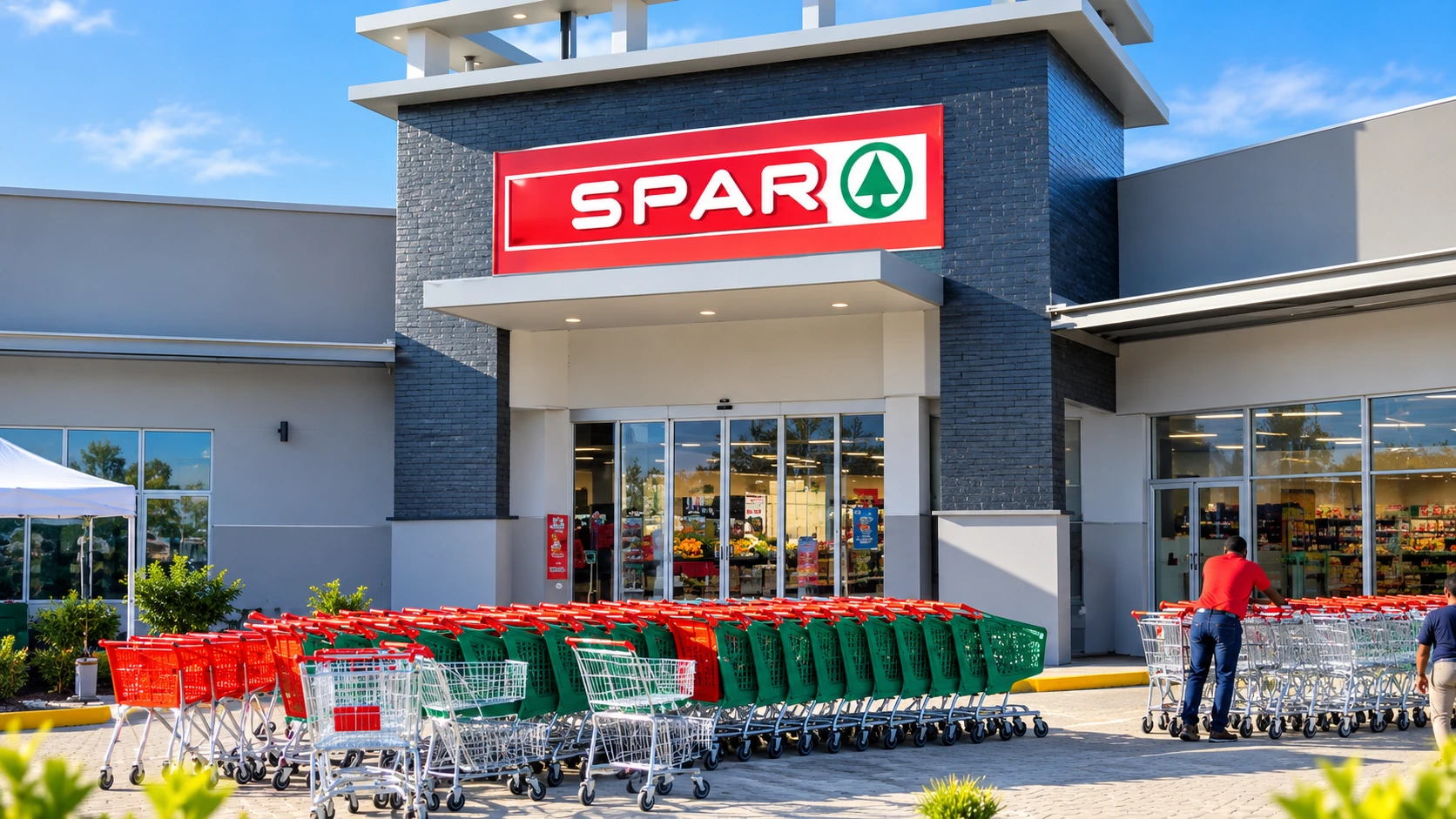
Spar is the second largest grocer in South Africa by revenue. It is based in Durban and works through a network of independent retailers. That model is simple and powerful, but it also means the company depends on the trust of its store owners.
What Spar has announced
Spar says it has hired an independent search firm to find the right people. Candidates are being measured against skills in retail, finance, remuneration and governance. The group will also consider names put forward by shareholders and by representatives of its independent retailers.
That last step is easy to overlook, but it shows a simple truth. The company cannot recover without its store owners on side.
Why the boardroom needed a reset
The search follows a recent shake up. Mike Bosman stepped down as chairman, and Dr Shirley Zinn left as deputy chair, both from 17 August 2026. Lwazi Koyana took over as interim chairman while a permanent choice is found.
Business Day reported that the exits came after months of pressure over governance, retailer profitability and the relationship between Spar and its store owners. When the resignations were announced, the board said its strategy was unchanged. It also backed CEO Reeza Isaacs and CFO Megan Pydigadu.
The recovery effort is not new. Spar has been in turnaround mode since 2023, after financial, operational and structural setbacks shook investor confidence. Many board and management changes have followed. Yet the share price has kept falling, which suggests investors want proof, not promises.
The numbers show why patience is wearing thin
Here is a quick look at what the company has reported this year.
| Item | What Spar reported |
|---|---|
| Financial year 2026 | Expected to finish below 2025 |
| Main pressure point | Southern African Groceries and Liquor business |
| Headline earnings per share, 26 weeks to 27 March 2026 | Down by more than half, to 199.9 cents |
| Net debt | R7.3 billion, up from R5.4 billion in September 2025 |
| Net debt peak in 2022 | R9.8 billion |
| Retailer loyalty | 78.5% |
| 48 weeks to 28 August 2026 | Modest revenue growth, subdued wholesale volumes |
These figures are easy to compare at a glance. In simple terms, sales are creeping up, but not fast enough. Group turnover grew by 2.1% in the first half, which was below inflation. That points to fewer items moving through the tills.
Management blamed heavy promotions, including too much spending on Black Friday, along with the cost of fixing older operational problems. It has said the operational improvements under way have not yet produced enough earnings or cash to offset the pressure in Southern Africa.
What management says it will do
Isaacs became CEO on 1 March 2026. His message has been a simple focus on execution. The immediate priority is to lift profit and cash generation in Southern Africa while still supporting retailers.
Spar says it has renegotiated its debt covenants with lenders and expects to meet the new terms. It also expects net debt to fall in the second half of its financial year compared with the first half. Company updates like these are published on the JSE website, which is an easy place for investors to follow the story.
The group has also simplified its footprint. It has exited Poland and Switzerland. The sale of its southwest England licence business is expected to finish the European clean up. The focus now sits on Southern Africa and Ireland.
There is one more test to watch. In June, Isaacs said Spar should know within six months whether the recovery of its troubled KwaZulu-Natal distribution operation can last. That is not an easy fix, and it makes the spar retail turnaround plan very dependent on fixing the basics: getting stock to stores on time and at the right cost.
A tougher shopping market
Spar is not the only big name changing its leadership. Pick n Pay named former Woolworths executive Spencer Sonn as its next chief executive. Woolworths installed company veteran Sam Ngumeni as CEO in June. Together, the three moves show how hard retailers are fighting for shoppers.
Shoppers are making it harder still. One recent industry analysis found that consumers are very price sensitive. They buy more on promotion, switch brands and move to stores that show the clearest value. The same analysis said Shoprite and Boxer have gained share from Pick n Pay and Spar.
For a household, the logic is simple. If a basket costs less elsewhere, people will walk. Anyone who wants an easy way to track food prices can look at official inflation data from Stats SA.
What this means for shoppers and store owners
For shoppers, nothing changes overnight. Your local Spar is run by an independent owner, and the shelves and specials you see today will look much the same next week.
The bigger question is whether the wholesale side can keep stores well stocked and competitive on price. That is a simple question, but it is not easy to answer.
For store owners, the new chair matters because trust matters. Retailers pushed for the boardroom reset, and they want a board that understands life on the shop floor. A chair with real retail experience could help rebuild that bond.
The date to watch
Early November is now the key date. If Spar names strong people with the right mix of retail, finance and governance skills, it could send an easy signal of confidence to investors and retailers alike. If the names disappoint, doubts will only grow.
A new chair will not fix margins on their own. The spar retail turnaround plan still needs better volumes, tighter costs and steady support for retailers. Still, the right appointments would be a simple first step toward proving that the plan can work.
Until then, Spar’s next results will be the real test. Shoppers, store owners and investors will be watching closely to see whether the recovery is finally gaining ground.
About the Author