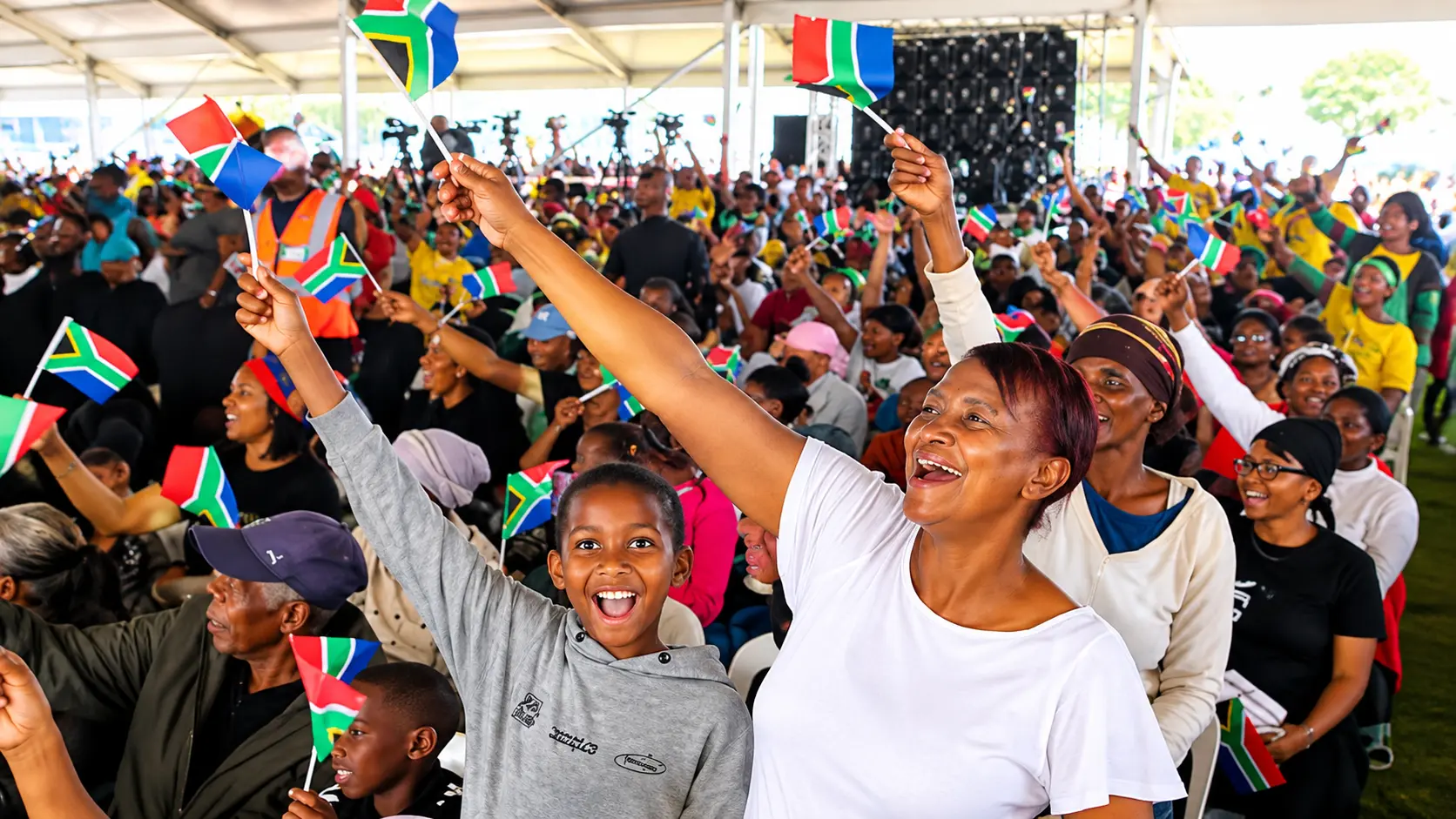
South Africans across the nation are preparing to mark 24 September with vibrant displays of music, dance, and traditional attire. President Cyril Ramaphosa will lead the main national ceremony at the Bongolethu Sport Stadium in Oudtshoorn, located in the Western Cape. The event brings together community members, traditional leaders, and government officials to reflect on the country’s rich history and diverse cultures.
Why The Venue Changed
The decision to host the primary national celebration in the Little Karoo region comes after a shift in event planning. Organisers originally intended to hold the national event in KwaZulu-Natal alongside uMkhosi weLembe, an annual commemoration that honors Zulu King Shaka.
Following discussions with King Misuzulu kaZwelithini and KwaZulu-Natal provincial officials, leaders agreed that separating the two gatherings was a simple way to ensure each commemoration received full national recognition. This step made it simple for attendees to celebrate both occasions without logistical overlap.
National organisers initially considered George as an alternative venue in the Western Cape before selecting Oudtshoorn as the final destination.
However, the Western Cape provincial government raised concerns regarding the sudden relocation. Ricardo Mackenzie, the Western Cape Cultural Affairs and Sport MEC, pointed out that proper consultation with affected local municipalities was lacking. He stressed that holding a major national event requires sufficient lead time so local councils can prepare security, transportation, and venue operations smoothly. Thorough advance planning ensures an easy workflow for local staff, making hosting duties far more manageable.
Why Oudtshoorn Makes Sense As A Host Town
Despite the tight scheduling, Oudtshoorn offers a rich setting for a national gathering. Situated between the Swartberg and Outeniqua mountains, the town is world-renowned for its ostrich farming industry and the historic Cango Caves. Its unique cultural mix and vibrant community heritage make it a natural fit for a nationwide celebration.
Choosing a regional hub outside major metropolitan centers ensures that rural communities participate directly in national observances. Local municipal workers in Oudtshoorn have worked tirelessly to ensure stadium preparations meet national event standards.
What Heritage Day Is All About
Heritage Day is a public holiday created to encourage South Africans to celebrate their cultural diversity, traditions, and shared history. Across all nine provinces, citizens commemorate the day by wearing traditional clothing, preparing traditional food, and participating in local music and art showcases.
The day serves as a simple reminder of how different backgrounds unite under a shared democratic Constitution. It offers an easy opportunity for families to pass down traditional stories and values to younger generations.
What To Expect On The Day
The program at Bongolethu Sport Stadium features speeches, cultural performances, and artistic exhibitions. Key elements planned for the celebration include:
- Keynote Address: President Cyril Ramaphosa will deliver the official national message focusing on unity, social cohesion, and heritage preservation.
- Cultural Performances: Traditional dancers, choir groups, and musical artists will showcase performances reflecting various South African traditions.
- Dignitary Attendance: National cabinet ministers, provincial leaders, and traditional leaders will join local residents in the stands.
Official guidance on schedules and public access can be accessed via the Department of Sport, Arts and Culture
website. For broad government statements, citizens can visit the South African Government website
.
A Quick Look At The Details
| Detail | Information |
| Main Event Location | Bongolethu Sport Stadium, Oudtshoorn |
| Host Province | Western Cape |
| Keynote Speaker | President Cyril Ramaphosa |
| Key Theme Focus | Cultural diversity, unity, and living heritage |
The Bigger Picture
Holding national celebrations in different parts of South Africa ensures that all communities share in national identity milestones. While the last-minute planning created administrative challenges for local officials, the focus remains on bringing people together to celebrate what makes South Africa unique.
Providing clear coordination steps makes future event hosting an easy task for municipalities, ensuring that every region receives proper support when hosting national honors.
About the Author