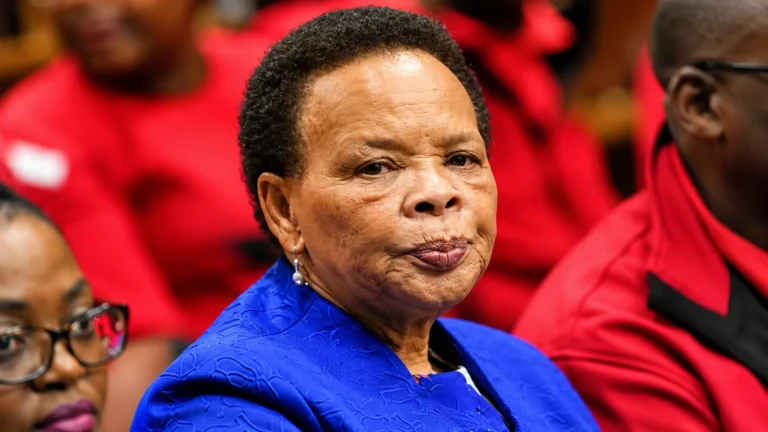
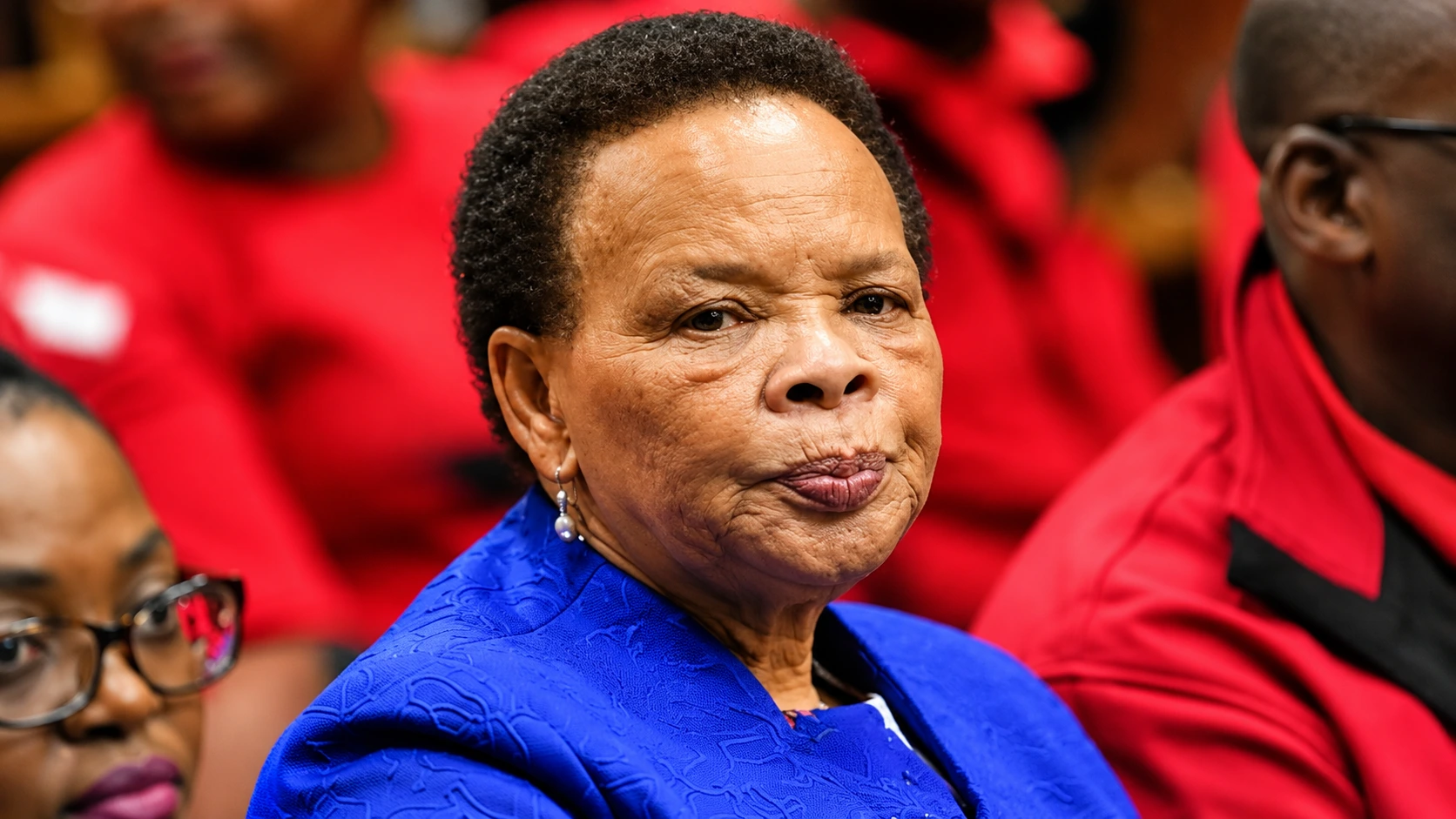
More than three decades after his murder, Chris Hani is back in the national conversation. His widow, Limpho Hani, says the struggle icon cried when he learnt from a television report that the ANC had suspended the armed struggle. The story is simple, but it carries real weight. It also offers an easy way to see the human being behind the legend.
What Limpho Hani said
In an emotional interview with Sizwe Mpofu Walsh, Limpho Hani spoke about the final years of her husband’s life. She described a man who was deeply loyal to the ANC but was hurt by how some decisions were made during the move away from apartheid.
By her account, Hani did not hear about the suspension from his own organisation. He saw it on the news. She says he broke down and cried, and that “nobody had the decency to send a message” to explain what had been decided.
She believes the process was rushed. People were in a hurry to take up government offices, she said, and they did not want to hear a different voice. It is not easy to hear such words about a movement that many South Africans still hold dear.
Clips of the interview were shared on X by Sizwe Mpofu Walsh on 15 November 2026.
The context behind the hurt
To understand the pain, it helps to know the background. Armed action had been a central part of the ANC’s fight against apartheid for decades. Suspending it was a step towards negotiations. For a commander who had spent years in that struggle, it was bound to be a major moment. The reason this matters is simple: the decision was political, but the way it reached him was personal.
Who was Chris Hani?
A quick reminder helps younger readers. Chris Hani was born on 28 June 1942 in Cofimvaba, in the former Transkei, which is now part of the Eastern Cape. He joined the underground South African Communist Party in 1961, the year uMkhonto we Sizwe was formed, according to South African History Online.
He went on to serve as chief of staff of uMkhonto we Sizwe, the armed wing of the ANC. In December 1991 he became general secretary of the SACP. Today he is remembered as one of the most revered figures in the fight against apartheid.
He was assassinated outside his home in Boksburg on 10 April 1993. The killing nearly pushed South Africa into turmoil and sped up the negotiations that led to democracy.
Key points at a glance
The table below keeps the main points simple and easy to scan.
| Detail | What is known |
|---|---|
| Who is speaking | Limpho Hani, widow of Chris Hani |
| Interview with | Sizwe Mpofu Walsh |
| Main claim | Chris Hani learnt of the suspension of the armed struggle from TV and cried |
| Hani’s roles | Chief of staff of MK and general secretary of the SACP |
| Date of assassination | 10 April 1993, Boksburg |
A public stand and a private hurt
Hani’s own words from the time add another layer. In February 1991, he wrote a short account of his life in which he called the decision to suspend armed action correct. He said it helped keep negotiations moving. The text is on the SACP website.
That does not have to clash with what his widow says now. Backing a decision in public is one thing. Being left out of how it is shared is another. Her words focus on how the news reached him and how fast events were moving.
The lesson is simple. A person can believe in a political direction and still feel wounded by the way it was handled. It is an easy point to miss when we read history as a list of dates and agreements.
The daughters’ plea
Limpho Hani also recalled a moment inside the family home. The couple’s daughters asked their father to resign from politics. They told him they had never had quality time with him and begged him to live a normal life.
She says the request moved him to tears. As she tells it, he replied that he loved them very much and could leave the ANC, but he would never be happy while his people were not free.
Looking back, she wishes she had listened to her daughters. At the time, she supported her husband’s choice to stay. Today, she says, he should have left.
Such a family scene is not easy to picture for a man known mostly through speeches and struggle history. It is also a simple reminder that every leader and every family pays a personal price.
Questions about the assassination remain
She also renewed longstanding questions about the murder of her husband. She alleged that critical leads were never fully investigated. She also argued that many families touched by political violence have still not received justice.
Those in power, she said, carry on as usual until the pain reaches them personally, and so they do not understand what families go through.
These are her claims, and they echo a call the Hani family and the SACP have made many times: that the full truth behind the killing must come out. More than 30 years later, the questions have not gone away.
How to read her account
It is easy to forget that this is one person’s recollection, shared in an interview. The report we reviewed did not include a response from the ANC. Readers should keep that in mind, and watch for any reply from the party.
Why her words matter
During his lifetime, Hani spoke about putting the struggle ahead of personal comfort and family life. He believed freedom for South Africans was worth any personal cost. His widow’s recollections show what that choice looked like at home.
For readers, there are a few simple takeaways. Heroes are people, with feelings and doubts. Big political decisions affect individuals, often in painful ways. And justice that is delayed leaves families waiting.
It is easy to honour a leader with a statue or an anniversary speech. It is harder, and more honest, to listen to those who lived beside him. That is why the testimony of Limpho Hani is worth hearing, as South Africans continue to reflect on the legacy of Chris Hani and the questions that remain.
About the Author