A senior South African film executive has opened up about a painful chapter in her career, revealing that a powerful boss once handed her a list of men she was expected to sleep with in order to close business deals. Her story, now shared publicly, sheds light on a side of the entertainment industry that many people still find hard to talk about.
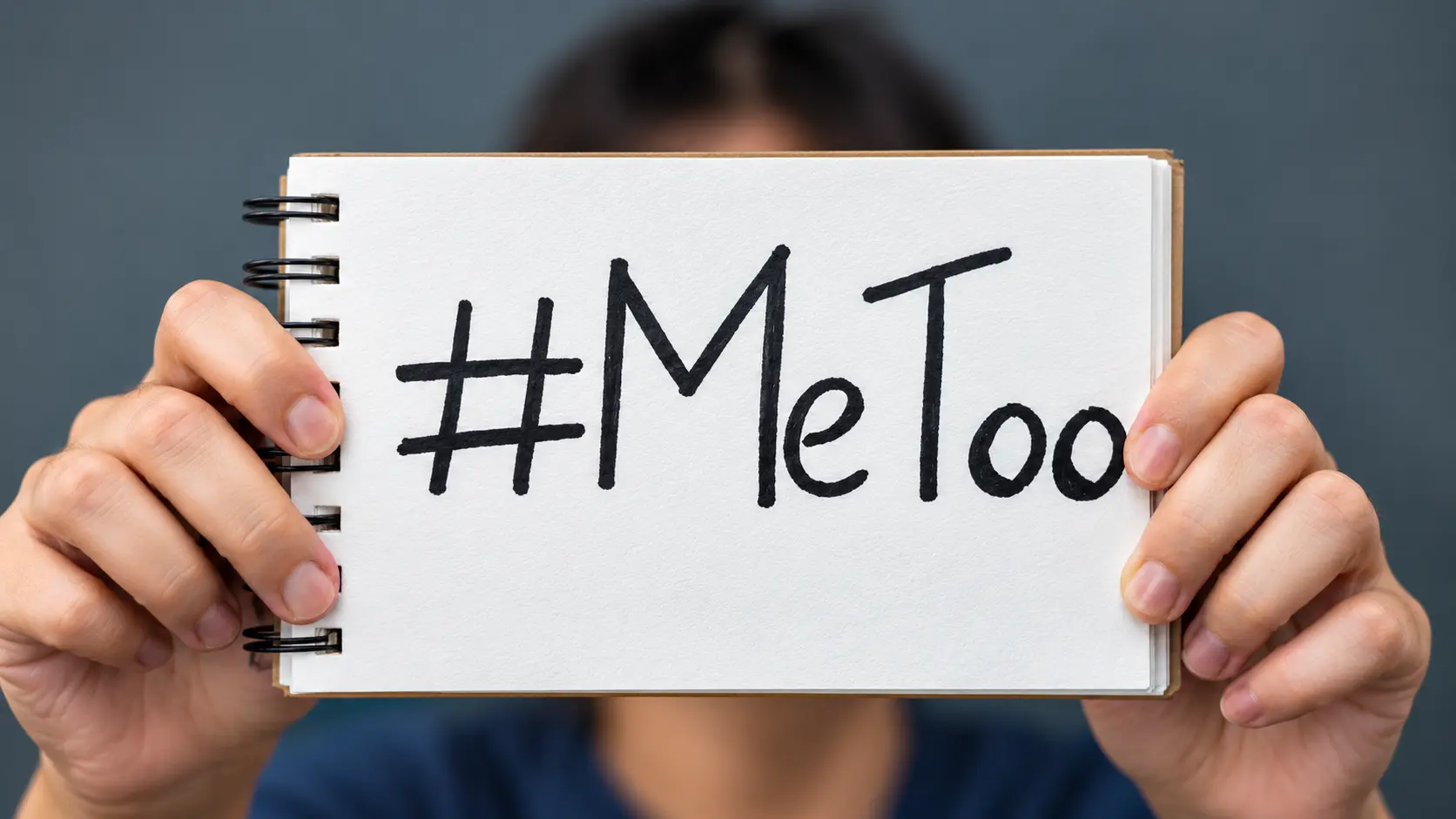
The events took place back in 2001, long before the global #MeToo movement brought widespread attention to sexual harassment and abuse of power in the entertainment world. For this executive, the experience was anything but easy, and it has stayed with her for more than two decades.
A Dream Job Turns Difficult
At the time, the executive had just landed what looked like the opportunity of a lifetime. She had been hired by a major American film company based in New York, a business that produced and distributed movies across the globe. It was the kind of role that could launch a career into the international spotlight almost overnight.
But things did not stay simple for long. Within weeks of starting, she began noticing warning signs. She was frequently called into what she referred to as the corner office, often without much notice and no matter what she happened to be doing at the time.
At first, these meetings included other colleagues, so nothing felt out of place. Slowly, though, the pattern changed. She found herself being asked to stay behind after everyone else had left, or being summoned to meet the boss on her own.
Nothing Subtle About It
According to the executive, the behaviour grew increasingly inappropriate over time. What could have been brushed off early on as an awkward moment soon became something far more obvious. She said there was nothing subtle about what was happening.
She was young, ambitious and determined to build a name for herself in one of the most competitive industries in the world. Her job took her to some of the biggest events on the film calendar, including Cannes, Toronto and Berlinale. These international trips should have been career highlights. Instead, they became some of the most uncomfortable moments of her working life.
She recalled two separate occasions during overseas travel when an assistant tried to push her into an elevator, supposedly to attend a meeting that was actually taking place in the boss’s hotel room. Both times, she managed to avoid the situation.
Expected To Trade Sex For Business Deals
Toward the end of her first year in the job, matters came to a head. The boss called her in once again, this time handing her a list of high ranking film executives from around the world. She was told she needed to sleep with them in order to secure business for the company.
That was where she finally drew a firm line. But walking away from the situation was not a simple decision. She was far from home, working in a foreign country as what she described as a legal alien in the United States. To make things harder, she had signed a watertight non disclosure agreement, which made the whole ordeal feel even more intimidating.
Years later, she learned that sexual harassment lawsuits filed against the same boss added up to more money than the budgets of every film the company had in production at the time. It was only then that she truly understood the scale of what had happened. She said that realising this made her feel like she too was part of the #MeToo story, even though her experience happened long before the hashtag existed.
Why These Stories Still Matter Today
This account is a reminder that workplace sexual harassment is not a new problem, even though public awareness has grown massively in recent years. Many South Africans, especially women working in male dominated industries such as film, media and entertainment, continue to face similar pressures at work.
Under South African law, employees are protected from this kind of treatment. The Commission for Gender Equality works to promote respect for gender rights and investigates complaints related to unfair treatment based on gender, including harassment in the workplace. Employees who experience sexual harassment can also seek help through the Commission for Conciliation, Mediation and Arbitration (CCMA), which handles workplace disputes and offers a straightforward, accessible process for reporting misconduct.
For many victims, speaking up still feels far from easy. Fear of losing a job, damaging a career, or simply not being believed often keeps people silent for years, just as it did in this case. Non disclosure agreements, like the one signed by this executive, can also make it harder for victims to come forward, even long after the fact.
A Table Of Where South Africans Can Turn For Help
| Organisation | What It Offers |
|---|---|
| Commission for Gender Equality | Investigates gender based complaints and promotes equality in the workplace |
| CCMA | Handles workplace disputes, including harassment cases, through a simple reporting process |
| Department of Employment and Labour | Oversees workplace rights and provides guidance on employee protections |
Breaking The Silence
What makes this story significant is not just what happened, but the fact that the executive chose to share it publicly, decades later. Her experience highlights how deeply personal and long lasting the effects of workplace harassment can be, even for successful, high achieving professionals.
Her decision to speak out also sends an important message to other South Africans who may have gone through something similar. Coming forward is rarely simple, but there are systems in place today that did not exist, or were not widely known, back in 2001.
As conversations about workplace conduct continue to grow across South Africa, stories like this one serve as a powerful reminder of why support structures, clear policies and safe reporting channels remain so important. They also show why continuing to talk about these experiences, however uncomfortable, plays a role in helping change workplace culture for the better.
For anyone currently facing similar pressure at work, reaching out to organisations such as the Commission for Gender Equality at cge.org.za or the CCMA at ccma.org.za can be a helpful and easy first step toward getting support and understanding their rights.
About the Author