Nearly half of Shoprite’s shareholders voted against a new incentive plan for the chief executive. The plan still went through. The reason is simple: the company’s voting structure gave one major shareholder far more say than his share of the business suggests.
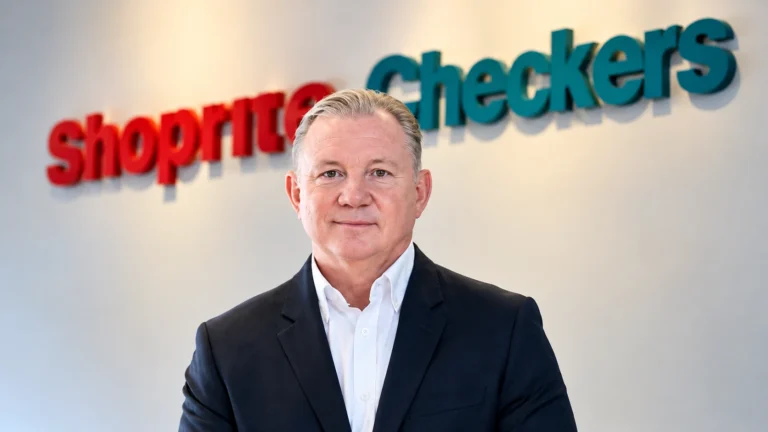
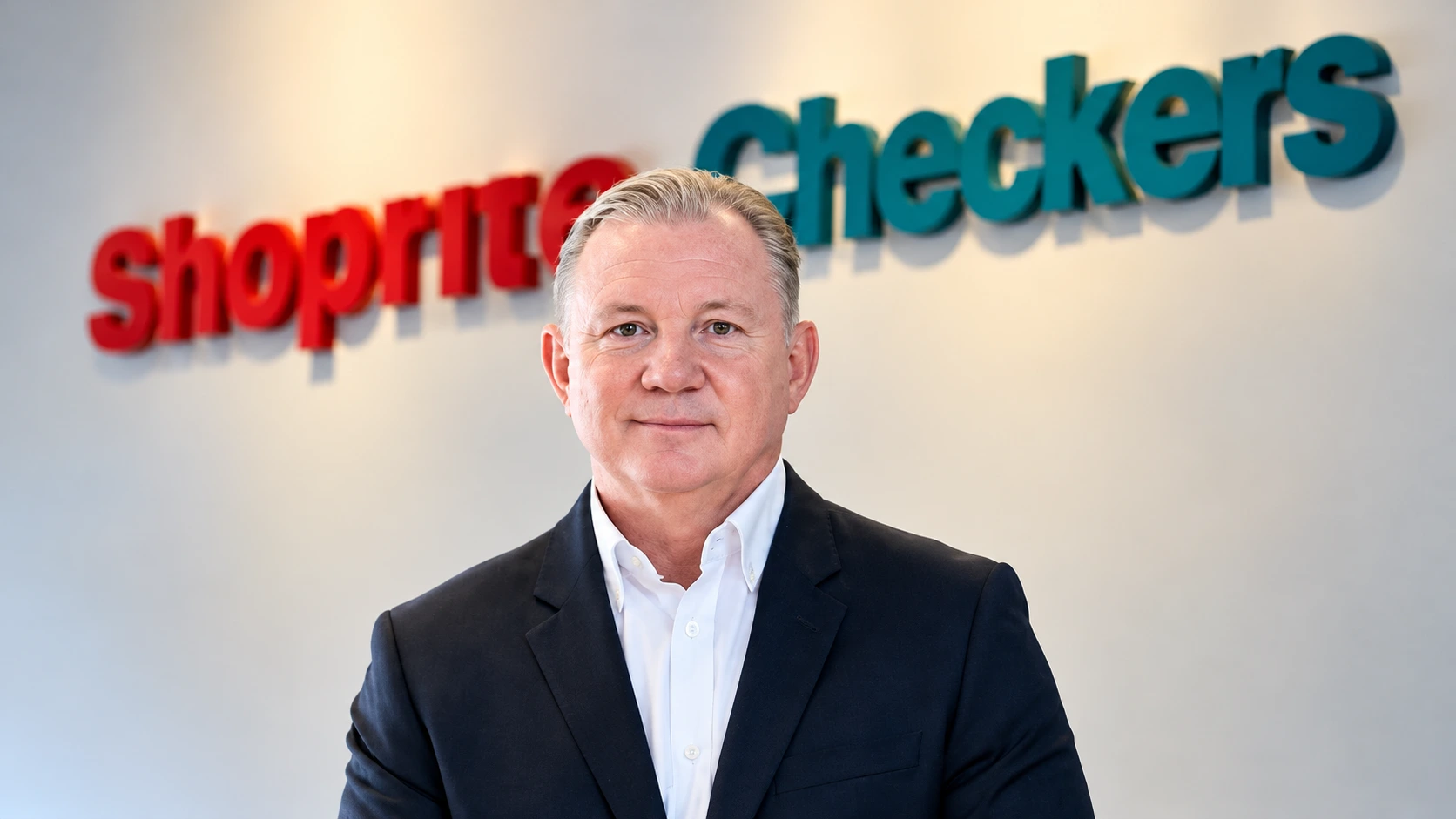
The result has reopened a hot debate about executive pay in South Africa. Many ordinary people are asking how the boss of a food retailer can earn so much while shoppers struggle with high prices. At the centre of the storm is pieter engelbrecht, who has led the retailer since 2016.
What Happened at the Shoprite AGM
Shoprite held its annual general meeting on Friday, 6 November 2026. One item drew the most attention. The board asked shareholders to approve a once off long term incentive for the CEO. Reports put its value at about R36.4 million.
The shoprite pieter engelbrecht ceo bonus vote did not go quietly. According to reports, nearly half of the shares cast went against the proposal. In a normal company, that kind of opposition would be a serious problem. At Shoprite, it was not enough to stop the plan.
The reason is Christo Wiese. The billionaire is reported to control about 41% of the votes at the retailer, even though he does not own that share of the company’s capital. His high voting shares carry extra weight. When the votes were counted, they tipped the result in favour of the board.
The Pay Package Behind the Anger
The row is about more than one bonus. It is about the whole package.
Reports say Engelbrecht earned a total of R117.8 million in the latest year. That is a rise of about 35%. For many South Africans, it is hard to picture that much money.
Here is a simple look at the main numbers reported so far:
| Item | Reported detail |
|---|---|
| CEO total pay | R117.8 million, up about 35% |
| New incentive plan | About R36.4 million, once off |
| AGM date | Friday, 6 November 2026 |
| Wiese voting power | About 41% of votes |
Shoprite has not said much about the matter. The company declined to comment beyond its remuneration report and its notice of the annual meeting.
Who Spoke Out Against the Plan?
The opposition came from some of the biggest names in investor advice.
Two leading proxy advisers, Institutional Shareholder Services and Glass Lewis, told investors to reject the plan. Proxy advisers are firms that study company proposals and tell large investors how to vote. Their view carries weight.
ISS went further. It also advised shareholders to vote against the company’s remuneration implementation report. Its concern was how the pay committee handled a short term bonus. According to reports, the committee used its discretion to pay out that bonus in full, even though performance fell below the minimum threshold.
Several large foreign investors also said they would vote no. They included:
- The funds overseen by the New York City Comptroller, which manage about $326 billion
- KLP, Norway’s largest pension company, with about $90 billion under management
At least four investors also planned to vote against the pay report. Together, these institutions oversee almost $2 trillion. Their stakes in Shoprite are small, but their voices are loud.
Why Binding Votes Make This Story Bigger
This AGM was seen as an early test of a new investor power in South Africa. Shareholders can now cast binding votes on some pay matters. In the past, many pay votes were only advisory.
A binding vote should be easy to understand. If enough investors say no, the company must listen. At Shoprite, a large group did say no. Yet the outcome did not change.
That is why this case matters. It shows that voting power is not always the same as ownership. Critics say this gap makes the new rules less useful at companies with special share structures.
You can read more about company law and corporate rules on the Department of Trade, Industry and Competition website. The Johannesburg Stock Exchange also publishes listing rules for companies like Shoprite.
Wiese Defends the CEO
Wiese did not hide his support. He compared the current boss with Whitey Basson, the long serving former CEO of Shoprite. In his view, the same logic that applied to Basson applies to pieter engelbrecht today. He argued that top talent is worth paying for.
Basson’s own pay was a flashpoint in the past. In 2016, he was paid about R100 million, including a R50 million bonus. That led to loud public criticism and a change in how pay was set for his successor.
Not the First Time Investors Have Pushed Back
Shoprite shareholders have complained about pay for years. In an earlier reporting period, more than 40% of shareholders voted against the company’s pay policy. At that time, pieter engelbrecht was paid about R83.3 million, up from R64.7 million the year before. That made him the best paid boss among the big food retailers.
In earlier years, the Public Investment Corporation also voted against pay resolutions at Shoprite several times. The PIC manages money for government workers, so its views matter to many ordinary South Africans.
Under JSE rules, a company must reach out to shareholders who vote against pay proposals. It must hear their concerns and explain what it plans to do. This is an easy step to overlook, but it is one of the main tools investors have.
What This Means for Everyday South Africans
You may wonder why this matters if you do not own Shoprite shares. There are three simple reasons.
First, your pension fund may hold them. Money managers who vote on your behalf shape these decisions.
Second, pay gaps are a sensitive topic. The minimum wage for retail workers sits at a small fraction of what the CEO earns. That contrast is hard to ignore.
Third, fair rules build trust in the market. When a large group of investors vote no and the result does not change, trust can suffer.
What Could Happen Next
Shoprite may now need to speak to the investors who voted against the plan. The company has not yet said how it will respond. Analysts and investor groups will likely watch the next remuneration report closely.
There is also a wider question. Should dual voting structures be allowed to override the views of nearly half of shareholders on pay? That debate is likely to continue. For now, the shoprite pieter engelbrecht ceo bonus vote stands as a clear example of how control and ownership can differ.
The Bottom Line
Shoprite’s AGM ended with a pay plan approved and a business community divided. Nearly half of voting shareholders said no. Major proxy advisers and large foreign funds said no. Yet the board’s plan passed.
For readers, the key point is simple. Executive pay is not only about one person’s salary. It is about who holds power in a company and how much say ordinary investors really have.
About the Author