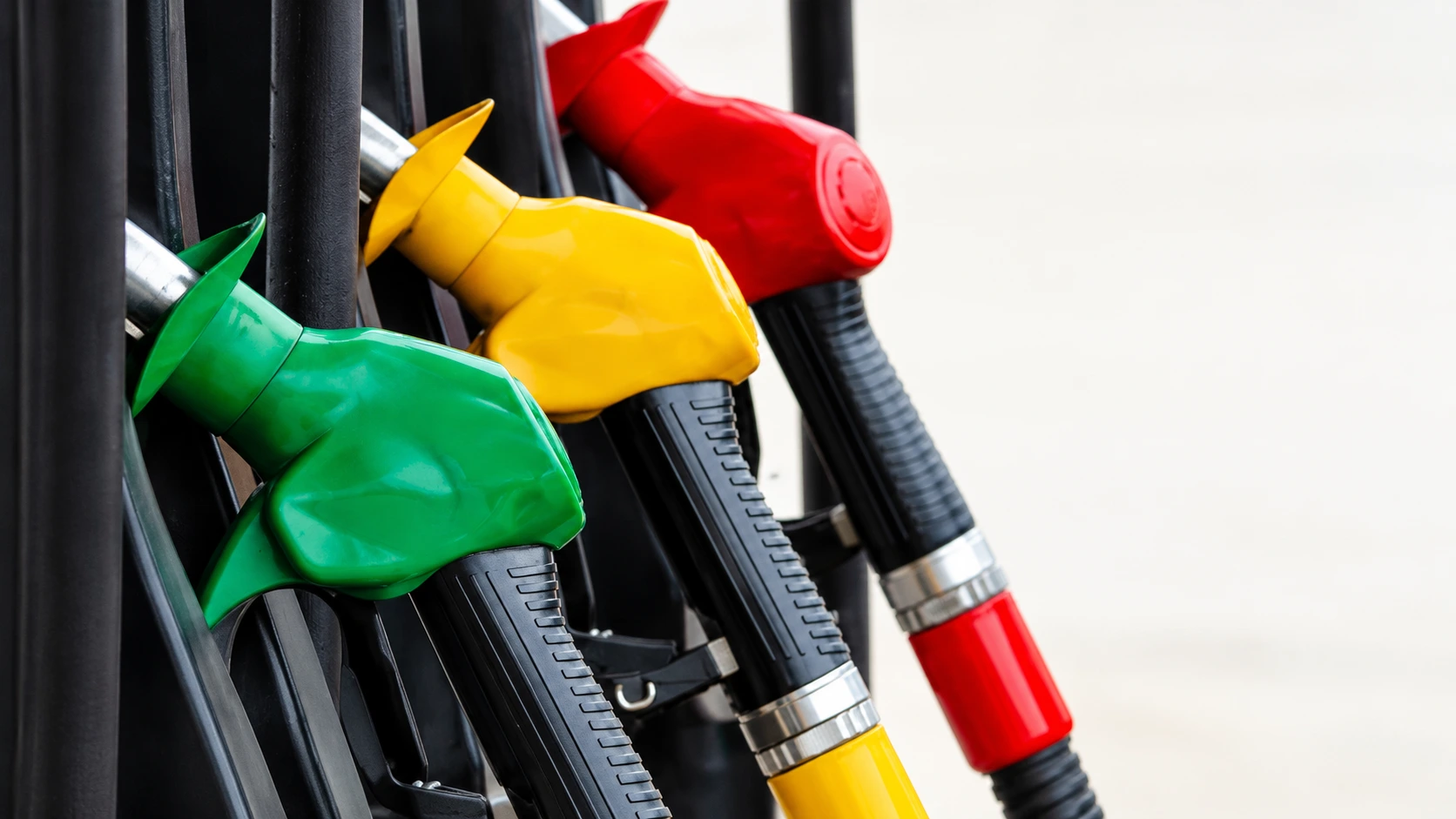
South Africans are feeling the squeeze at the pumps, and government is working on a plan to help. A R10 billion relief package is moving through Parliament. At the same time, a call for a national shutdown on Monday is adding pressure. Here is a simple guide to what we know so far.
What the R10 billion plan is about
Parliament is processing the Second Special Appropriation Bill. It proposes taking R10 billion from the National Revenue Fund. The money would go to the Department of Mineral and Petroleum Resources. Its purpose is to steady fuel costs and protect consumers from sharp swings in prices linked to the conflict in the Middle East.
The Standing Committee on Appropriations has already adopted its report on the bill. It also asked the Finance Minister and the Minister of Mineral and Petroleum Resources to make sure Treasury and the department report back to Parliament. That report should cover possible future shocks and the situations in which fuel relief and levy measures would be used.
Talk about the national treasury r10bn fuel funds has grown for a simple reason. The amount matches what Finance Minister Enoch Godongwana first set aside for relief in April. The Congress of South African Trade Unions (COSATU) wants Parliament to pass the bill quickly. It says the money should go to the Central Energy Fund to cushion people from global oil price swings.
You can follow budget updates on the official National Treasury website.
How this plan differs from the earlier relief
The new plan is not the same as what happened between April and June. Back then, government cut the general fuel levy, which meant giving up tax income. Reports say the new R10 billion plan will not involve tax cuts or lost revenue.
It is easy to see why that matters. The table below explains the earlier relief in a few lines.
| Period | What happened | Key detail |
|---|---|---|
| April | Temporary cut to the general fuel levy | R3 per litre |
| May | Relief extended, with more help for diesel | Diesel relief rose to R3.93 per litre |
| 3 to 30 June | Relief halved to phase it out | R1.50 for petrol and R1.96 for diesel |
| April to June | Total cost to the state | About R17.2 billion in lost revenue |
That R17.2 billion figure is a big part of the story. It shows why Treasury has to think carefully before cutting levies again.
Why fuel prices keep hurting
Fuel prices have climbed sharply this year. In October, petrol reached R30.25 per litre. Diesel is above R33.29 per litre. Reports say petrol and diesel have risen by roughly R10 and R15 per litre since late February.
Global oil is part of the problem. Oil was trading at about $109.9 a barrel on Saturday. Earlier this month, Brent crude had already jumped from around $86 to $108. Another large diesel increase, of around R3 per litre, was expected at the start of October.
When fuel costs more, almost everything else follows. Transport, food and school runs all get pricier. That is why this issue touches every household, not only motorists.
What SARS and Treasury actually earn from fuel
Many readers are searching for sars fuel revenue south africa to understand who collects what. SARS administers the fuel levies for the state. The general fuel levy flows into the National Revenue Fund and can be used for general government spending. The second charge is the Road Accident Fund levy, which funds compensation for road accident victims.
Here is the part that surprises many people. Economist Tracey-Lee Solomon of the Bureau for Economic Research says the state does not earn more just because the pump price goes up. The levy is charged per litre, so the rand amount stays the same when the price rises. She also noted that Treasury does not collect VAT on fuel.
So the simple rule is this. A higher pump price does not mean a bigger tax windfall. A levy cut, on the other hand, does cost the state money. That is why it is not an easy choice for Treasury.
You can read more about how the revenue service works on the SARS website.
The national shutdown call
Pressure is also building on the streets. A group called Concerned Citizens of South Africa is calling for a national shutdown on Monday, 19 October. Its poster asks workers to stay home and learners to skip school. The group wants government to cut fuel taxes and levies to bring down pump prices.
A representative, Ntokozo Mkhize, confirmed that the poster came from the organisation. He argued that government should review the levies in fuel prices. He also asked why neighbouring countries that receive fuel from South Africa can sell it for less.
The group is not alone in its concern. The Automobile Association of South Africa has also raised alarm about high prices. Earlier, on 30 September, the protest group March and March held a separate day of mobilisation.
Here is what we do not know yet. It is unclear how many people will join the national shutdown 19 october 2026 call. It is also unclear whether it will lead to any policy response. Reports say that remains to be seen.
If you work or study on Monday, it makes sense to check with your employer or school early. A quick message can make planning easy.
What the rand and the budget mean for you
The rand has been holding up. It traded at about R16.45 to the dollar in early trade on Friday. By Saturday it was around R16.48. Investors are now looking to next week’s medium term budget policy statement from Godongwana. They are hoping for signs of a better budget balance and a more positive credit rating outlook.
This matters for fuel prices because a stronger rand helps soften the cost of imported oil. It will not fix the problem alone, though. Oil prices and government decisions both play a big role.
Also in the news: DStv loses another channel
There is bad news for parents with DStv. MultiChoice has confirmed that subscribers will lose the international preschool channel JimJam on 11 November 2026. The move ends a partnership that lasted 13 years.
What to watch next
Several things are worth following in the coming days.
- Parliament and the bill. Watch whether the Second Special Appropriation Bill passes and how quickly the money reaches the Central Energy Fund.
- The next fuel price announcement. The monthly adjustment will show whether any relief is making a difference.
- The national shutdown. Monday’s turnout will show how strongly people feel.
- The medium term budget. Treasury’s statement may give more clues about fuel relief and government finances.
The simple message is that help may be on the way, but nothing is guaranteed. The R10 billion plan is meant to ease the pain without cutting taxes. Still, the national shutdown call shows that many people want faster and bigger action. For now, motorists should keep an eye on official announcements. Staying informed is the easiest way to plan your budget for the weeks ahead.
About the Author