South African motorists woke up to mixed news on Thursday, 22 October 2026. One of the world’s best known luxury car brands is shrinking its local range. At the same time, fuel price relief is on the way for anyone who fills a tank.
Here is a simple look at both stories, plus what is happening with the rand and the bond market.
The end of an era for Audi in South Africa
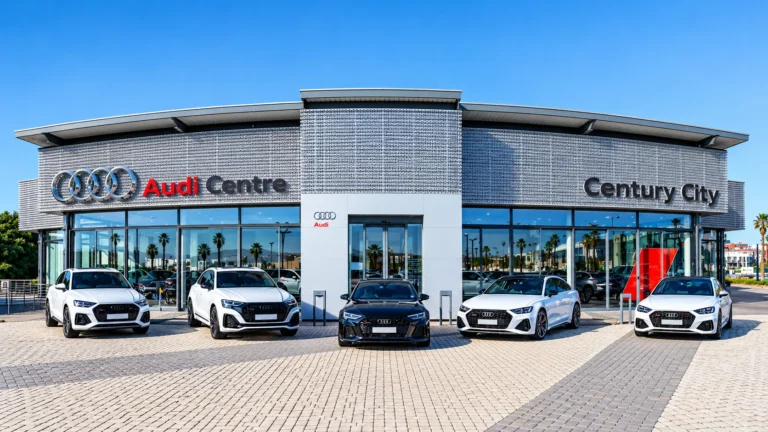
Audi will stop selling the A1 and the Q2 in South Africa. Both models have been on local roads for more than ten years, so this is a real turning point for the brand.
The A1 was an easy way for many buyers to get into a premium badge. The Q2 offered a compact SUV shape with Audi’s styling. For a lot of young professionals and first time luxury buyers, these were the entry points to the brand. Once they leave showrooms, that doorway closes.
These two cars are not the only ones to go. Reports say 28 models have been pulled from Audi’s local lineup in recent years, so the A1 and Q2 follow a long list of earlier exits.
Why the range keeps shrinking
The main reason appears to be sales. Audi’s sales in South Africa have fallen by around 76%. That is a huge drop for any carmaker.
The brand also faces tougher competition. Rival manufacturers have launched more models, often at more attractive prices. Buyers now have far more choice than they did a decade ago.
When sales fall this sharply, carmakers usually cut slow selling models first. It is a simple business decision, even if it feels sad for fans of the brand.
What it means for current owners
If you already own an A1 or a Q2, nothing changes overnight. Your car is still on the road and still yours. Many owners will simply want to check on servicing and spare parts with their nearest dealer. That is an easy conversation to have, and it is better to have it early.
If you were thinking of buying one, speak to a dealer soon. Remaining stock will not last forever.
Petrol price joy for November
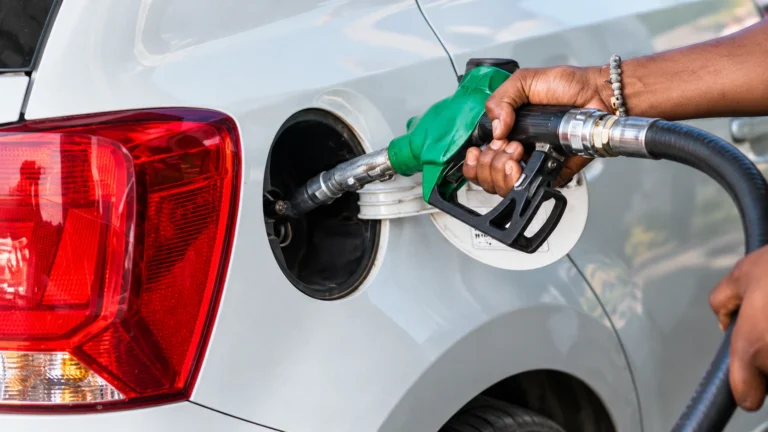
Now for the news that will matter to almost every household. The government has announced another round of fuel price relief.
Finance Minister Enoch Godongwana said the fuel levy will be cut for a limited period. The change starts on 4 November 2026 and runs until 1 December 2026. That is roughly one month of lower costs at the pump.
The cuts are as follows:
| Fuel type | Levy reduction per litre | Start date | End date |
|---|---|---|---|
| Petrol | R1.50 | 4 November 2026 | 1 December 2026 |
| Diesel | R3.00 | 4 November 2026 | 1 December 2026 |
Diesel gets the bigger cut. That is good news for truck drivers, farmers and transport companies. Lower diesel costs can also help keep the price of goods in check, because most products reach shops by road.
A quick note on the fuel levy
The fuel levy is a tax added to every litre of fuel sold in South Africa. When government lowers it, the price you pay at the pump drops, even if oil costs stay the same. This is one of the easiest and simplest tools the state has to ease pressure on drivers.
You can read more about taxes and budget decisions on the National Treasury website, which is the official source for these announcements.
Why this relief matters now
Oil is expensive at the moment. On Thursday, a barrel was trading at about $110.90. High oil prices push up what South Africans pay for petrol and diesel.
An economist from a local financial services firm, Johann Els of PSG Financial Services, pointed out that the sharp rise in fuel prices in October carries a risk. It could spill over into broader inflation. Higher transport costs tend to make food, goods and services more expensive too. So the levy relief arrives at a useful time.
Keep in mind that this is a temporary measure. It ends on 1 December 2026, so households should not build long term budgets around it. A simple plan is to enjoy the saving, but not count on it lasting.
How the rand and bonds reacted
The rand stayed fairly steady after the fuel relief announcement on Wednesday. The government also said it would make two changes to how it borrows money:
- It will reduce how often it holds weekly bond auctions for fixed rate bonds.
- It will start a bond buyback programme.
The National Treasury said these steps are meant to show fiscal discipline and help bring down debt. Investors liked the plan. The yield on the benchmark 2035 government bond fell by 14.5 basis points to 8.59%. A lower yield usually means investors feel more confident and want to hold the bond.
Lisette IJssel de Schepper, chief economist at the Bureau for Economic Research, said the smaller supply of bonds and the new buyback plan probably explain the positive market mood.
On Wednesday the rand held at about R16.3775 to the dollar. By Thursday it was trading at around:
- R16.40 against the US dollar
- R21.97 against the British pound
- R18.44 against the euro
Gold was trading at about $4,091.05 an ounce.
Inflation and spending figures
Fresh numbers from Stats SA show that inflation rose by 4.5% compared with a year earlier. Retail sales grew by 3.3% over the same period. You can find the full releases on the Statistics South Africa website.
On interest rates, Johann Els said the South African Reserve Bank’s rate hikes in May and September should be enough for now. The caution is the fuel price jump in October. If it feeds into wider prices, the picture could change.
Other headlines worth a look
Beyond cars and petrol, a few other stories made the news on Thursday:
Mustek changes direction. The JSE listed technology company has become a technology investment holding company. It ends a 39 year run as a traditional IT distributor. The group has a market value of about R830 million.
Eskom’s staff costs under the spotlight. A report says employee cost per kilowatt hour produced has grown from 1.79 cents in 1994 to 27.25 cents in 2026. That is an increase of 1,422%. This figure is a common way to judge how efficiently a power utility runs.
A warning from France. An editorial in a South African newspaper pointed to recent protests in France, which involved looting and burned government buildings. It argued that rising frustration can spread fast. The writer linked this to the KwaZulu-Natal unrest of July 2021 as a reminder of what economic and political tension can lead to.
What South Africans should take from today’s news
Here is the short version:
- Audi is dropping the A1 and Q2 after more than a decade, as sales slide and competition grows.
- Petrol will be R1.50 per litre cheaper in levy terms and diesel R3 cheaper, from 4 November to 1 December 2026.
- The rand stayed steady, and bond yields improved after Treasury announced its borrowing changes.
- Inflation is at 4.5%, and high oil prices remain a risk.
For drivers, the message is easy to follow. Enjoy the lower fuel cost while it lasts, and plan for the day it ends. For car shoppers, the Audi news is a reminder that the market keeps changing, so it pays to do your homework before you buy.
About the Author