If you or someone in your family receives a grant, this is worth paying attention to. More than 50 000 social grants have been suspended, and the reason comes down to one thing: Sassa is under pressure from National Treasury to check, and double check, who actually qualifies for support.
It’s not a small cleanup exercise either. This is part of a much wider push happening across the country right now, and honestly, more people are likely to be affected before it’s done.
What Actually Happened
Here’s the short version. During the first quarter of the 2026/27 financial year, Sassa reviewed 100 000 grants. Of those, over half, more than 50 000 people, didn’t pass the check. Their grants were cut off.
Why? A few reasons, really. Some people simply didn’t respond when asked to come in for a review. Others didn’t show up at all. And some no longer meet the requirements they once did, maybe their income changed, maybe their circumstances did. Losing a grant this way doesn’t mean it’s gone forever, but the payments do stop immediately, and that’s the part that hits families hardest.
What’s happening now isn’t new either. Earlier in the year, Sassa had already reviewed around 240 000 grants and suspended close to 70 000 of them for much the same reasons. On top of that, nearly 400 000 people were told their grants were being looked at, and about 495 000 were flagged after income checks suggested they might no longer be eligible. So this latest round of suspensions adds to a story that’s already been unfolding for months.
Why Treasury Is Pushing This
None of this is happening by chance. National Treasury set the rules, and Sassa has to follow them. That means monthly income checks, wider background verification, biometric checks, and reports sent back to government showing how things are progressing.
Think about why this matters. Close to 45 percent of South Africans rely on a grant of some kind just to get by. That’s an enormous share of the population, and it puts a lot of pressure on government to protect the system from people claiming grants they’re not entitled to.
Sassa’s CEO, Themba Matlou, has spoken about this before. He’s explained that the agency now works alongside banks, credit bureaus, the South African Revenue Service, NSFAS, and even government payroll and correctional services databases. By comparing records across all of these, Sassa can spot someone who’s actually employed, or working for government, or in some other situation that should have disqualified them from a grant long ago.
And it’s working, at least financially. Matlou said these checks have already saved government about R44 million a month. Add that up over a year and you’re looking at close to R500 million, money that can now go toward people who genuinely need it.
The Bigger Financial Picture
Grants are a huge part of South Africa’s budget, so none of this should come as a surprise. The Department of Social Development has R260 billion set aside for 2026/27, rising to R271 billion the year after. When the numbers are that large, it makes sense that Treasury wants tighter oversight.
At the same time, government hasn’t turned its back on support entirely. Finance Minister Enoch Godongwana confirmed that the Social Relief of Distress grant will keep running until March 2027. For many unemployed South Africans, that grant has been one of the few things keeping them afloat, so extending it says something about where government’s priorities still lie.
Here’s a quick look at the numbers so far, just to put things into perspective.
| Detail | Figure |
|---|---|
| Grants reviewed in Q1 2026/27 | 100 000 |
| Grants suspended in Q1 2026/27 | More than 50 000 |
| Grants reviewed earlier this year | About 240 000 |
| Grants suspended earlier this year | About 70 000 |
| People flagged through income checks | About 495 000 |
| Beneficiaries notified of review | About 400 000 |
| Monthly savings from checks | About R44 million |
| Social assistance budget 2026/27 | R260 billion |
| Social assistance budget 2027/28 | R271 billion |
What This Means For Grant Recipients
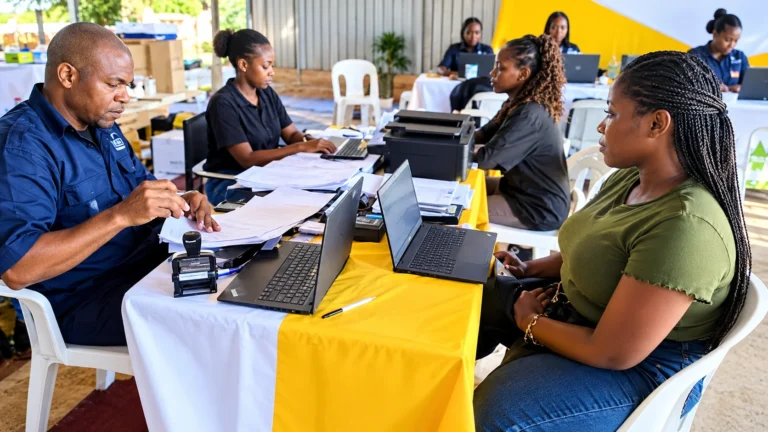
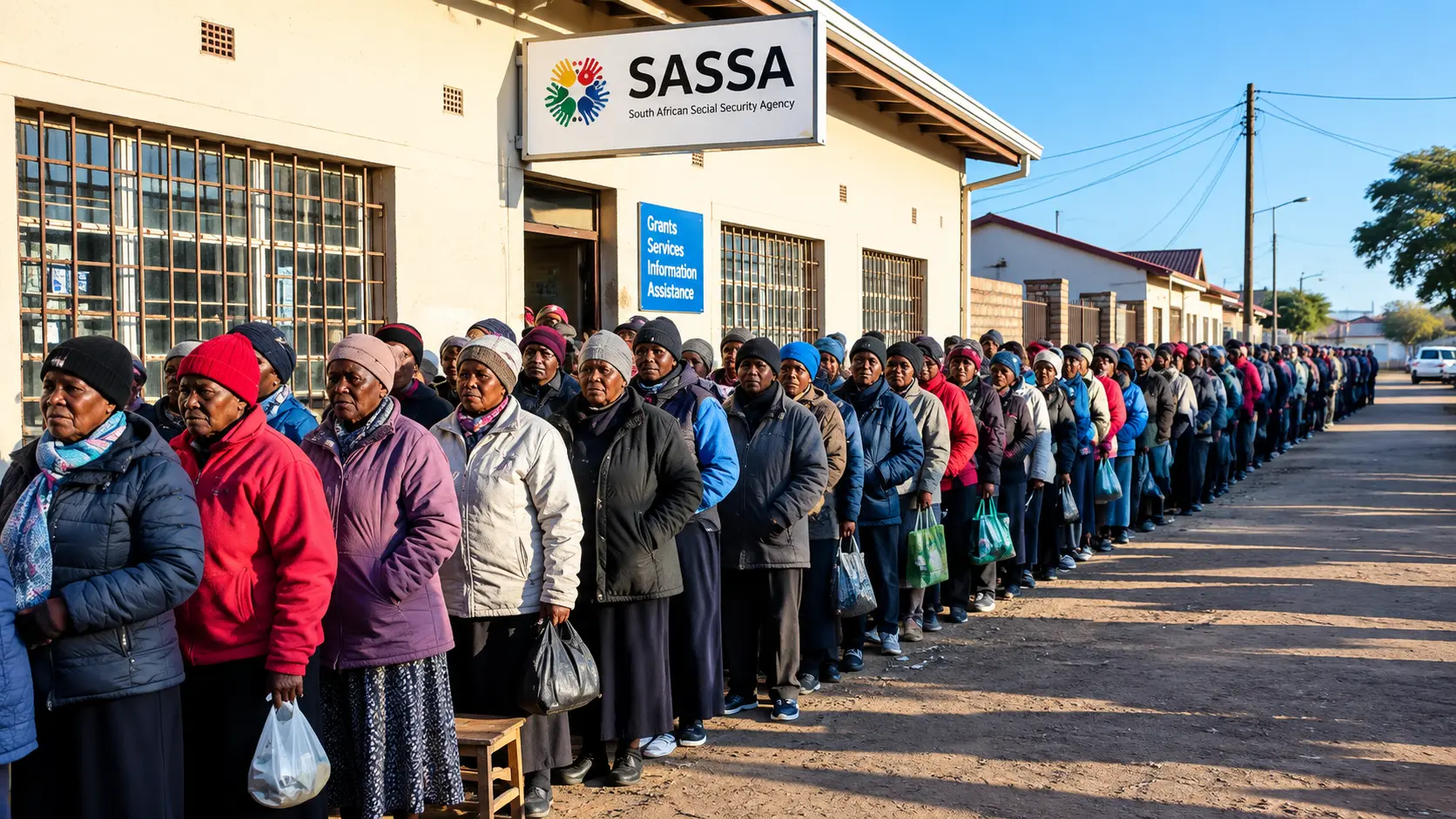
If your grant gets suspended, don’t panic straight away, but don’t ignore it either. Get to your nearest Sassa office as soon as you can. Waiting too long is what turns a temporary suspension into something more permanent.
A couple of small things can save you a lot of trouble. If you’re still using an old green bar coded ID book, it’s worth upgrading to a smart ID card. The older ID format carries more fraud risk, and that alone can slow down or complicate your review. It’s also just simple honesty, really, declare any income or extra bank accounts you have. Undisclosed income is one of the biggest reasons people get flagged in the first place.
To be fair to Sassa, this doesn’t seem to be about punishing anyone. It’s about protecting a system that millions of vulnerable people depend on. And by most accounts, a lot of beneficiaries have actually cooperated well with the process, which has made things a bit easier on both sides.
Looking Ahead
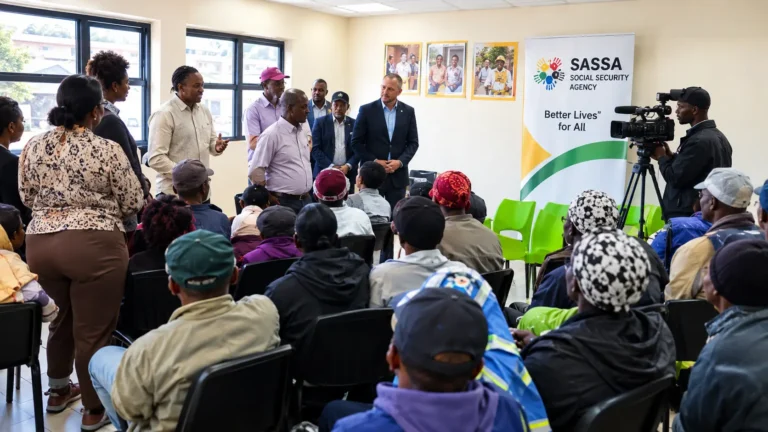
This isn’t over. Treasury’s conditions are still being rolled out step by step, so expect more reviews in the months ahead. Sassa spokesperson Paseka Letsatsi has said the agency is trying to balance this with what its local offices can actually handle, so don’t expect everything to happen overnight.
The advice for grant recipients stays pretty simple though. Respond quickly if Sassa contacts you. Keep your details up to date. And if anything about your income or situation has changed, say so. It’s an easy way to stay on the right side of this process instead of getting caught out by it.
You can find more official updates directly from Sassa or the National Treasury.
About the Author