The United States has sent a clear message to South Africans who want to join its special refugee programme. Showing interest is easy. Getting approved is not. American officials say each application is checked on its own, and some people will be turned down. For families who sold homes and planned a new life abroad, that is tough news. Here is a simple look at what we know so far.
What American officials have said
A spokesperson for US Citizenship and Immigration Services, Zach Kahler, confirmed that the programme is still running. He said every decision is made case by case. The aim, he explained, is to make sure each person meets the requirements in American law. That sounds simple. But it is not always easy to pass.
He added that people with public safety concerns or a criminal history have already been told they are ineligible. In simple terms, being on a list does not mean a ticket to America.
Reports also say that rejected applications cannot be appealed. That makes the outcome final. It is not an easy thing to hear.
Who the programme is meant for
The programme comes from an executive order signed by President Donald Trump. Reports say applicants must be South African nationals. They must also be Afrikaner or belong to a racial minority in the country. Washington argues that these groups face unfair treatment at home.
The rules look simple on paper. They are easy to read, yet not always easy to meet. Officials still look at each person’s background, paperwork and history. One gap in the paperwork can slow things down or end an application. There is no easy shortcut here.
If you want to understand how refugee applications work in general, the official USCIS refugee page is an easy place to start. It explains the basics in simple language.
The numbers behind the story
Interest has been huge. More than 67,000 people reportedly sent expressions of interest through a local chamber of commerce. That shows how many South Africans are at least thinking about leaving. It is easy to see why the topic has people talking.
Not everyone has made it. Former US army colonel Chris Wyatt estimates that between 500 and 1,000 Afrikaner applications have been rejected. This is an estimate and not an official count, so treat it with care.
The wider figures show how strongly the programme leans toward South Africans. State Department data reported by Briefly News shows that 10,255 South Africans were admitted as refugees this financial year. A year earlier the number was only 342. Meanwhile, access has tightened for people from countries such as Afghanistan and the Democratic Republic of Congo. The simple maths shows a huge shift.
More changes may be on the way. The Associated Press reported in September that the administration told Congress it plans to cap refugee admissions at 17,500, mostly white South Africans. A bigger cap may sound like good news. But it does not make approval easy, and it does not make approval automatic.
Why Pretoria is pushing back
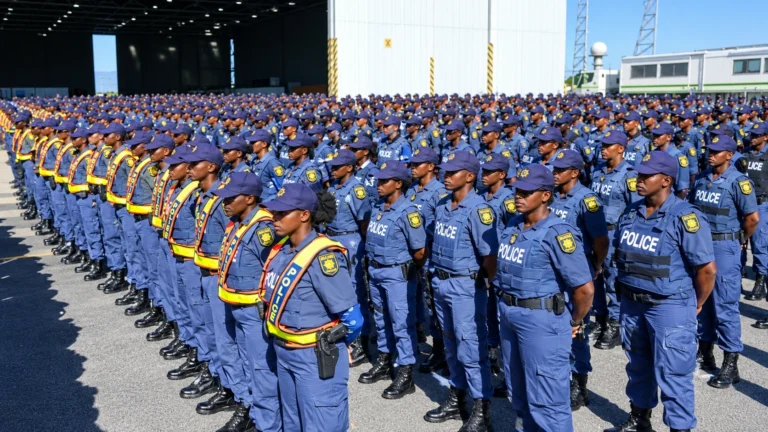
The South African government rejects the idea that Afrikaners are persecuted. International Relations Minister Ronald Lamola has said that, under the international definition, these people do not qualify as refugees. His message was simple. Crime affects everyone, no matter their race, and police statistics do not show racial targeting.
President Cyril Ramaphosa has made a similar point. A refugee, he said, is someone who must flee because of persecution. The Department of International Relations and Cooperation has also said the “white genocide” claim is widely discredited. It warned that the programme blurs the line between voluntary migration and refugee asylum.
Even so, Pretoria says it still values its relationship with Washington. For official statements, you can visit the DIRCO website. It is an easy way to follow government updates.
What this means for applicants
The simple lesson is to stay realistic. Reports describe Afrikaners who sold everything and were then denied. That is a serious warning. Big financial decisions should never rest on hope alone.
Here are a few easy habits that make sense for anyone applying. Keep your documents in order. Answer every question honestly. Rely on official channels for updates. Simple steps like these cannot guarantee approval, but they help you avoid easy mistakes.
It is also worth remembering that this story is still moving. Policies, caps and rules can change fast. What is true today may shift next month. Checking official sources before you act is the easy way to avoid confusion.
The bottom line
The US programme is open, but it is not a free pass. Officials say each case is judged on its own, some applications are rejected, and those decisions cannot be appealed. At the same time, South Africa says the whole idea behind the programme is flawed. The two sides are far apart, and families are caught in the middle.
For readers, the simple takeaway is this. Showing interest is easy. Approval is hard. Plan carefully, stay informed and do not rush into life changing choices.
About the Author