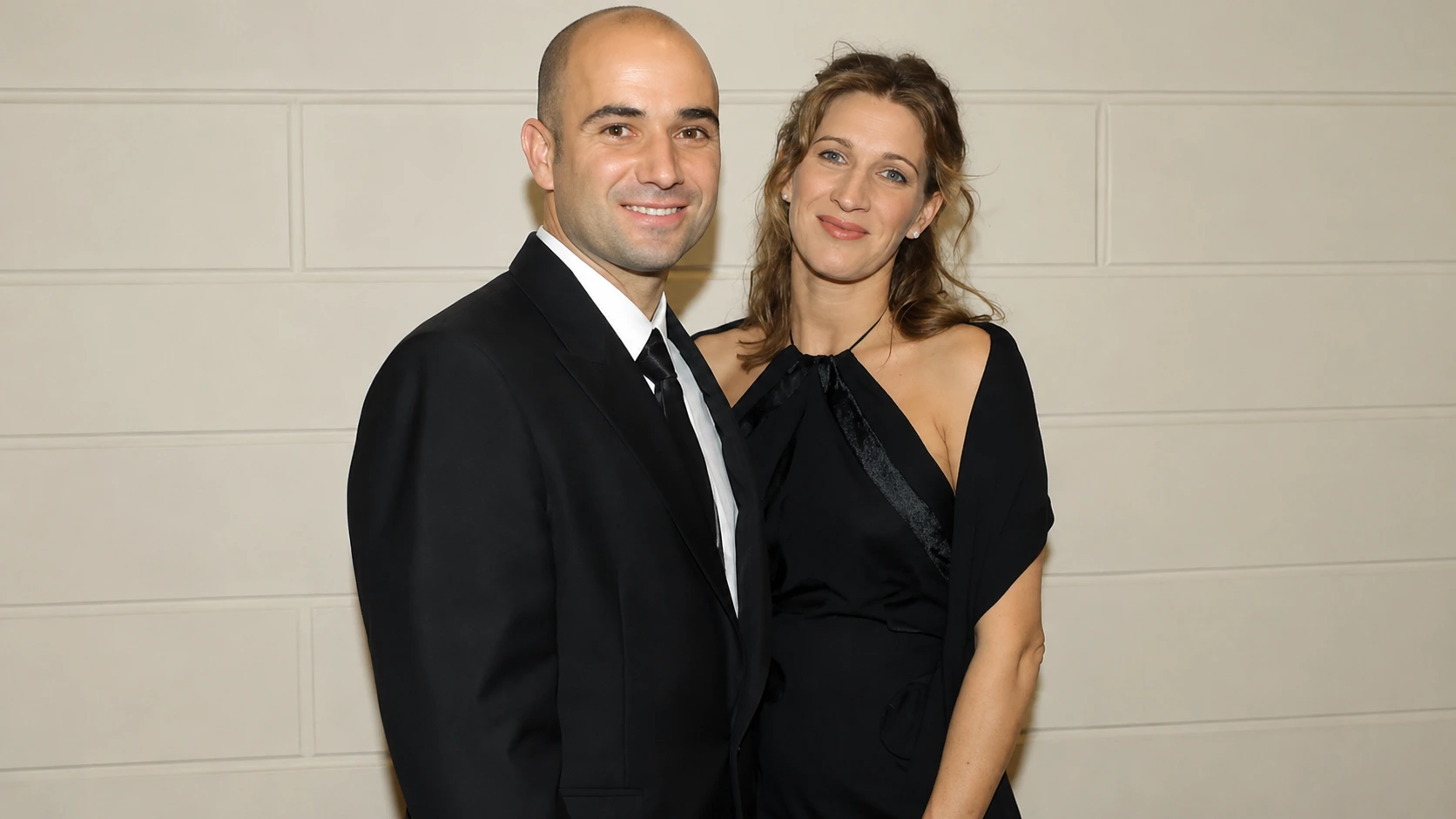
Think of two of the greatest tennis players ever, with a fortune to match, stuck with a house nobody would buy. That’s what happened to Andre Agassi and Steffi Graf. They paid $23 million for a big estate in Tiburon, California, and let it go for $20 million after years of waiting. The story is easy to follow, and it says a lot about how property really works.
What happened to the Tiburon estate?
Agassi and Graf bought the place in 2001, the year they got married. Tiburon is a rich little town in Marin County, perched above San Francisco Bay. The compound had a name too: Round Hill Estate.
Then came the waiting. Reports from the time say it took close to four years to find someone who’d pay. When a buyer finally showed up, the couple agreed to $20 million. That’s roughly $3 million less than they originally spent.
Honestly, it’s a surprise. You’d expect people like this to walk away with a profit every time. But houses don’t care about trophies. A home at this level needs exactly the right buyer, and that person can take a long time to appear.
The price cuts, step by step
They didn’t start cheap. The first asking price was $24.5 million, comfortably above what they paid. Buyers stayed away, so the number kept dropping.
About six months before the deal closed, Agassi brought it down to $21 million. Still no sale. The final price landed lower again.
This simple table shows the slide:
| Stage | Price |
|---|---|
| Price paid in 2001 | $23 million |
| First asking price | $24.5 million |
| Later asking price | $21 million |
| Final sale price | $20 million |
Look at it plainly and you’ll see what happened. They hoped to make money, then hoped to break even, and finally just wanted it gone. Most home sellers know that feeling, whatever size their house is.
What the mansion offered
This was not a normal family home. The estate covered around 13,000 square feet, with 11 bedrooms and 11 bathrooms. You also got a home theatre, two swimming pools, a tennis court (fitting, of course) and a helicopter landing pad.
Sounds amazing, right? But every extra feature shrinks the list of people who can afford it. Very few buyers have that kind of money. Even fewer want to look after so many rooms and facilities. That’s a big reason luxury homes sit around for so long.
Who bought the property?
The buyer was Stuart Peterson, who runs a hedge fund that backed YouTube early on. Agassi and Graf spent most of their time in Las Vegas, so Tiburon wasn’t really home for them. That probably made it easier to accept a lower offer.
The house has a bit of history too. McCaw Jr., the cellular phone businessman, owned it before Agassi. Back in the mid 1990s, Agassi had already fallen for the compound. His wife at the time, actress Brooke Shields, didn’t like it and talked him out of buying. Years later he got it anyway, this time with Graf at his side.
How did the sale compare with other luxury homes?
Here’s a twist. Even with the loss, this was a huge deal. A local real estate firm said the price might be the highest for any home sold in the Bay Area that year. So the house wasn’t a bargain. The real problem was how few people can shop at that price.
Other sales told a similar story. A home in Atherton was listed at $20.7 million and sold for $19.7 million. Two homes in San Francisco went for about $16.5 million each earlier that year. Two more properties above $20 million were waiting in Ross, another Marin County town.
So Agassi and Graf weren’t unlucky in some strange way. Sellers at the very top often end up taking a little less than they dreamed of.
Why this story matters to South African readers
Fair question. Why should anyone in Pretoria or Port Elizabeth care about a Californian mansion? Because the money lessons travel well. Let’s keep them simple.
1. Do not assume property always goes up
A lot of us grew up hearing that property is the safest bet. Often that’s true. But this sale proves it isn’t a promise. Location, timing and demand all play a part, and a house bought at a high price may never earn that money back.
2. Price the home properly from the start
The couple opened at $24.5 million and spent years chasing the market downward. All that time cost them. Starting with a realistic price usually brings a quicker sale. Selling in Johannesburg, Cape Town or Durban? Ask a trusted agent to show you recent sales nearby, in easy language, before you set a figure.
3. Think about running costs
Big homes with pools, courts and endless rooms swallow money. For rich owners, a place they rarely visit becomes a weight. For regular families it’s the same idea on a smaller scale. Rates, levies, security and repairs add up faster than most people expect.
4. Remember tax when you sell
Selling a property in South Africa may bring capital gains tax into play. SARS explains the basics on its capital gains tax page, and it’s worth a read before you sign anything. Rules can change, so check the latest version. A loss, like the one in this story, can affect your tax too, which is why good advice matters.
5. Watch the exchange rate for foreign deals
Some South Africans buy homes overseas. If that’s you, the rand exchange rate can change the real cost a great deal. The South African Reserve Bank publishes official information, and keeping an eye on it is an easy habit that can save serious money.
Are Agassi and Graf still in the headlines?
They are, though for happier reasons. Agassi won eight Grand Slam titles and an Olympic gold medal in 1996. Graf collected 22 Grand Slam titles and sits among the best players the sport has seen. They married in 2001, have two children, and stay connected to tennis and charity work.
One bad house sale hasn’t dented any of that. If anything, it makes them easier to relate to. Even champions get property wrong sometimes.
The simple summary
Agassi and Graf paid $23 million for their Tiburon mansion in 2001. They asked $24.5 million at first, cut the price several times, and sold for $20 million to hedge fund boss Stuart Peterson. It took almost four years and cost them $3 million.
The takeaway is easy. Luxury homes can be slow to sell, a big price tag doesn’t guarantee profit, and realistic pricing beats wishful thinking. Study the market, count the costs, and never treat property as a sure thing.
About the Author