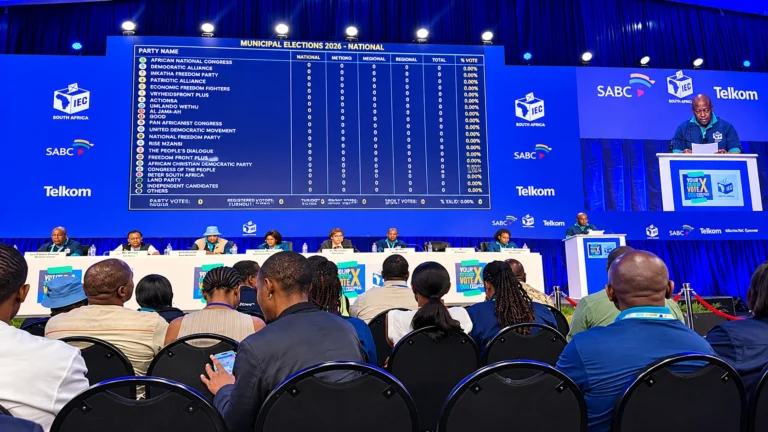
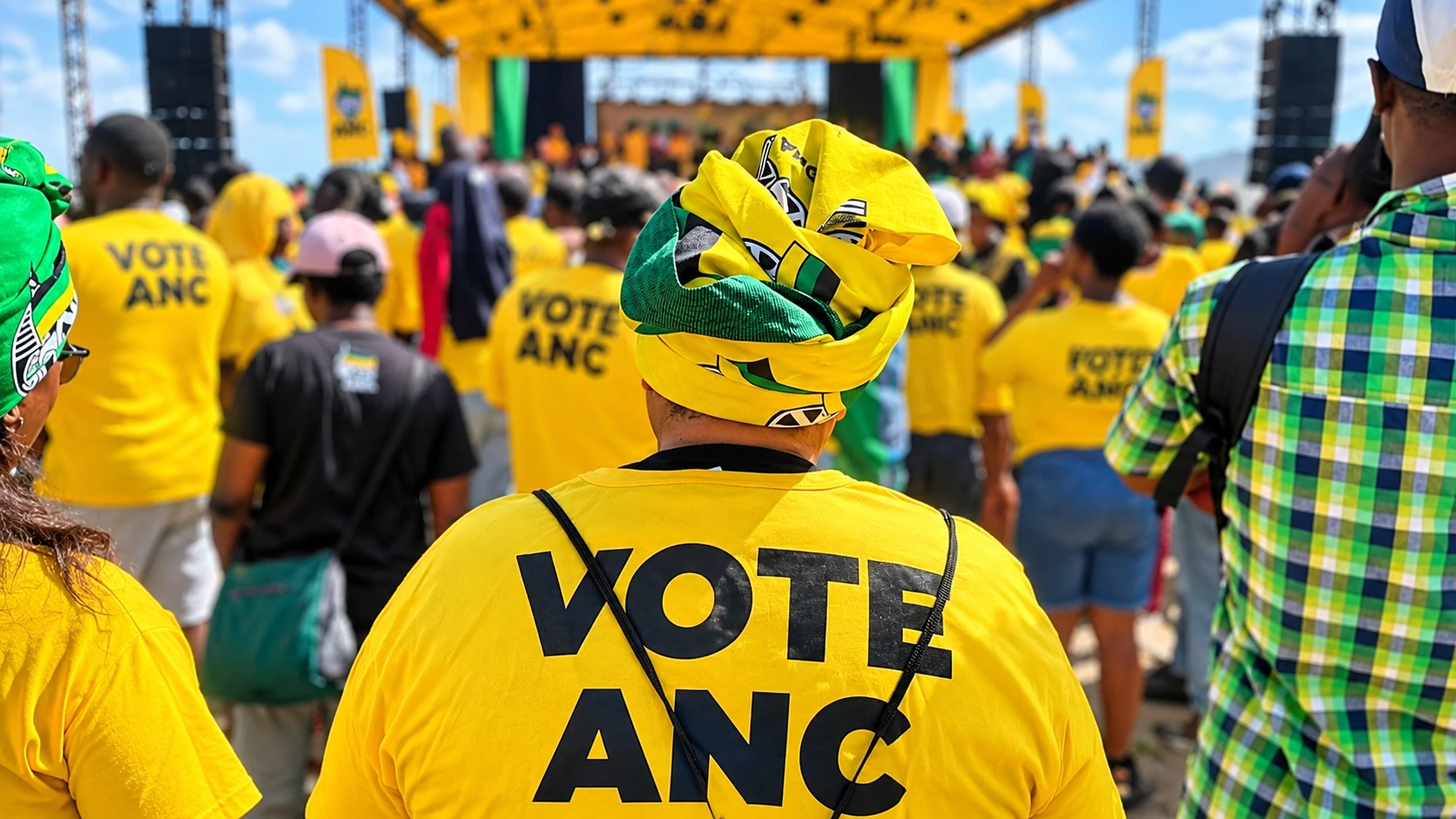
The ANC is still the biggest party in buffalo city, but its grip on the metro is weakening fast. With more than half of the votes counted, the party sits just under 40%. That is well short of what it needs to rule alone. The result points to one thing: coalition talks are coming, and they will not be easy. Here is a simple look at where things stand, who gained ground and what could happen next.
Where the votes stand
The count in the Eastern Cape metro is still under way, so the numbers will keep moving. At the time of reporting, the ANC had just under 40% of the vote and had already secured 10 council seats. The DA was in second place with about 20% and 5 seats so far.
The council has 100 seats, which means a party needs 51 to govern on its own. The ANC is nowhere near that line. It is easy to see why talk of deals between parties has started so early.
The picture also looked different at the start of the count. An early tally put the ANC at 45.3%, with the DA on 10.4% and the EFF on 6%. As more results came in, the ANC share slipped below 40%.
Here is a simple table of the main figures reported so far:
| Party | Share of the vote | Council seats secured so far |
|---|---|---|
| ANC | Just under 40% | 10 |
| DA | About 20% | 5 |
| UDM | About 17% | 2 |
These figures were still changing while counting continued.
A big fall for the ANC
The size of the drop matters. The ANC has long been very strong in buffalo city. In the 2011 local elections, the party won around 70% of the vote in the metro. Analysts also saw it as the one big metro where the ANC still had a real chance of staying close to 50%.
Instead, the party now looks set to finish below 40%. It will likely remain the largest party, but being the biggest is not the same as being in charge. Without a majority, the ANC will need partners to elect a mayor and pass key decisions.
The UDM makes a strong move
One of the biggest stories is the rise of the United Democratic Movement. The UDM is currently the third biggest party in the metro with about 17% of the vote. It already has two council seats.
That is a big jump from 2021. Back then, the party managed only one seat from the proportional list and did not win a single ward. Its campaign now seems to be paying off with voters.
Local media later reported that the UDM had won four ward seats. That suggests its support is not just a one off in a few areas. It is worth checking the final numbers once the count is complete.
The SACP wins its first ward
Another surprise came from the South African Communist Party. The SACP decided to contest this election on its own, and it has already won a ward in the metro. This was its first attempt.
Provincial spokesperson Xolani Malamlela said the party would not let its voters down. He said the SACP would stick to its manifesto and make service delivery its main focus. For many residents, that is the issue that matters most. Reliable water, working roads and well run services are what people want from any council.
What a coalition could look like
When no party wins more than half of the seats, the council is called a hung council. In that case, parties must team up to choose a mayor and run the metro. The idea is simple, but the talks are rarely easy. Each party has its own demands, and they often want key posts in return for support.
At this stage, nothing has been signed. The SACP and the UDM have both said they have not ruled out joining a coalition. They want to work with parties that share their values, which keeps their options open. ActionSA has also signalled that it is open to coalition talks in the Eastern Cape.
Buffalo City is not alone in facing this challenge. Across the country, hung councils were already piling up as results came in. One report put the number at 13 by Thursday afternoon. That tells us this is a wider trend, not just a local story.
Why this matters to residents
A coalition can be good or bad for ordinary people, depending on how it works. When parties agree on clear plans, a coalition can run a city well. When they fight over positions, decisions can be delayed. Residents will want to see whether the new leaders can keep services running while the politics settles.
There are a few simple things that residents of buffalo city can do while they wait:
- Follow the final results on the Electoral Commission of South Africa website, which is the official source for election data: elections.org.za.
- Keep an eye on announcements from the Buffalo City Metropolitan Municipality about services and council business: buffalocity.gov.za.
- Watch which parties start formal talks, since that will shape who becomes mayor.
It is also easy to get lost in early numbers, so patience helps. Counting is not finished, and small shifts can change seat totals. The final tally will give a clearer view of which parties hold the balance of power.
What happens next
In the coming days, the focus will move from counting votes to negotiations. The ANC will want to protect its position as the biggest party. The DA, with about a fifth of the vote, will want a say in how the metro is run. The UDM, riding its strong showing, may now be a key player. The SACP, with its first ward win, will also want to be heard.
No single party looks able to dictate terms. That could make the talks slower, but it could also push parties to agree on a shared plan. The simple truth is that the voters have sent a message. They did not give any party a clear mandate, so the parties must now work together.
For now, the ANC remains the largest party in buffalo city, but it has lost its comfortable lead. How the new council is formed will decide who runs the metro for the next five years. Residents will be watching closely, and the real test will be whether the next council can put service delivery first.
About the Author