Geely has just shown off a new hybrid system called i HEV, and the company believes it can give gasoline cars a fresh lease on life. The announcement came out of Hangzhou on 6 November 2026. The pitch is pretty simple: burn less fuel, drive smoother, and never plug anything in. If you’re a South African driver watching every rand at the pump, that’s easy to like.
What Geely has announced
The i HEV is a full hybrid. Under the bonnet you get a gasoline engine, electric motors, a battery that can push out power fast, and a lot of clever software. Geely says it’s chasing better fuel economy, stronger performance, safer driving and solid reliability.
Geely also points out that this space has been dominated by Toyota’s hybrid systems for years. So yes, it’s taking a swing at a big name. Whether it lands the punch is something drivers will decide later.
Here’s what makes full hybrids easy to live with. You fill up at a normal station. You drive the way you always have. The car sorts out the rest by itself. No cable, no charging habit to build. For most people it’s a simple switch.
How a full hybrid differs from an electric car
People often mix these two up, so let’s keep it simple. A fully electric car runs on a battery and has to be charged. A full hybrid carries both an engine and a battery, and it doesn’t need an outside charger.
That gives you an easy middle road. You still get the long range and quick refuelling of a gasoline car, plus a share of the savings that electric driving brings. It won’t suit everyone, but for plenty of drivers it’s a fair trade.
Key figures at a glance
Geely has shared quite a few numbers. They all come from the company, so see them as manufacturer claims for now. This simple table makes them easy to scan.
| Feature | What Geely says |
|---|---|
| Engine peak thermal efficiency | 48.41%, the highest among engines in mass production |
| Fuel use in test | 2.22 L/100 km combined in the Geely Emgrand i HEV |
| Record | A Guinness World Records title for that result |
| Electric motor output | Up to 230 kW |
| Electric drive share | More than 80% of driving time under WLTC test cycles |
| Pure electric speed | Up to 66 km/h |
| Power response time | 10 milliseconds |
| AI energy gain | More than 10% better overall vehicle energy efficiency |
Why engine efficiency matters
Thermal efficiency tells you how much of the fuel’s energy actually turns into power. The rest escapes as heat. So a higher number means less waste. Geely says its engine hits a peak of 48.41%, which it claims is the best among engines now in mass production.
Why should you care? Because that’s a simple way to explain lower fuel use. Fewer litres burned means a lighter bill at the pump. If you often drive between towns, those savings can pile up fast, and you’d notice it at month end.
In Geely’s own fuel economy test, the Geely Emgrand i HEV managed combined fuel consumption of 2.22 L/100 km. That earned a Guinness World Records title.
A small warning, though. Test numbers and daily driving are never the same thing. Traffic, load, speed and your right foot all change the result. It’s an easy mistake to expect that exact figure on every trip.
Electric power takes the lead
The engine and the electric motors can work on their own, independently of each other. When conditions allow, electric propulsion takes charge. The system supports electric motor output of up to 230 kW.
Geely says electric drive covers more than 80% of driving time under WLTC test cycles. That’s a standard lab test used to compare fuel use. The system can also run on pure electric power at speeds up to 66 km/h, and the power response time is 10 milliseconds. That’s a tiny fraction of a second.
In everyday terms, the car should feel quick and smooth when you press the pedal. In stop start traffic, a hybrid usually gets more chances to lean on its electric side. Picture your morning crawl on the highway and it’s easy to see where that helps.
AI that balances the power
An AI energy management platform keeps adjusting the mix of engine and electric power depending on how you’re driving. Geely says this improves overall vehicle energy efficiency by more than 10%. The system also supports intelligent cockpit features and driver assistance.
You don’t have to choose anything. The software decides for you, so the experience stays simple. It’s an easy way to get hybrid benefits without needing to understand how it all works.
Backup power for peace of mind
Geely says the system has a patented power redundancy safety design. The engine, the P1 motor and the P3 motor can all run independently. If one power source drops out, the vehicle can keep operating.
Put simply, if one part has a problem, the others can still step in. Geely sells this as a resilience feature. What it hasn’t said is how far or how long a car could carry on like that, so we’ll have to wait for those details.
Which models will get i HEV
Geely is rolling the technology out across several production models. The list includes the Preface L Plus, the Xingyue L and the Boyue L.
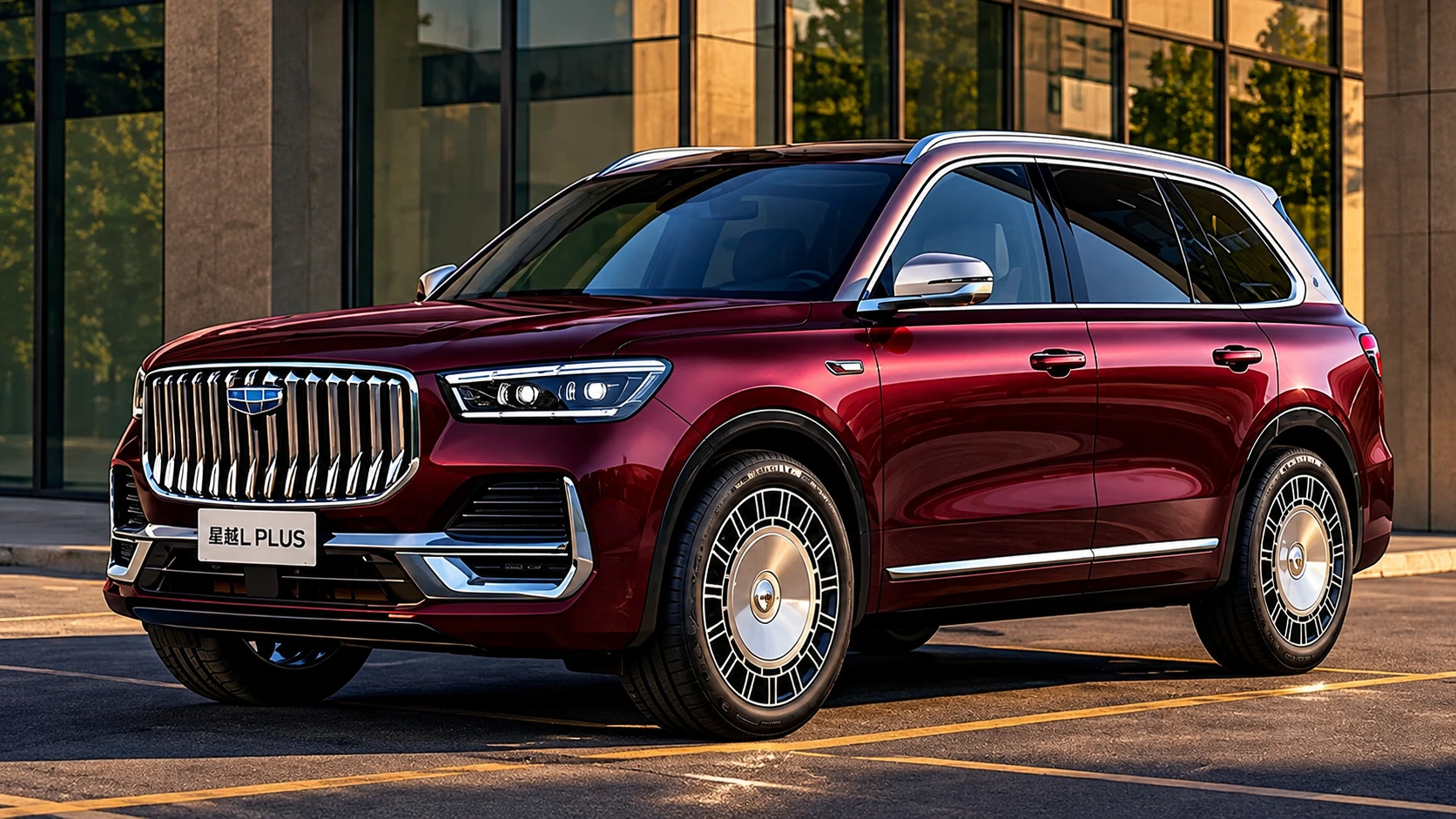
The upcoming Xingyue L PLUS will be the first to carry the 2.0TD i HEV system. It combines an engine with a maximum output of 160 kW and a 230 kW P3 electric motor.
Geely plans to bring i HEV models to global markets step by step. But the announcement doesn’t mention South Africa, and there are no local dates or prices. So nothing is confirmed for us yet. Best to keep your expectations simple until Geely says more.
What it could mean for South African drivers
Geely’s announcement says hybrids give a practical way to cut fuel use in places where charging is limited and running costs matter. That sounds a lot like the worries many South Africans have. Public charging is still growing, and power cuts make home charging a headache for some households.
A full hybrid skips that problem because there’s no plug at all. For drivers who want to save without changing their habits, it’s an easy fit. Still, it isn’t an easy choice for everyone. Some buyers will lean towards a plug in hybrid or a fully electric car instead.
Fuel prices matter too. They change regularly in South Africa, and the official South African government portal is a good place to look for public information. A car that uses less gasoline is simpler to budget for. When money is tight, that’s an easy win.
What to check before you buy
If Geely i HEV models do arrive here, a few simple checks will help you. Ask about the local price, warranty cover, the service network and how easy it is to get parts. Look for independent fuel tests done on South African roads. And compare the full cost of owning the car, not just the sticker price. Those easy steps can save you a lot of trouble later.
You can also follow the company’s own updates on the Geely Auto Group website.
The bottom line
Geely’s i HEV system is a serious attempt to make gasoline cars cleaner, quicker and cheaper to run. The numbers look strong on paper, but remember they come from Geely itself. The simple test is how these cars behave on real roads, with real traffic and real drivers.
If Geely brings i HEV models to South Africa, buyers will want clear prices and proper backup. Until then, this is one to keep an eye on. It shows that a hybrid can be an easy, simple step towards lower fuel bills, and you wouldn’t have to change how you drive.
About the Author