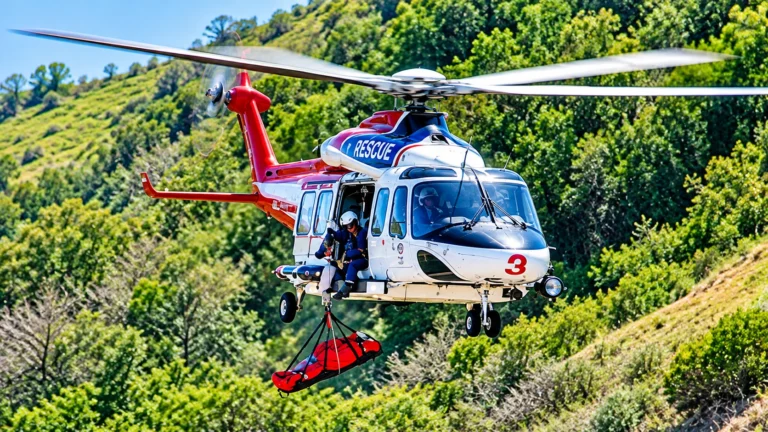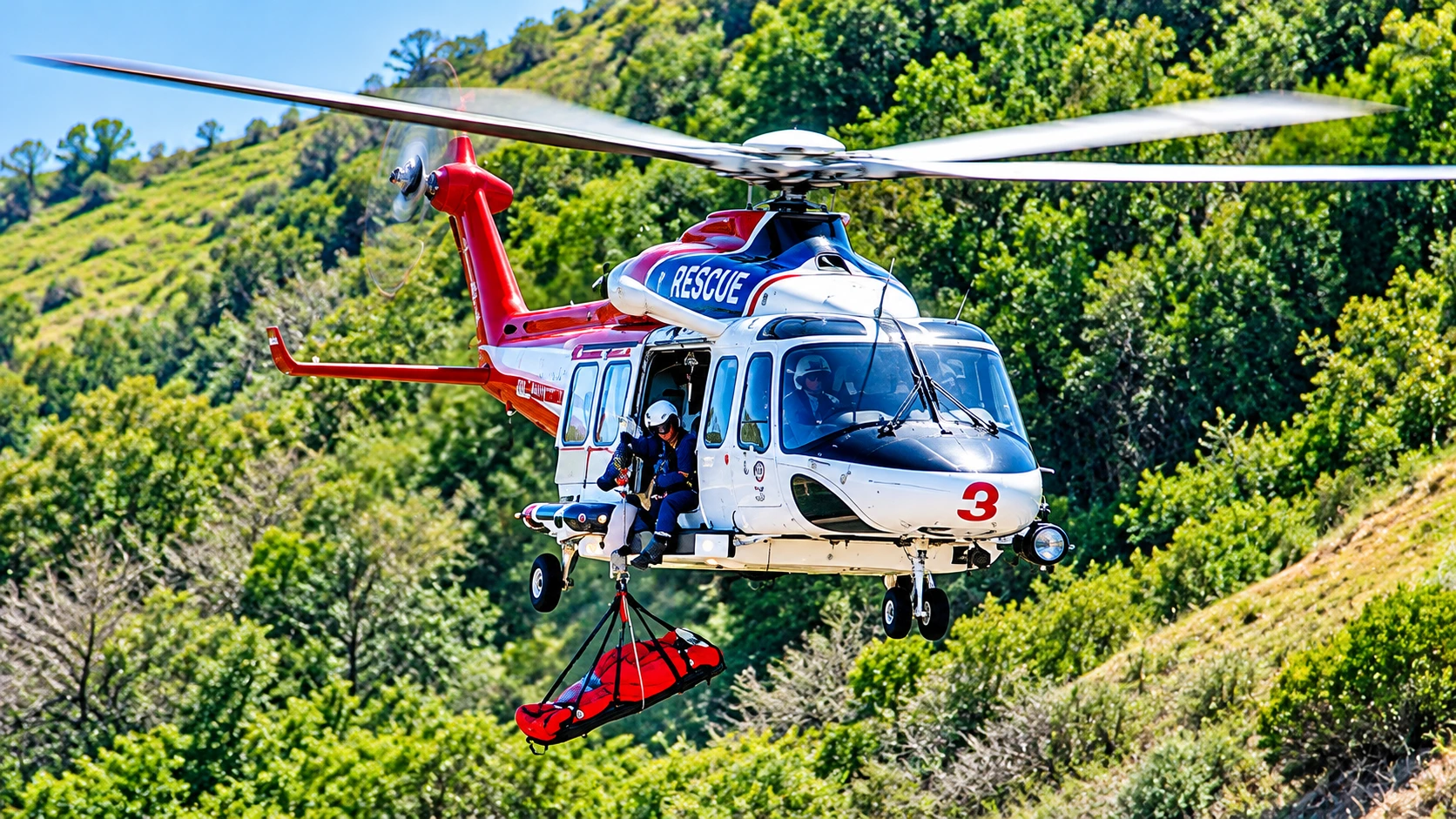
A hiker needed urgent help on Friday in Pacific Palisades, a hillside area of Los Angeles. Firefighters carried out a rescue after the man reported a medical problem. He was lifted into a helicopter and flown to a hospital.
The story is short, but it holds a useful lesson for anyone who loves the outdoors. Here is what is known, and what it means for hikers at home.
What Happened on Friday
According to the Los Angeles Fire Department, crews were called to the 18100 block of West Mulholland Drive at around 4:50 p.m. on Friday. The call was about a hiker who had complained of medical complications.
Firefighters arrived and began a rescue operation. The man was then hoisted into a helicopter. The aircraft took him to a hospital, where he was to be evaluated by doctors.
That is all the fire department has made public so far. It did not say what kind of medical problem the man had. It also did not give his name, his age or his condition. It did not say how long he had been on the trail before he asked for help.
We will not guess at any of that. Until officials share more, those details stay unknown.
Why a Helicopter Was Used
A helicopter rescue may sound dramatic, but it is often the simple and safe choice in rugged terrain. Trails in hilly areas can be narrow, steep and far from the nearest road. Carrying a patient out on foot can take a long time. It can also be risky for both the patient and the rescuers.
An air lift can cut that time sharply. It is a fast way to get a person from a remote spot to a hospital. For a person with a medical problem, saving time can matter a great deal.
Officials did not explain why the helicopter was chosen in this case. Still, it is a common method for trail emergencies in places like the hills of Los Angeles.
A Quick Look at the Facts
The table below sets out what has been confirmed.
| Detail | What is known |
|---|---|
| Who | A male hiker |
| Where | 18100 block of West Mulholland Drive, Pacific Palisades |
| When | Around 4:50 p.m. on Friday |
| Responding agency | Los Angeles Fire Department |
| Method | Hoisted into a helicopter |
| Outcome | Taken to a hospital for evaluation |
| Medical details | Not released |
What South African Hikers Can Learn
South Africa has some of the best trails in the world. Table Mountain, the Drakensberg, the Magaliesberg and the Garden Route all draw thousands of walkers every year. Mountain rescue teams here also get busy, especially in summer holidays and long weekends.
You may never face an emergency like the one in Pacific Palisades. But a few easy habits can make a big difference if something goes wrong. These are general safety tips, not details from the Los Angeles case.
Tell Someone Your Plan
This is the most simple step of all. Before you leave, tell a friend or family member where you are going. Share your route and your expected return time. If you do not come back on time, they will know where to start looking.
Carry Water and Snacks
Dehydration and low energy can turn a small problem into a big one. Pack more water than you think you need. A few snacks are an easy way to keep your strength up on longer walks.
Check the Weather and Daylight
Weather can change fast on a mountain. Look at the forecast before you set off. Also check when the sun goes down. Many hikers get into trouble because they start too late and run out of daylight.
Keep Your Phone Charged
Your phone is your main link to help. Fully charge it before you leave. Switch on battery saver mode on the trail. A small power bank is an easy item to pack and can be a lifesaver.
Know Your Limits
A trail that looks short can be harder than it seems. Heat, steep climbs and rough ground all add up. If you feel unwell, dizzy or very tired, stop. It is better to rest or turn back than to push on.
How to Call for Help in South Africa
If you or someone you are with is in trouble on a trail, call for help early. Waiting often makes things worse.
In South Africa, you can dial 112 from a cell phone to reach emergency services. For an ambulance from a landline, the number is 10177. When you call, stay calm and give a clear description of where you are. Say what has happened and how many people are with you.
A simple tip is to note landmarks as you walk. A bridge, a big rock, a signpost or a trail marker can help rescuers find you much faster. Many smartphones can also share your exact GPS location. Learn how to do this before you need it.
For park rules, trail updates and safety notices, you can visit the official SANParks website. It is an easy place to check conditions before you plan a trip to a national park.
Why Quick Action Matters
One clear point comes out of the Pacific Palisades story. The hiker received help, and the rescue crew got him to hospital. Fast action from emergency teams is a big reason such events can end well.
Still, a rescue should be the last line of defence, not the first. The best outcome is one where a walker prepares well, stays aware of their body and asks for help in good time.
If you want to see how a large fire department describes its rescue work, you can read about it on the official Los Angeles Fire Department website. It gives a simple picture of how crews train for trail and mountain emergencies.
What Happens Next
At this stage, the public does not know how the man is doing. The fire department has not shared an update on his health. If more information comes out, it will likely come from officials or the hospital.
For now, the main facts are clear and simple. A hiker had a medical problem near West Mulholland Drive on Friday afternoon. Firefighters responded, lifted him by helicopter and took him to hospital.
Final Thoughts
Stories like this are a reminder that anyone can have a health scare on a trail. Fit people and first time walkers alike can run into trouble. The good news is that a little planning is easy and can go a long way.
Tell someone where you are going. Carry water. Keep your phone charged. Know the emergency numbers. And if you feel unwell, speak up and call for help early.
Enjoy the outdoors, but walk smart. A good rescue team is a comfort to have, yet the best hike is the one where you never need them.
About the Author