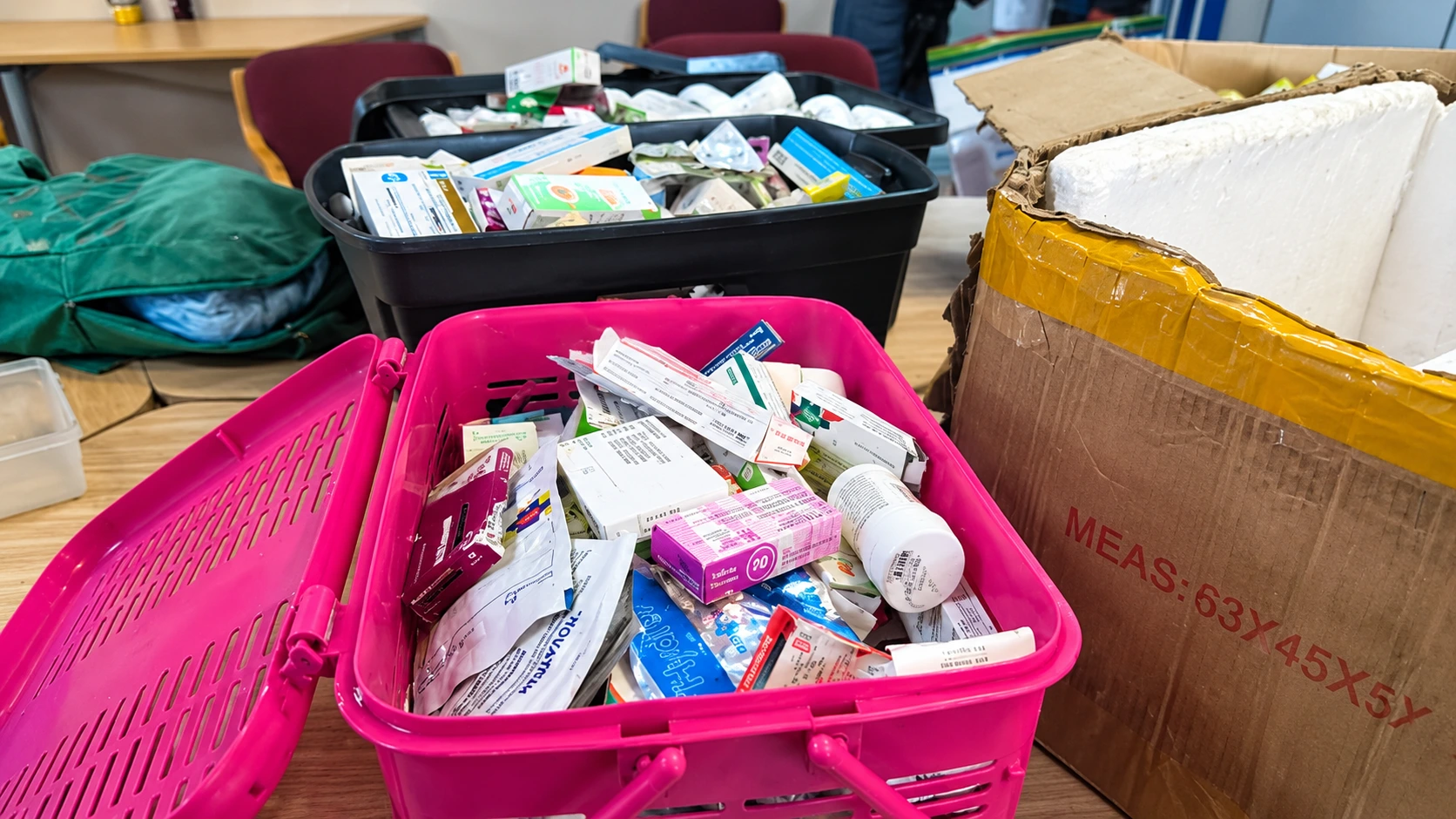
A man has been arrested in the Western Cape for selling medicine out of boxes on the street, and some of it was already past its expiry date. It happened at the Nyanga Junction Transportation Hub on the Cape Flats.
Police are using the case to send a message. Buying tablets from a table in a busy public place can feel easy, quick and cheap. The risk, though, is anything but simple. A street vendor selling expired medication could harm your health, and in the worst case, take your life.
What happened at Nyanga Junction
Western Cape police say officers spotted a man selling medicine from boxes at the transport hub. It’s the kind of place where plenty of commuters walk past every day, so a seller there can reach a lot of people fast.
Police spokesperson FC Van Wyk said officers took a closer look at what was on offer. Some of the medicine had expired. According to Van Wyk, that creates a huge health risk and could be fatal if someone swallows it.
The man was arrested. When police questioned him, he couldn’t say where he got the medication. That part matters more than it might seem. If nobody knows the source, nobody can say how the medicine was made, stored or handled before it landed in a box on the street.
Another report on the arrest says the man is 38 years old and was found by members of Operation Prosper during patrols. The reports do not name him.
What happens next
He is due to appear in the Athlone Magistrates Court once he has been formally charged. The charge is contravening the Medicines Act.
For now, he remains a suspect, and the court will decide what happens. What police have said so far is fairly simple. A man was selling medicine in a public place, some of it was expired, and he couldn’t explain where it came from.
Why expired medicine is dangerous
Every medicine carries an expiry date from its maker. After that date, the maker can no longer promise it’s safe or that it will work the way it should.
What does that mean for you? A few things can go wrong. The medicine may have lost its strength, so it won’t treat the illness properly. Someone could think they’re getting better while the problem quietly gets worse. In some cases, the product may have changed enough to cause harm.
Storage is another worry. Medicine sitting in open boxes, exposed to heat, damp and dust, can spoil. A pharmacy keeps its stock in a controlled environment. A box on the street can’t promise that.
The South African Health Products Regulatory Authority (SAHPRA) has warned before that medicine from unauthorised sellers may be fake, stolen, contaminated or harmful. You can read more about what the authority does on the SAHPRA website.
What police are asking the public to do
Police want people to stop buying medicine from unregistered individuals and premises. They’d rather you went to a pharmacy or an authorised supplier, where trained staff work with proper records.
It’s easy advice to follow once you understand the reason behind it. A pharmacist can tell you what a medicine is for, how to take it and what to avoid mixing it with. A street seller won’t do that, and if something goes wrong, you have no one to turn to.
Simple ways to stay safe
You don’t need special knowledge to protect yourself. A few simple habits go a long way.
- Buy from a registered pharmacy or health facility. No shop, no licence and no pharmacist should be a red flag.
- Check the expiry date every time. Look at the box, and at the strip or bottle inside. It takes seconds.
- Look closely at the packaging. Dirty, damaged or opened boxes are a bad sign.
- Ask questions. A real pharmacist will gladly explain what you’re buying.
- Be wary of prices that look too good. They usually are.
- Clean out your home medicine cupboard. Old tablets and syrups shouldn’t sit there for years. Ask your local pharmacy how to dispose of them safely.
Why people may be tempted
Most families count every rand. When a child or a parent is sick, a cheap and quick option can look like a good deal. That’s easy to understand.
But medicine that doesn’t work, or makes things worse, can end up costing much more than a proper visit to a pharmacy or clinic. If money is tight, public clinics and hospitals are there to help. You can also ask a pharmacist whether a cheaper generic medicine is available. It’s a simple question, and it costs nothing.
A bigger problem than one arrest
This isn’t the only case in the news. SABC News has also reported that SAHPRA seized containers from Mozambique carrying illegal medicines worth about R5 million. That report was separate, and it isn’t linked to the Nyanga Junction arrest.
For general guidance on using medicine safely, the Department of Health has public information on its official website. It’s a good place to start, and the information is easy to read.
What to do if you already bought medicine from a street seller
Don’t panic if you’ve done this. Just take a few simple steps.
- Stop using it until someone qualified has looked at it.
- Keep the packaging. It helps a pharmacist or doctor work out what you took.
- Speak to a pharmacist or doctor about whether it’s safe to continue.
- Go to the nearest clinic or hospital if you feel unwell. Don’t wait it out.
- Report the seller to SAHPRA or your local police station.
Reporting matters. In a busy area like Nyanga, one tip could keep a lot of people from getting hurt.
The bottom line
The arrest at Nyanga Junction shows how risky the street trade in medicine can be. A street vendor selling expired medication might look like a harmless shortcut, but it can cost someone their health.
Police have kept their message short. Buy medicine only from pharmacies and authorised suppliers. Check the date. Ask questions. Report anything that looks wrong.
The suspect will have his day in the Athlone Magistrates Court. Until then, the best thing any of us can do is a simple one: get your medicine from places you can trust. It’s an easy choice, and it might save a life.
About the Author