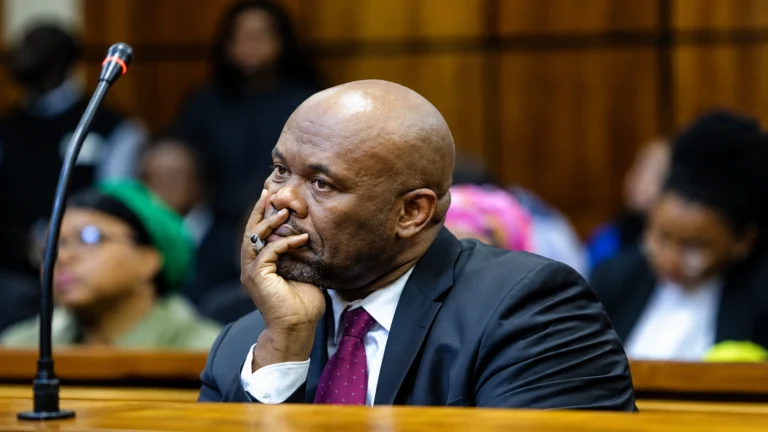
Two Home Affairs officials have appeared in the Protea Magistrate’s Court in a case linked to passport fraud. Authorities allege that foreign nationals paid up to R100,000 for South African passports they had no right to hold. The story is simple to follow, but the claims are serious because they go to the heart of how the country protects its identity system.
What happened in court
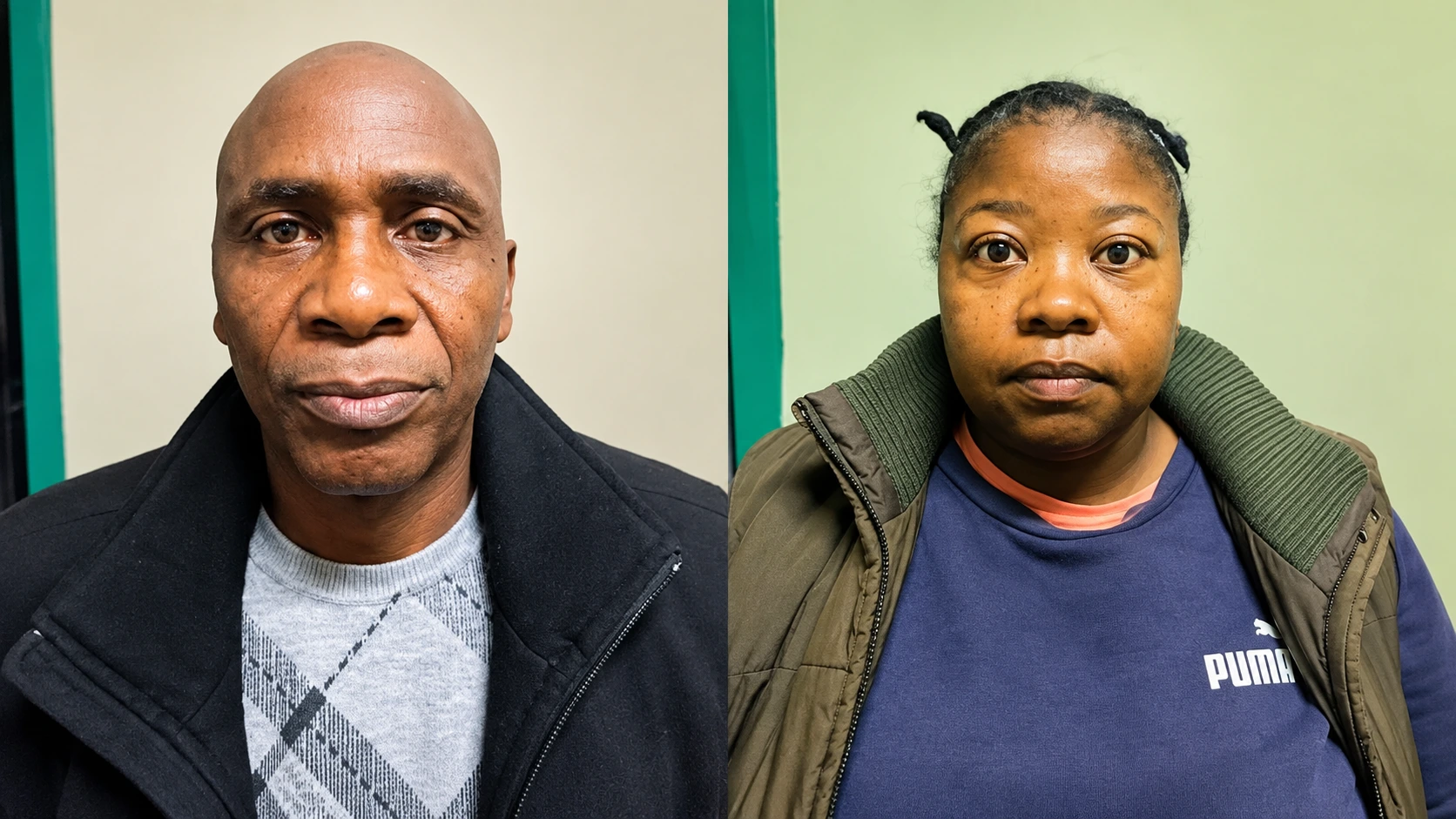
Aluwani Andries Netshidaulu and Nthombifuthi Phyllis Mokwebo were arrested during a takedown operation carried out under Project Humulani. The project targets an alleged criminal syndicate behind passport fraud.
Both officials face charges of racketeering, corruption, fraud and contravening the Immigration Act. These are allegations only. Nothing has been proven, and every accused person is presumed innocent until a court decides otherwise.
Each official was released on R5,000 bail, and the State did not oppose it. The matter was postponed to November 4, 2026.
Another accused, Arfan Ahmad, also appeared in court alongside the two officials. He is a Pakistani national. The National Prosecuting Authority (NPA) says he allegedly kept a corrupt relationship with Home Affairs officials. It also says he was convicted before and is now serving a prison sentence of 14 years. The postponement gives him time to find a lawyer. It also allows investigators to continue their work.
How the alleged scheme worked
According to NPA regional spokesperson Magaboke Mohlatlole, investigators uncovered a scheme built on stolen or lent identities. In simple terms, the personal details of real South Africans were allegedly matched with photographs of foreign nationals. The end result was a South African passport in the hands of someone who was not entitled to it.
Investigators also set out who allegedly got paid and how much. The table below makes the numbers easy to compare.
| Who | Alleged amount |
|---|---|
| Foreign nationals (paid for the passport) | R50,000 to R100,000 |
| Home Affairs officials (per application) | R10,000 to R15,000 |
| South African citizens (who supplied their details) | R500 |
The gap is hard to miss. The citizens who allegedly supplied their identity details received the smallest payment. Yet their details were the key that made the passport fraud possible.
What the charges mean
The charges sound heavy, so here is a simple explanation of each one.
- Racketeering refers to involvement in organised and repeated criminal activity.
- Corruption means misusing a public position for personal gain.
- Fraud means deliberately deceiving others to gain something unlawfully.
- The Immigration Act governs who may enter, live in and hold documents in South Africa.
Whether the accused are guilty is for the court to decide. The State will have to prove each charge.
Project Humulani and what it has achieved
The NPA describes Project Humulani as a long running investigation. It involves an alleged syndicate of foreign nationals, Home Affairs officials and South African citizens.
So far, investigators have seized luxury vehicles. They have also blocked and cancelled several hundred passports believed to have been obtained fraudulently. Cancelling them is a simple but important step, because it is meant to stop those documents from being used.
The NPA says the investigation is ongoing. More arrests are expected as authorities pursue other people allegedly linked to the syndicate.
Why passport fraud matters to South Africans
A South African passport is more than a travel booklet. It is proof of citizenship and identity. Every fraudulent passport weakens trust in the system that ordinary people rely on for legal travel and identification. It also raises questions about controls inside Home Affairs, which is why cases like this are watched closely.
There is another worrying detail. The NPA says some South Africans were allegedly paid R500 for their personal details. That is a small sum for something so valuable. It may look like easy money, but handing over your identity can expose you to serious legal trouble and lasting harm.
Simple ways to protect your identity
You cannot control what a corrupt person does, but you can lower your own risk. These steps are simple and easy to follow:
- Never sell or lend your ID details. No amount of cash is worth the risk.
- Use official channels only. Apply for documents at Home Affairs offices or through the department’s official website, dha.gov.za.
- Keep copies of your ID safe. Do not send them to strangers, even if the request sounds friendly.
- Be wary of shortcuts. Anyone who promises to fast track a passport for a fee is a red flag. A genuine process is clear and simple to understand.
- Report suspicious offers. Tell the police if someone tries to buy your details or sell you a document outside the normal process.
You can learn more about how prosecutions like this one work on the website of the National Prosecuting Authority.
What happens next
The case returns to the Protea Magistrate’s Court on November 4, 2026. By then, Ahmad is expected to have arranged legal representation. Investigators may also have more to share after further work on the case. Readers can follow updates from the NPA and Home Affairs as the matter develops.
For now, the facts are simple. Two officials are accused, the case has been postponed, and the investigation continues. The court will decide what is proven. Until then, the best defence against passport fraud is to guard your personal details and use only official channels. That is an easy rule to remember.
About the Author