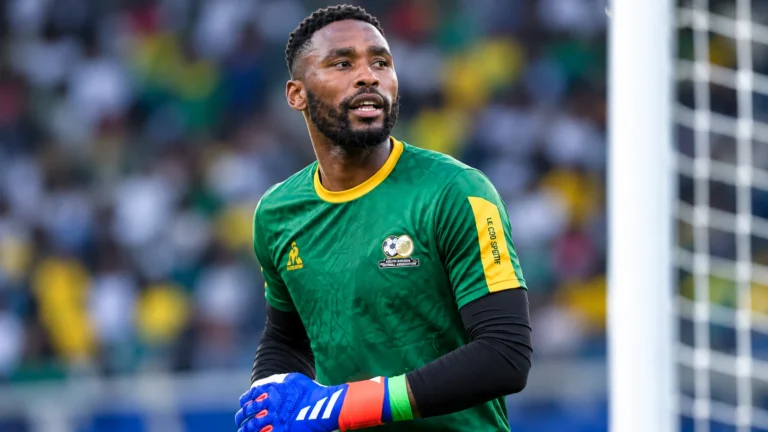
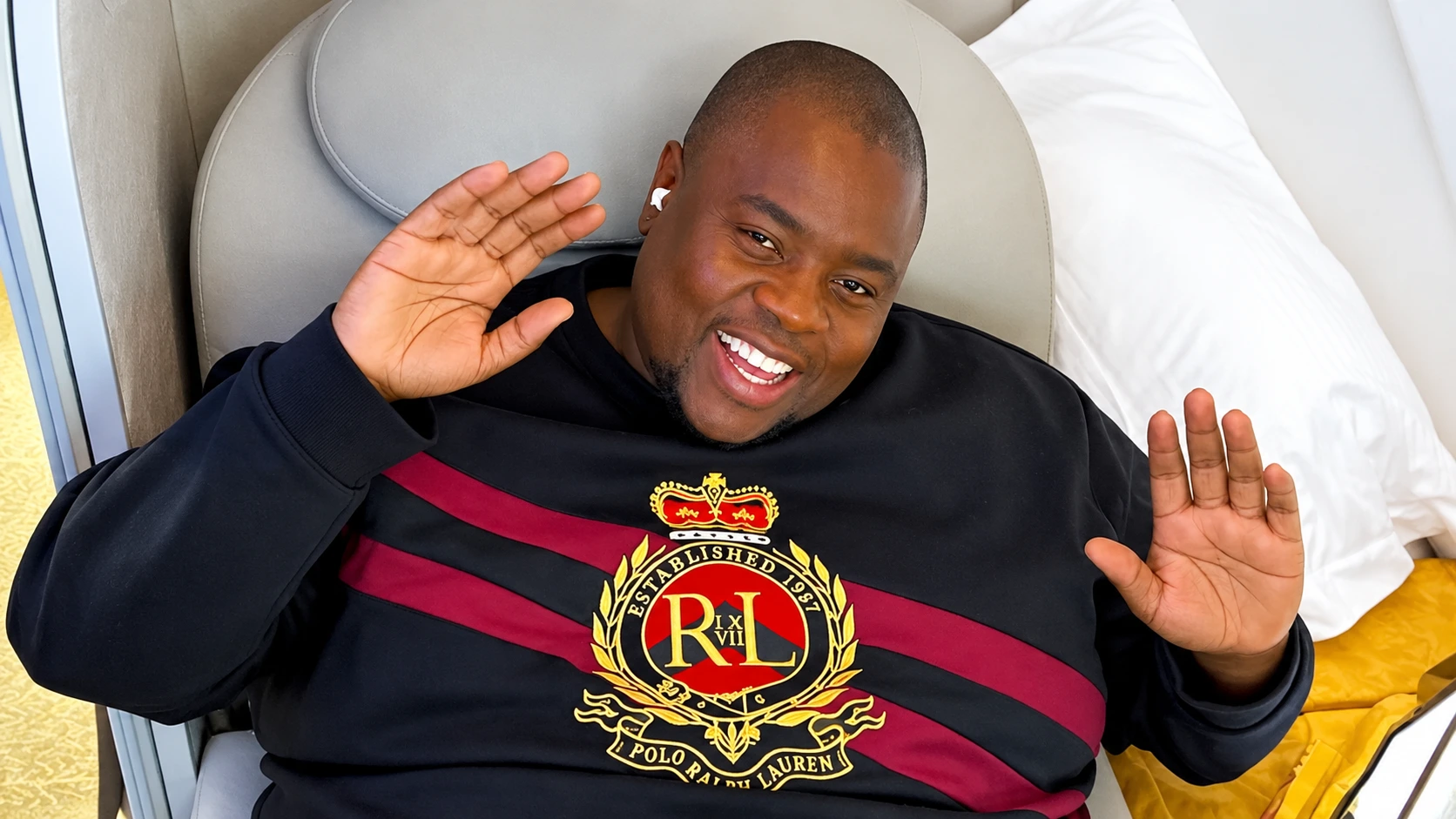
Wicknell Chivayo, a well known and controversial Zimbabwean businessman, has died in a helicopter crash. News of his death spread quickly in Zimbabwe and South Africa. South Africans have a special interest in this story because his name has been linked to a money laundering probe here involving more than R800 million.
This article keeps things simple. It covers what has been confirmed, what is still unclear, and why the case matters to readers in South Africa.
What happened in the helicopter crash
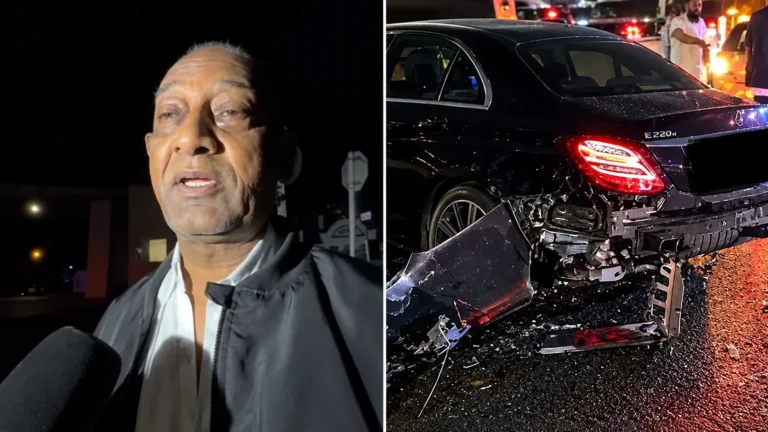
The crash happened on Wednesday evening, 30 September 2026, near Marondera. Marondera is a town about 72 kilometres east of Harare. Reports say the helicopter went down and caught fire.
Chivayo’s wife died in the crash too. Reports differ on how many people were on board. Zimbabwe’s police said six people were in the aircraft. A government spokesperson said seven. Most reports agree that there were no survivors and that two pilots were among the dead.
The cause of the crash has not been established. The country’s aviation authority is investigating. Early findings suggest fuel spilled on impact before a fire broke out. That is not an explanation of why the helicopter came down. It only describes what happened after it hit the ground.
Please be careful with social media posts about the crash. Many people are already guessing, and a guess is not a fact. The simple, honest answer today is that investigators still need time.
Who was Wicknell Chivayo?
Chivayo was 45. He was known in Zimbabwe for a lavish lifestyle. He gave away luxury cars on camera, posted about his wealth often and mixed with powerful people. He is also described as close to the ruling ZANU PF party.
His business story was just as public. He built an energy company and won large state contracts. Those contracts drew criticism in a country with deep economic struggles.
His legal history was long. He served time in prison in the early 2000s on fraud and money laundering charges. In August 2018, he was arrested again in Zimbabwe. The charges included fraud, money laundering and breaking exchange control rules. These charges related to a large advance payment on a project.
So his name was no stranger to investigators long before this week.
The South African link: the R800m probe
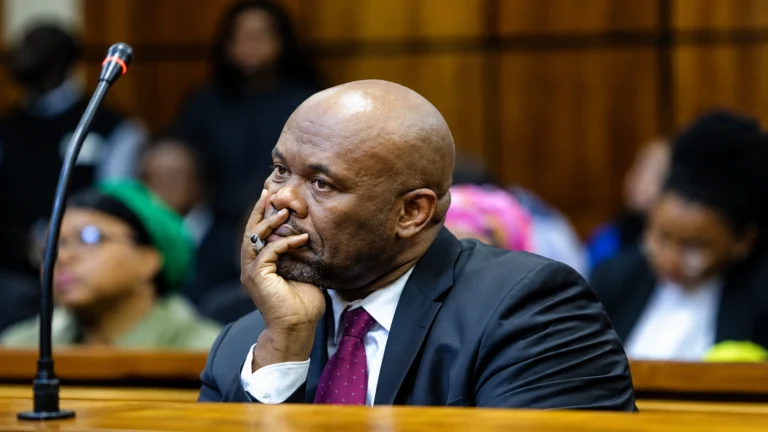
For South Africans, the key part of this story is the R800 million figure. According to local reporting, Chivayo was implicated in South Africa in alleged money laundering of more than R800 million.
Here is what that means in plain terms. Investigators looked at whether large sums of money moved through South African channels in ways meant to hide where the money came from. That is how money laundering works. Dirty or questionable money is moved around until it looks clean.
It is important to stay fair here. An implication is not a conviction. Being named or linked to a probe does not prove guilt. Chivayo can no longer answer the allegations, and the probe’s findings have not been tested in a South African court. That is why careful reading matters.
What is confirmed and what is not
A table makes this easy to follow.
| Topic | Status |
|---|---|
| Chivayo died in a helicopter crash near Marondera | Confirmed |
| His wife died in the crash | Confirmed |
| Total number of people on board | Reports differ (six or seven) |
| Cause of the crash | Not established, under investigation |
| Link to an R800m money laundering probe in South Africa | Reported, not proven in court |
| Claims about hidden billions linked to other politicians | Allegations only, no evidence shown |
Allegations from Kenya
Another claim has appeared since the crash. Rigathi Gachagua, a former deputy president of Kenya, spoke at an event in the United States. He alleged that Chivayo had been used to hold and move large sums of money for Kenya’s president, William Ruto.
Gachagua did not offer evidence for these claims in his speech. They remain allegations from a political figure. Nothing in the reports confirms them. Be careful about repeating them as fact. Gachagua is a political rival of the person he accused, so the claims should be read with caution.
Why this matters to South Africans
You may wonder why a Zimbabwean businessman’s death matters here. There are a few simple reasons.
First, money moves across borders easily. South Africa has the largest and most developed financial system in the region. That makes it attractive for people who want to move money, and it is also why local banks and authorities watch cross border payments closely.
Second, the probe now has no main person to question. Investigators can still follow the money trail, the companies and the bank records. But a key figure who could explain the transactions is gone. That can make it harder to reach a clear outcome.
Third, South African institutions are involved. The Hawks, the National Prosecuting Authority and the Financial Intelligence Centre all play roles in cases like this. The Financial Intelligence Centre is the body that receives reports on suspicious transactions. You can read more on its official website at fic.gov.za.
How money laundering is meant to be caught
Many people think money laundering is hard to understand. The basic idea is actually simple. It usually has three steps:
- Placement: illegal money enters the financial system.
- Layering: the money is moved around many times to hide its source.
- Integration: the money comes back looking like normal income.
Banks in South Africa must report suspicious transactions. They also check who their customers are. This is easy to overlook, but those checks are the first line of defence. If a transaction looks strange, a bank should flag it.
If you run a small business, you can protect yourself with a few easy habits. Keep proper records. Know who you are dealing with. Be wary of deals that sound too good to be true. The government’s official portal at gov.za has public information on financial crime and how to report it.
What happens next
Several things will probably unfold in the coming weeks.
The aviation authority will continue its investigation. Aircraft crash inquiries can take months. A full report is unlikely to come quickly.
Estate matters will also arise. When a wealthy person with business interests in several countries dies, ownership of companies and assets becomes a complex question. Courts may need to decide who controls what.
The money laundering probe in South Africa may continue in some form. Authorities can still look at transactions and companies even when a main figure has died. Whether charges against anyone else follow is a separate question, and nobody can say yet.
Meanwhile, Zimbabwe’s government has offered condolences and promised to establish the circumstances of the crash. The families of all those who died, including the pilots, are grieving. It is worth remembering that real people lost their lives, whatever one thinks of the businessman.
Key lessons from this story
There are a few simple takeaways for readers.
- Wait for verified facts. Early reports often carry mistakes, such as the different passenger counts here.
- Separate allegations from proof. Claims made at political events are not court findings.
- Understand the money trail. Large financial crime cases often cross several countries, and South Africa is often part of the picture.
- Follow official sources. Statements from authorities and regulators are more reliable than rumours.
Final thoughts
The death of Wicknell Chivayo closes a dramatic chapter in southern African business and politics. He was famous for his wealth, his connections and his legal troubles. His death leaves open questions about the helicopter crash and about the R800 million money laundering probe that touched South Africa.
For now, the facts are limited. The crash is confirmed. The cause is unknown. The probe is reported but unproven in court. Everything beyond that is speculation, and it is easy to get carried away by it.
The best approach is a simple one. Read carefully, rely on official updates, and wait for investigators to finish their work. As more verified information comes out, the full picture will become clearer.
About the Author