
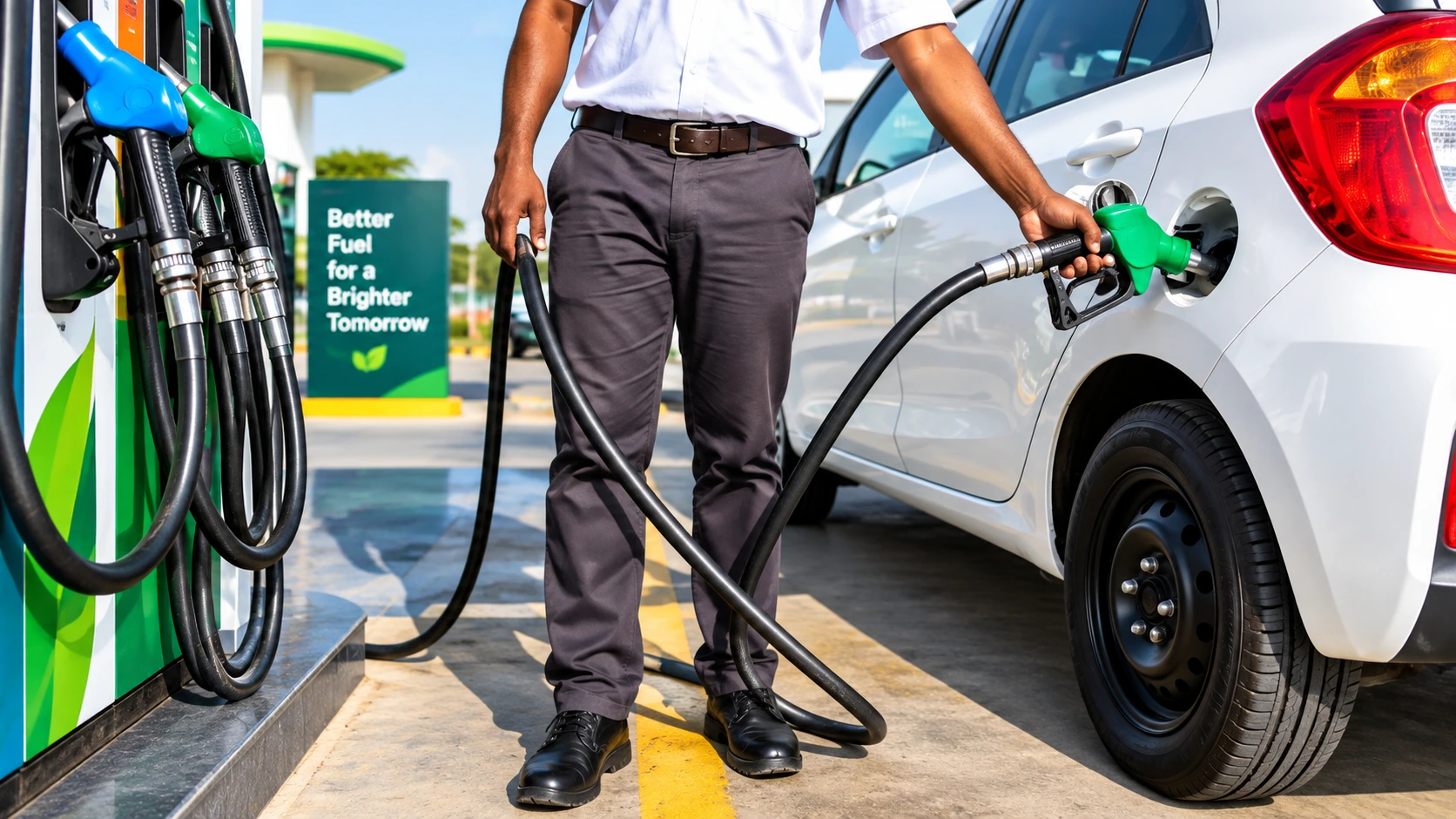
South African motorists are facing a massive financial burden as a severe fuel price shock looms on the horizon. Mid month data tracking suggests a sharp upward surge that will push retail pump prices to unprecedented historic peaks across the country, threatening consumer budgets and business operational costs alike.
Record High Costs Coming to Local Filling Stations
Driving anywhere in South Africa is set to become substantially more expensive in the coming month. Recent mid month metrics from official energy monitoring bodies paint a troubling picture for consumer household finances and general living expenses.
According to underlying tracking figures released by the Central Energy Fund
, unleaded fuel grades and refined diesel varieties are pointing toward steep increases across the board. Petrol with a 95 octane rating may rise by approximately R3 per litre. At the same time, highly refined diesel variants could experience an even higher surge of roughly R3.07 per litre.
If these projected changes take effect fully when officially implemented, both fuel types will climb into uncharted economic territory, easily breaching previous record marks set earlier in the year.
| Fuel Grade | Previous Record Peak | Expected October Increase | Estimated New Level |
| 95 Unleaded Petrol | R28.06 per litre (June) | ~ R3.00 per litre | Close to R30.00 (Inland) |
| Refined Diesel | R31.38 per litre (May) | ~ R3.07 per litre | Above R32.00 per litre |
Coastal versus Inland Price Breakdown
The geographic location of drivers within South Africa plays a vital role in determining the final price paid at service station pumps. Transporting fuel inland from coastal harbors requires pipeline, rail, and road transit infrastructure, which adds unavoidable distribution costs to inland regions.
- Inland Areas (Gauteng and Surrounds): Prices inland are naturally higher due to inland freight and logistics charges. With 95 unleaded petrol previously peaking at R28.06 per litre in June, an additional rise of R3 per litre will drag the price very close to the R30 milestone mark.
- Diesel Impact:Diesel prices reached a record peak of R31.38 per litre back in May. The forecasted R3.07 adjustment could push wholesale and retail diesel costs past R32 per litre nationwide.
Understanding local pricing mechanisms is easy when considering pipeline freight and transport logistics. Keeping track of daily underlying changes is a simple routine that helps families plan ahead for monthly travel. Calculating monthly fuel allowances becomes an easy step in maintaining structured household budgets, making it simple to prepare for coming expense increases. Managing vehicle expenses is easy once you monitor transport trends. Checking fuel updates daily is a simple habit for proactive financial planning.
Cascading Economic Effects on Households and Businesses
A sudden petrol price expected to increase by R3 in October impacts far more than just individual car owners. Fuel functions as a foundational expense across general supply chains, meaning drastic pump shifts quickly filter down into broader cost pressures across the economy.
Key Drivers of Economic Pressure
- Public Transport Fares: Commuters relying on minibus taxis and long distance buses often face immediate fare hikes when fuel costs climb significantly.
- Food and Grocery Costs: Supermarkets depend heavily on truck fleets for daily deliveries. Increased freight costs inevitably lead to higher retail food prices on essential goods.
- Business Operating Costs: Small enterprises operating delivery fleets face tighter profit margins, forcing them to adjust service fees and product pricing.
Official regulatory guidelines managed by the Department of Mineral and Petroleum Resources
govern local fuel pricing frameworks based on international crude benchmarks and local currency exchange movements.
Practical Ways to Counter Rising Fuel Costs
Finding practical ways to save fuel is easy if drivers adjust their daily driving habits. Following simple vehicle maintenance checks, such as keeping tyres properly inflated and removing unnecessary boot weight, offers easy fuel savings over long distances.
Adopting simple commuting adjustments like carpooling or trip grouping provides an easy defense against high fuel bills. Relying on simple driving adjustments ensures motorists maintain greater control over their transport expenses. Taking easy precautions keeps long distance travel affordable. Following simple routes reduces idling time in urban traffic jams.
Maintaining efficient tire pressure remains an easy task for every driver. Using simple momentum techniques while accelerating makes driving far more efficient. Choosing easy maintenance schedules prevents engine drag over time. Relying on simple carpooling arrangements slashes individual commuting expenses quickly. Keeping vehicle loads light is an easy fix for immediate efficiency gains. Using simple route planning apps avoids heavy traffic build ups effortlessly. Managing monthly fuel usage is easy with consistent speed habits. Following simple coasting methods preserves fuel when approaching stop streets.
About the Author