Not the Sunday afternoon anyone on an Airlink flight from Johannesburg to Cape Town had planned. A tyre burst just as the jet was speeding down the runway, and the pilots shut the take-off down. The passengers ended up on a different plane. This is what we know so far, and it isn’t a lot.
What happened on the runway
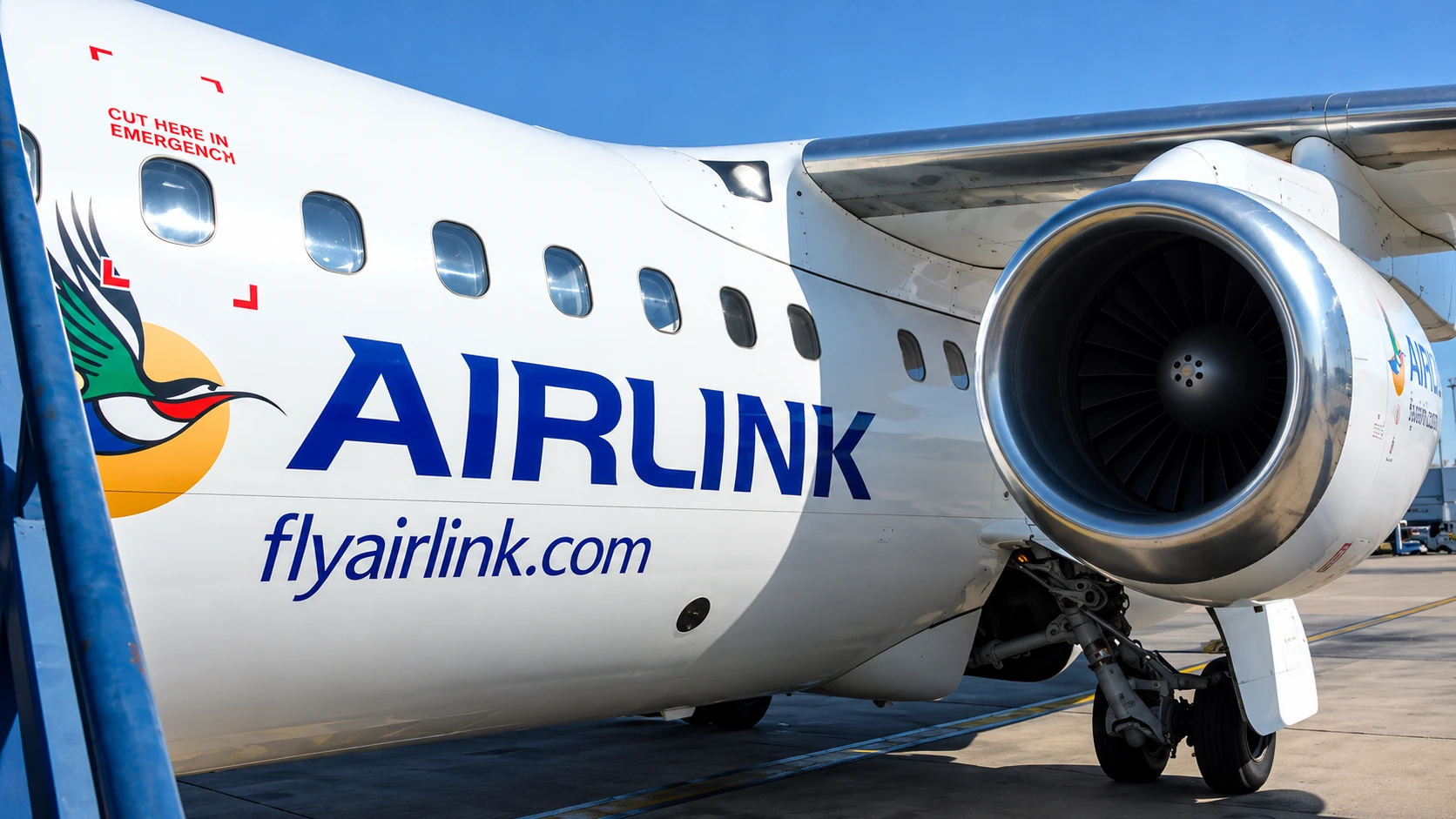
Airlink flight 4Z 951 was meant to take people from Johannesburg to Cape Town. The aircraft was an Embraer E190. The airline says 75 passengers and crew were on board.
The plane was already rolling for take-off when the tyre went. The pilots chose to stop, and they stopped it on the runway. Airlink says they stuck to standard procedures.
Worth saying plainly: nobody was improvising here. Crews practise this exact situation in training. When it happened for real, they did what they had rehearsed.
Why pilots stop a take-off
Every airline pilot learns the rejected take-off. As the plane gathers speed, the crew watch for trouble. A warning, a bang, a vibration that shouldn’t be there. If it comes early enough, hitting the brakes is usually the safest move.
A tyre burst falls into that category. The tyres take the full weight of the jet while it accelerates, so when one fails, the pilots have almost no time to think it over. They either carry on or they stop. This crew stopped.
Reading about it, you might picture something far worse than what seems to have happened. A controlled stop on the runway is how this is meant to end. None of the reports we found mention injuries.
A replacement aircraft for passengers
Once the jet was still, Airlink had a planeload of people to deal with. The airline sent buses and mobile stairs to carry them over to a replacement aircraft, so the trip to Cape Town could carry on. Nobody had to wait for the damaged plane to be sorted.
It’s a simple fix, and airlines like it for good reason. One spare aircraft keeps everyone together. The alternative is rebooking dozens of people across other flights, which can eat up hours.
We don’t have a departure time for the replacement leg. Airlink hasn’t shared it. If someone you know was on that flight, the airline is the best place to ask.
What engineers are doing now
Back on the runway, Airlink’s engineers started inspecting the original aircraft. The airline said they were working out how to get it off the runway safely and as quickly as possible.
You’d think that would be easy. It isn’t. A jet with a burst tyre can’t just be towed away like a broken down car. Somebody has to look at the damage first and decide how to move it without making things worse. Every minute matters, because the runway can’t be used properly until the plane is gone.
Why the tyre burst happened is still unanswered. Airlink hasn’t offered a reason, and it would be unfair to guess before the inspection is done.
Key facts at a glance
If you just want the basics in one spot, this table covers them.
| Detail | What we know |
|---|---|
| Airline | Airlink |
| Flight | 4Z 951 |
| Route | Johannesburg to Cape Town |
| Aircraft | Embraer E190 |
| People on board | 75 passengers and crew |
| Problem | Tyre burst during the take-off roll |
| Pilot response | Take-off aborted, aircraft stopped on the runway |
| Passenger plan | Moved by bus and mobile stairs to a replacement aircraft |
| Next step | Engineers inspecting the plane and planning its safe removal |
What this means for travellers
Most of us will go our whole lives without an aborted take-off. If you ever do, the aim is easy to understand: stop safely, look after the people on board, then check the aircraft properly.
The South African Civil Aviation Authority oversees aviation safety in South Africa and sets the rules airlines work under. The Airports Company South Africa runs the airports, and its website has general airport information.
Flying with Airlink soon? No need to cancel anything. Check your flight status before you head out. Keep your phone charged. Arrive a little early in case a runway problem shakes up the schedule. If your trip does get messed with, ask the airline what rebooking or help is on offer. Small things, but they take the sting out of a bad travel day.
The bigger picture
Tyres wear out and sometimes fail. They do a brutal job, especially at take-off and landing, which is why airlines inspect them regularly. When one does give way, there’s a drill for what happens next.
By the look of it, that drill was followed here. The pilots stopped the plane. Buses and mobile stairs arrived. A replacement aircraft was found, so the Airlink flight could still reach its destination. Engineers then turned to clearing the runway.
That said, it won’t have felt routine to anyone strapped into a seat. Slamming to a halt at speed is scary, and the hanging around afterwards is draining. The handling is the part worth noting.
What to watch for next
Two things are still unclear. First, what caused the tyre burst. Second, how long the Embraer stayed on the runway. Airlink says its engineers are moving as fast as they can on the second.
Expect more details later, possibly on the cause and any wider checks. For now, the picture is simple. A tyre burst during take-off, a safe stop, a switch to another jet, and an inspection still under way.
If you regularly fly between Johannesburg and Cape Town, there’s no reason to lose sleep over this. Flying is still among the safest ways to get around, and the rules exist for days exactly like this one. If your own trip gets disrupted, stay calm, follow the crew and keep checking the airline’s official channels.
About the Author