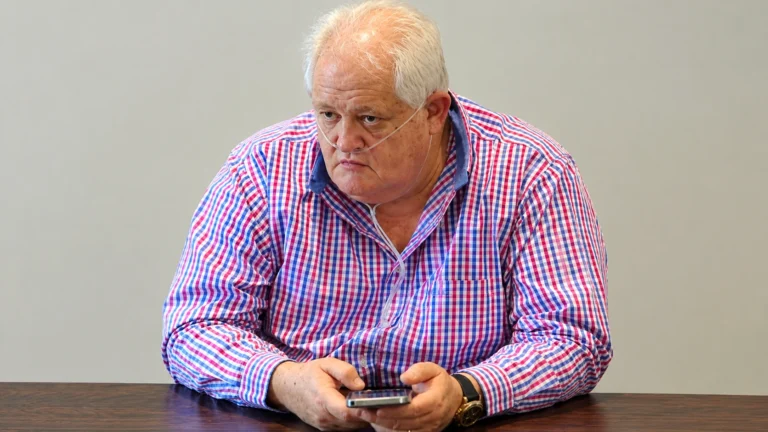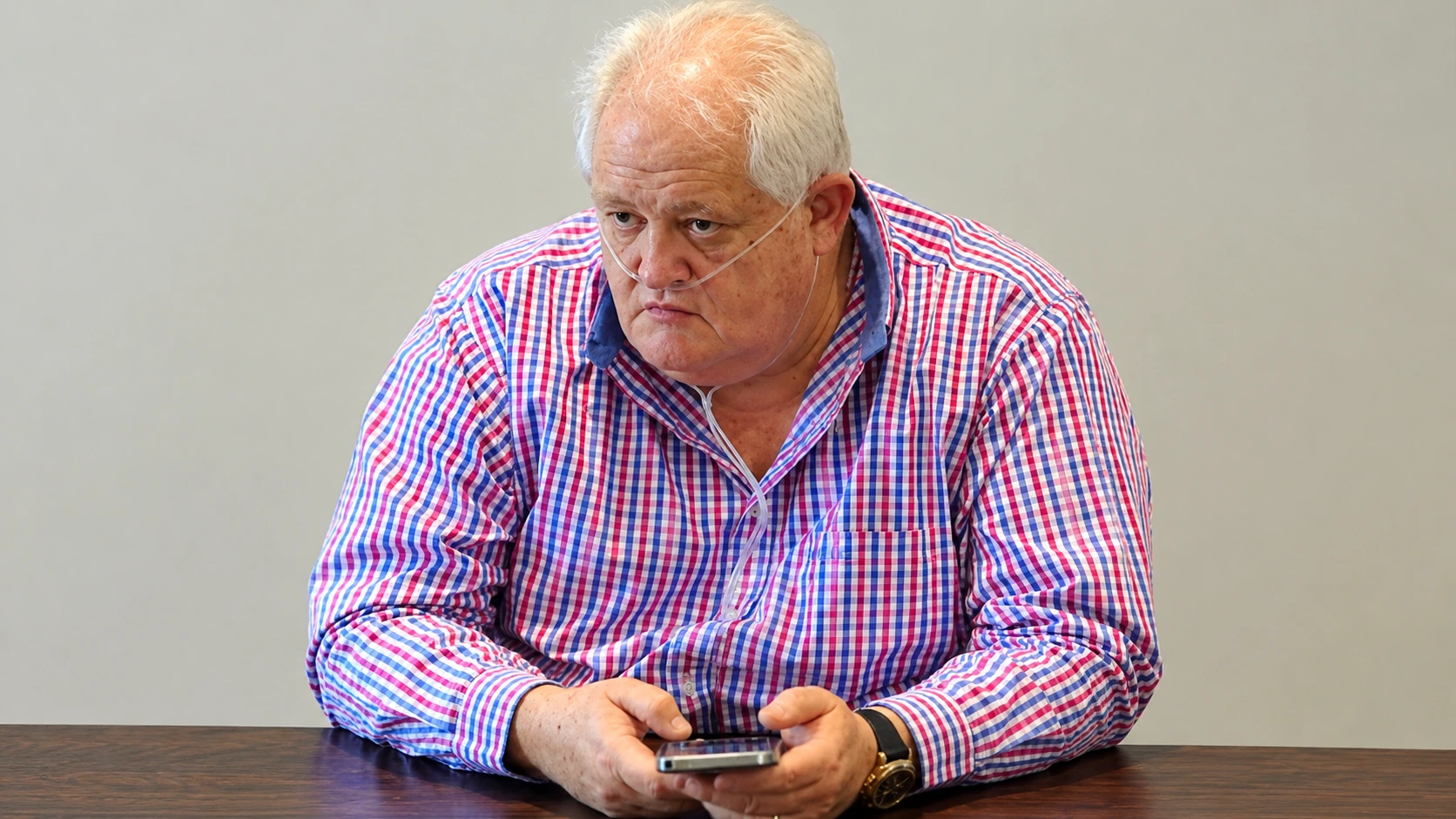
South Africa has just seen one of its biggest corruption stories land a very heavy bill. The Gauteng High Court in Pretoria has told angelo agrizzi, the former chief operating officer of Bosasa, to pay the state back more than R1.66 billion. The confiscation order was granted in October 2026.
For the National Prosecuting Authority (NPA), this is a big moment. The goal is to get back money that came out of corrupt government contracts. Let’s walk through what happened, in simple terms.
What the court decided
The court wants more than R1.66 billion from angelo agrizzi. The NPA says this isn’t just for show. NPA national spokesperson Kaizer Kganyago put it plainly: it’s the money the state wants back.
So how did they land on that number? Kganyago said the NPA looked at everything Bosasa earned from the Department of Correctional Services. Then they checked how involved each person was, and whether they were all working towards the same purpose. The final figure came from that.
The judges also noticed something. Agrizzi hadn’t been honest about his properties, especially the ones abroad. That counted against him.
Who is Angelo Agrizzi?
Agrizzi was the chief operating officer at Bosasa from 1999 to 2016. At some point he fell out with the company’s boss, Gavin Watson. Later, he became a state witness.
In January 2019 he sat before the Zondo Commission of Inquiry into State Capture for 13 days. What he said made headlines for weeks. He described cash bribes worth millions of rand, paid to win contracts, mostly from Correctional Services. He also said he handled about R75.7 million in cash that was meant for officials. Former president Jacob Zuma was among the people he named as an intended recipient.
What the Zondo Commission found
The commission didn’t hold back in its findings. It said Bosasa ran like an industrial scale corruption enterprise.
The company landed government contracts worth around R2.37 billion. Executives allegedly used fake invoices and other schemes to produce cash, and that cash then went to bribes.
If you’d like to read the official record yourself, the State Capture Commission website has the reports.
The wealth he did not declare
Bribes were only half of it. When investigators went through Agrizzi’s own finances, they found wealth he hadn’t told anyone about.
And it was quite a list. Luxury flats in Italy. A home in a Johannesburg golf estate. Ferraris. Even a Bitcoin wallet.
| Asset type | What investigators found |
|---|---|
| Italian property | Two luxury apartments in Selvazzano Dentro |
| South African property | A home in Dainfern Golf Estate, Johannesburg |
| Vehicles | Ferraris and a BMW X5 |
| Other valuables | Art, furniture and jewellery |
| Cryptocurrency | An undisclosed Bitcoin wallet reportedly holding R6.69 million |
| Bank accounts | Millions of rand sent to foreign accounts |
The table makes it easy to see how far the money travelled. Some of it simply left the country.
A big gap between what he said and what was found
Here’s a detail that stands out. Agrizzi first claimed his personal property was worth about R2.6 million. Not a huge sum.
The asset investigation found something very different. His wealth came to nearly R35 million, counting assets held through business interests and offshore arrangements.
That gap mattered in court. The judges sided with the state, partly because he hadn’t been upfront about what he owned.
Can the state really get R1.66 billion back?
That’s the question on everyone’s mind. Kganyago admitted that Agrizzi probably doesn’t have that much in cash. A confiscation order is an easy thing to announce. Collecting is the hard bit.
The NPA plans to chase his assets one at a time, with a focus on properties overseas. For the Italian ones, it’ll rely on mutual legal assistance agreements between South Africa and Italy. Kganyago was clear that this isn’t extradition. It’s a way for two countries to help each other trace and recover assets.
There’s also a fallback. If investigators find the full amount can’t be recovered, the NPA can go back to court and ask for the order to be varied. So the final number could shift, depending on what the state actually manages to seize.
For updates on prosecutions and recoveries, the National Prosecuting Authority is the official source.
What happens next in the Bosasa cases
According to the NPA, the criminal process and the money recovery process against Agrizzi are now finished. But the Bosasa story isn’t over.
Cases against other people tied to the scandal will go on. Kganyago said prosecutors will now turn to the other accused, including former Bosasa executive Linda Mti. One chapter has closed. Others are still open.
Why this matters to South Africans
Most of us feel angry when we read about corruption at this scale, and for good reason. Government contracts are paid for with public money. When that money gets stolen, clinics, schools and other services pay the price.
That’s why the angelo agrizzi bosasa state capture repayment order is getting so much attention. It tells people that courts can follow money across borders. It also tells them that hiding assets can hurt you badly in court.
But the real test comes later. A court order on paper is simple to read about. Getting actual cash back into state hands takes much longer. South Africans will be watching how much the NPA recovers, and how fast.
Key points at a glance
- The Gauteng High Court in Pretoria granted the order in October 2026.
- Angelo Agrizzi must repay more than R1.66 billion.
- He was Bosasa’s chief operating officer from 1999 to 2016.
- He admitted preparing about R75.7 million in cash meant for bribes.
- Investigators found Italian apartments, Ferraris and a Bitcoin wallet.
- The NPA will use mutual legal assistance to go after assets in Italy.
- The NPA can ask the court to change the amount if full recovery isn’t possible.
- The case against Linda Mti and other accused goes on.
Final word
The order against angelo agrizzi is among the largest recovery orders linked to the Bosasa scandal. Years after the Zondo Commission heard its evidence, the state is still trying to claw back what was taken.
The story isn’t finished yet. The NPA now has to turn a court order into real recovery. How well it does that will show whether this simple message of accountability leads to results the public can actually see.
About the Author