If your electricity bill feels heavier every year, you’re not imagining it. New figures show that power has become far more expensive than prices in general. The latest data on south africa electricity price inflation puts the rise at 101% since 2020. Overall consumer prices? Up by only 35%. That’s a big gap, and it isn’t shrinking.
What the Competition Commission found
The numbers come from the Competition Commission, in its latest Cost of Living Report. The report follows prices from 2020 up to July 2026, looking at both the short term and the long haul. One thing it checks is how easy it is for households to afford the basics, both food and non food items. Water and electricity sit in that second group.
By July 2026, cumulative electricity price inflation had reached about 101%. A year before, it was around 85%. That’s a jump of roughly 15 percentage points in twelve months. For one year, that’s a lot.
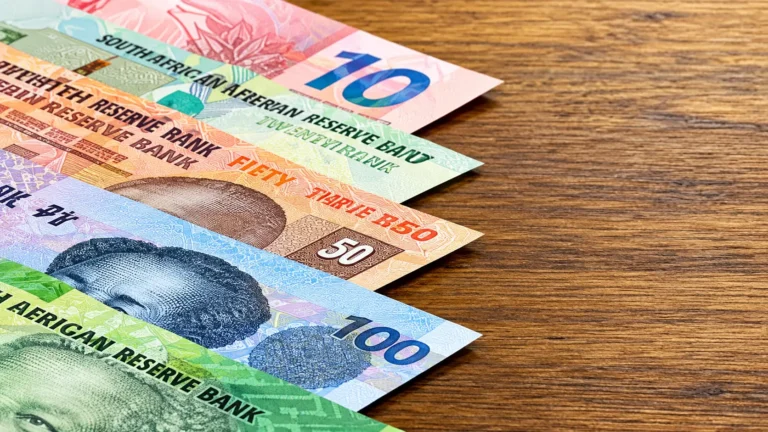
Let’s make it real with rand. Say a unit of power cost R1.00 back in 2020. On average, it would now cost close to R2.01. If it had only followed general prices, you’d be paying about R1.35. The commission says this shows electricity takes a disproportionate bite out of household spending, and that adds to the cost of living crisis many families are already battling.
It also pointed out that electricity and water are among the largest administered expenses households face. These are prices that aren’t set freely by market competition, so they don’t always move like the things you buy at the supermarket.
How the past year looked
The last twelve months tell the same story. Between July 2025 and July 2026, electricity inflation came in at 8.1%. Water inflation was higher at 10.1%. Headline consumer price inflation? Just 4.3%.
So electricity is rising at nearly twice the pace of the general cost of living, and water at more than twice. Neither bill gives you a break, because you need both every single day.
Why electricity pricing hurts so much
The commission describes electricity and water as essential services with few real substitutes. Cooking, heating, sanitation, schooling, running a small business, growing crops: it all leans on one or the other. They also matter for general wellbeing and for the economy as a whole. So when tariffs rise, your budget feels it straight away. You can’t easily cut back on something you use all day long.
Electricity is the tougher one. Eskom holds a monopoly, which means most people simply have nowhere else to go. That’s a big reason electricity pricing stirs up so much anger.
So why do tariffs keep beating inflation? The commission points to ageing infrastructure, higher running and maintenance costs, and the money needed to repair and expand the network. Those pressures have been building for years, and they’ve pushed tariffs above general price rises.
Eskom says there will be no price relief
A lot of South Africans hoped Eskom’s R30 billion profit would turn into lower tariffs. It won’t. Eskom chair Mteto Nyati said in September that the money wouldn’t go towards price relief. The utility also decided against paying a dividend, which is a share of profit paid out to owners. It will plough the cash back into the business instead.
Nyati said Eskom has big plans. It wants a stake in renewable energy, wants to deliver energy, and wants to invest in ways that support the growth of data centres. That takes money, he said, and the aim is to make sure the country never slides back to where it was a few years ago.
Government has stepped in a little. It’s moving to introduce a new electricity price policy, mainly to help indigent households, and it has pushed Eskom politically to keep hikes in check. But neither move is expected to stop increases that run above inflation.
What comes next
Eskom says it won’t do double figure hikes any more. Sounds good, until you read the fine print. It only means increases stay below 9.99%. For 2027, the plan is another average rise of 8.8%, which is still about double the 4.3% headline inflation of the past year.
Further out, Eskom’s own assessment of its cash generating unit expects average increases of around 6% from 2029 through to 2050. That’s lower than today’s hikes, but it’s still well above where inflation is meant to sit.
Then there’s the South African Reserve Bank, which wants to keep inflation at 3% over the next few years. If it gets there, electricity prices are likely to keep climbing at roughly double that rate for a long time. Put simply, the story of south africa electricity price inflation isn’t ending soon.
What households can do
You can’t change national tariffs on your own, but keeping informed is a simple place to start. Tariff updates are on the Eskom website, and anyone can read the full commission report. Knowing what’s coming makes it easier to plan your monthly budget.
The takeaway is easy enough to remember. Electricity now costs far more than prices in general, and the official outlook says that won’t change. For plenty of families, planning around it will be part of everyday money management for years to come.
About the Author