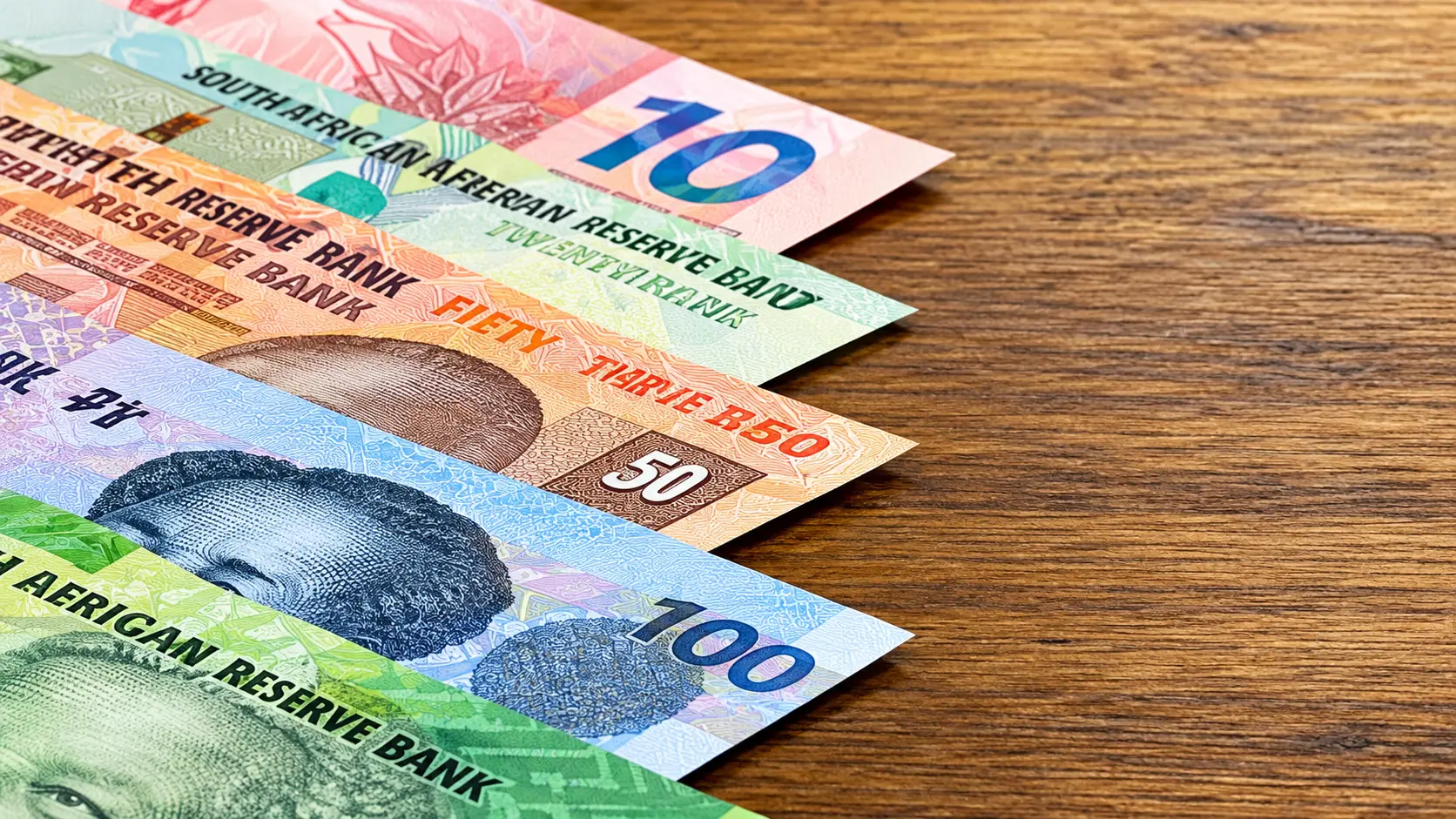
South Africa and its BRICS partners have talked for years about life beyond the US dollar. A new think tank report now puts a hard question on the table. Can a group of major economies really share one currency? The authors say the odds look slim. They think a simpler step makes more sense: a joint payments system that helps members pay each other without leaning so heavily on the dollar.
What the report says
The paper was released on Friday, 30 October, by BRICS+ Thinking, a nonprofit policy platform. It was written by Gregory T. Chin, Danny Quah and Jim O’Neill. O’Neill is the former Goldman Sachs economist who came up with the BRIC label back in 2001. South Africa joined the group in 2011, which is how BRIC became BRICS.
The authors want the expanded BRICS+ grouping to commit to a cross border payments mechanism. That grouping is led by Brazil, Russia, India, China and South Africa. They stress that member central banks must back the goal and put the technical building blocks in place. Without that work, they say, such a system simply will not function.
It helps to be clear about what this is. The paper is advice from researchers. It is not a decision by any government, and it does not change anything for ordinary people today. That is easy to miss when headlines about the dollar start flying around.
Why one shared currency is so hard
The authors do not sugarcoat it. They describe the early outlook for a BRICS+ currency as “not hopeful”. They list several reasons.
A shared currency would need dramatic reforms across the group. Central banks would have to become more independent. Members would need a common monetary authority. Limits on the movement of money in and out of countries would have to be eased. The new money would also have to be freely convertible, both at home and abroad. That is a tall order under the policies many members follow today.
Then there is geography. The member countries are spread across several continents. The authors also point out that they show no real appetite for handing control of their economic policy to one shared central bank.
Here is a simple way to picture it. Think of the euro. Countries that use it share one central bank and one set of interest rate decisions. In South Africa, the South African Reserve Bank makes those calls for the rand. Moving to a shared currency would mean giving up that control. Few governments are ready to do that.
The payments idea is the easier path
The report argues that a joint payments mechanism is a more realistic goal. The idea is easy to explain. Instead of routing so many deals through the US dollar, members would build ways to settle trade with each other more directly.
This is not a brand new topic. Cross border payments have sat on the BRICS agenda for a long time. Progress on linking members’ financial systems has been limited, according to the report.
There are signs of effort, though. After their September summit in India, BRICS leaders said they would keep working on faster and cheaper cross border payments. Their plans include linking payment systems and using more local currency in trade.
Finance ministers and central bank governors also met in Mumbai on 10 September. Their joint statement noted the work of the BRICS Payment Task Force. The task force has been studying how different payment and messaging channels can work together. It has also looked at ways to settle trade and investment in members’ own money. The ministers said these solutions should be fast, low cost, accessible, efficient, transparent and safe. They also accepted that there is no one size fits all approach, since each country has its own priorities.
The work builds on guidance from the Kazan and Rio declarations.
Payments system versus shared currency
The table below sets out the difference in a simple way.
| Joint payments mechanism | Shared currency | |
|---|---|---|
| What it is | A system that links members’ payment networks | One money used by all members |
| What it needs | Central bank cooperation and technical set up | A common monetary authority, central bank independence and fewer limits on capital flows |
| Report’s view | Worth pressing ahead with | Outlook “not hopeful” |
| Where it stands | Work continues, but progress has been limited | BRICS has no common currency today |
The politics around the dollar
Any talk of a BRICS currency quickly becomes a political issue. US President Donald Trump has criticised the idea. He has repeatedly threatened 100% tariffs on member states if they create a common currency or back an alternative to the US dollar.
It is worth noting that BRICS does not have a common currency. Some members, including Russia and India, have played down the prospect of one.
Still, the wider push to cut reliance on the dollar has picked up speed around the world. It started gathering pace after Western sanctions were placed on Russia following its full scale invasion of Ukraine in 2022. So even if a shared currency stays out of reach, interest in other ways to pay for trade is unlikely to fade.
What this means for South Africans
For now, nothing changes for your wallet. The rand remains South Africa’s money, and the Reserve Bank still sets policy for it. A BRICS currency does not exist, and the report suggests it will be a long road if it ever does.
The payments plan is a different story. If members do manage to link their systems, the stated goal is to make cross border payments faster and cheaper. For a country that trades widely with other BRICS members, that could matter over time. But the report itself admits that efforts so far have moved slowly. So it is wise to treat promises with care until real systems are up and running.
South Africans who want to follow how the country manages its money and trade policy can also keep an eye on the National Treasury for official updates.
The bottom line
The report sends a clear message. BRICS+ countries should not chase a shared currency right now, because the economic and institutional hurdles are simply too big. They should focus instead on a payments mechanism that central banks can actually deliver. That path is easier to understand and easier to build, even if it will still take serious work.
For South Africa, the lesson is simple. Talk of replacing the dollar makes big headlines, but the real progress will come from small, practical steps on payments. Those steps will depend on cooperation between central banks that do not all want the same thing. Watch for updates from BRICS leaders and finance officials, because that is where any real change will begin.
About the Author