The fight for control of Gauteng’s biggest cities is getting tense. Party leader Herman Mashaba says actionsa is close to a deal with the ANC. If it happens, the DA could lose its hold on Johannesburg, Tshwane and Ekurhuleni. Another story is hurting workers far from the political stage. Nineteen municipalities owe nearly R1.5 billion in pension contributions that were taken from staff salaries but never paid over.
What actionsa said on Monday
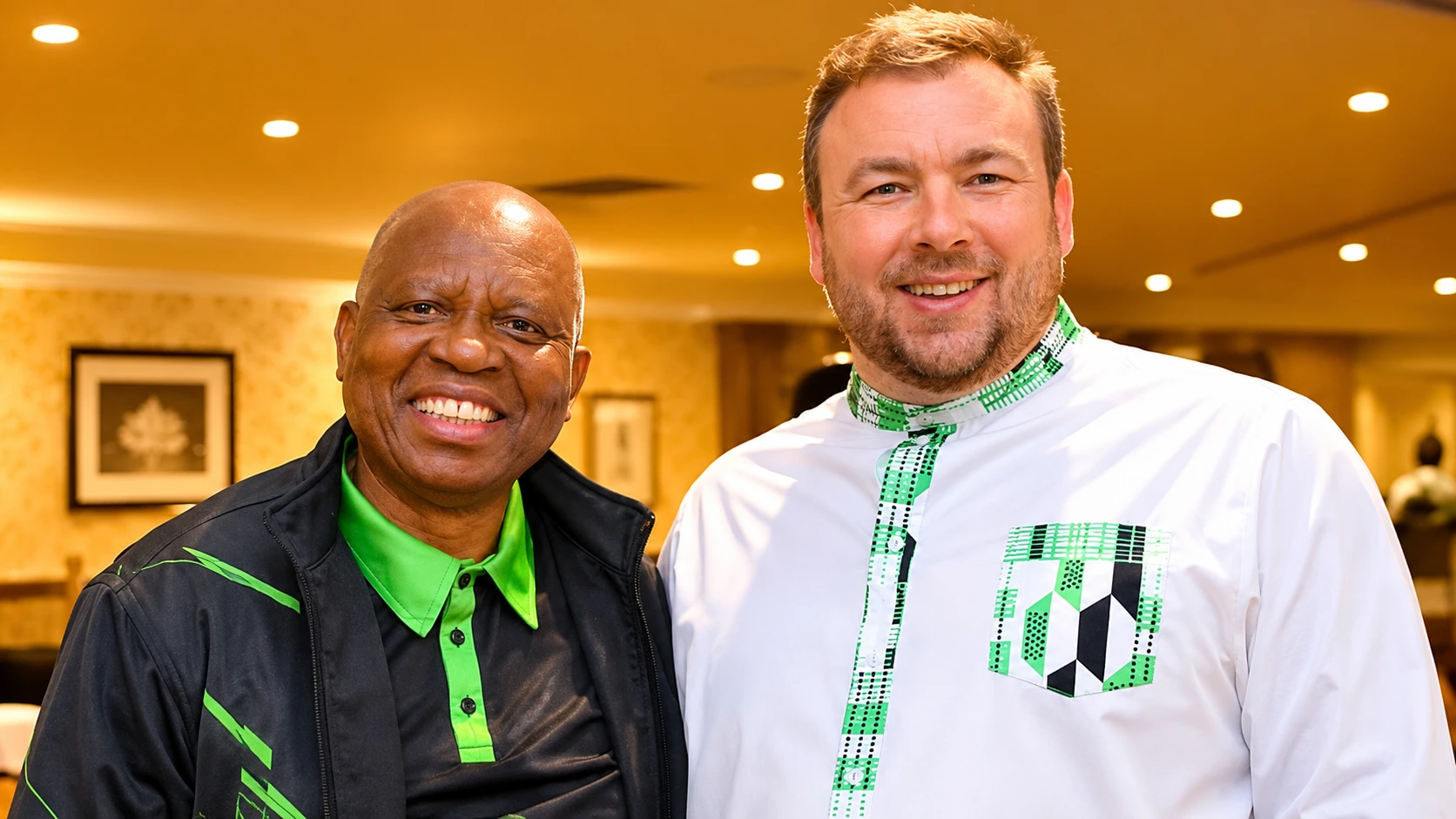
On 16 November 2026, Mashaba told the media that his party is nearing a deal with the ANC. He also said he is confident it will get done. National chairperson Michael Beaumont added that talks are making progress towards what he called multi party solutions.
That is a big shift in tone. Mashaba spent years saying he would never work with the ANC. He has now defended the move, saying it is about service delivery and stability in the metros. It is not a simple U turn for him, and critics will keep asking about it.
How the talks got here
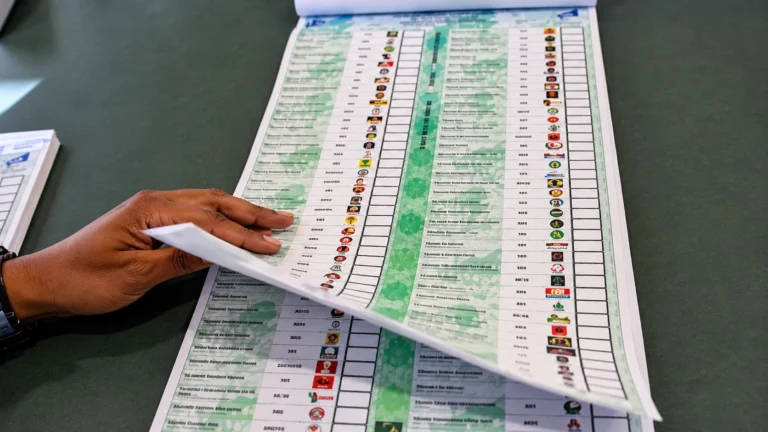
The talks follow the recent local government elections. No party won clear control of the three Gauteng metros, so every council needs a coalition. Parties had roughly two weeks from early November to agree on partners in many councils across the country.
actionsa met the ANC on Sunday, 8 November. The party then met the EFF the next day. Beaumont called the first ANC meeting productive and respectful. He said the two sides talked about principles for stable coalition governments.
The DA won the most seats in the three metros. Even so, an analyst from North West University, Professor Joseph Sekhampu, says actionsa holds the stronger bargaining position. His point is easy to follow. Finishing first does not guarantee control when you cannot reach a majority alone.
Reports say actionsa won about 55 wards. That gives it real weight at the table.
Why the DA is under pressure
Mashaba says the chance of a DA deal is very, very slim. He has also said that Helen Zille would need to be removed before he would consider talks with the DA. The DA’s Tshwane mayor, Cilliers Brink, has also been part of the discussion. Beaumont has previously floated a plan where actionsa takes deputy positions and Brink is removed. That is only what the party has asked for. It is not a final agreement.
Professor Sekhampu also made a point that matters. A direct DA and ANC agreement could give those two parties a majority in all three metros without actionsa. In that case, the smaller party’s influence would drop sharply. So actionsa is strongest while both routes remain possible.
Some ANC leaders reportedly want a grand coalition with the DA. Others prefer a different path. That split inside the ANC is a big reason why nothing is final yet.
The risks of an ANC and actionsa pact
A deal like this is not free of cost. Analysts warn that coalitions made of many smaller parties can be unstable. Critics say Gauteng could face another five years of fragmented city management, with parties fighting over posts and influence.
There is also a trust problem. Mashaba once said that removing the ANC from power was central to why his party exists. Voters who backed actionsa for that reason may feel let down.
On the other side, supporters of a deal say ending the deadlock could help the metros get back to basics. They point to water, electricity, roads and waste collection. Residents in all three cities have struggled with these for years. In simple terms, a stable council can at least make decisions.
Until a deal is signed, nothing is certain. Talks can still collapse, as has happened before in Gauteng politics.
Quick facts at a glance
| Issue | What we know |
|---|---|
| Who is close to a deal | actionsa and the ANC, according to Mashaba |
| Who is at risk | The DA, which could lose control in the Gauteng metros |
| Other talks | actionsa has also met the EFF |
| Biggest unknown | Which positions each party will get |
Meanwhile, 12 years of pensions have gone missing
This second story is quieter, but it affects ordinary families. According to answers given to Parliament by Finance Minister Enoch Godongwana, 19 municipalities in five provinces owe nearly R1.5 billion in pension contributions. Some of the unpaid money goes back as far as 2014.
The way it works is easy to explain. A municipality deducts pension money from a worker’s salary every month. It should then pay that money into the worker’s retirement fund. In these cases, the money did not arrive.
Godongwana’s written reply was given to a DA Member of Parliament, Mlondi Mdluli. It showed that several funds were affected. These include the Consolidated Retirement Fund, the Municipal Gratuity Fund, the National Fund for Municipal Workers, the South African Local Authorities Pension Fund, the Municipal Workers Retirement Fund and the Vrystaat Munisipale Pensioenfonds.
What Treasury has already done
This is not the first warning. In July, National Treasury withheld R13.5 billion in funding from 69 municipalities. The money is known as the equitable share. Treasury held it back over several failures, including unpaid pension contributions. The 19 municipalities in this latest answer were among those 69.
Treasury later said it would release part of the withheld money so that basic services could keep running. That created a hard balance. Cutting funds can pressure a council to pay, but it can also hurt residents who rely on water and electricity.
Godongwana has described the issue plainly. When a worker retires, there may be a problem paying their pension. For a person who has worked for decades, that is not a small matter.
Different numbers, same problem
You may see different totals in different reports. Parliament’s Standing Committee on Finance said in October that about R1.79 billion was owed by around 19 municipalities. It said Free State municipalities were a major concern. The Kopanong municipality was reported to owe the largest share, at about R378 million. The newer figure of nearly R1.5 billion was given in the minister’s latest reply. Numbers can change when municipalities pay part of what they owe or when data is updated. The message stays the same. A large amount of workers’ money is still missing.
You can read the committee’s statement on the official Parliament of South Africa website. If you want to check whether your own employer is paying your retirement fund, the Financial Sector Conduct Authority explains how to complain on its official site.
What happens next
For the metros, the next step is simple. Watch for a signed agreement. Key questions remain about who becomes mayor in each city, which party gets the speaker’s seat, and whether the DA is shut out completely. Any deal would also need council votes to turn into real power.
For the pensions, MPs have pushed for municipalities to explain themselves in Parliament. Pressure from the committee and Treasury is likely to continue. Workers and unions will want to see the money paid back, not just promises.
Why both stories matter
On the surface, a coalition deal and unpaid pensions look unrelated. They are linked by one idea. Local government affects daily life. Who runs your city decides how well services work. How well that city handles money decides whether workers can retire with dignity.
South Africans do not need complicated political language to see the stakes. It is easy to judge a council by simple things. Do the taps run? Do the lights stay on? Are workers’ pensions paid? Whatever coalition emerges in Gauteng, voters will measure it against those questions.
For now, actionsa holds the key in three of the country’s most important cities, and the next few days should show how it uses it.
About the Author