When Finance Minister Enoch Godongwana delivered the mid-year budget last week, many South Africans expected bad news. It did not come. There were no new general taxes and no changes to VAT. But economist Dawie Roodt says the relief may be smaller than it looks. In simple terms, tax rates are the same, but the amount collected is rising.
What the budget statement left out
The Medium Term Budget Policy Statement, or MTBPS, is not usually where big tax changes are announced. It does, however, give a good hint of what could come later.
This year, the signals were calm. Godongwana did not point to any plans for new general taxes. The only new tax he mentioned was a National Online Gambling Tax, and the details will only be shared in the 2027 budget.
The reason for the calm is easy to explain. Government took in more money than it expected. That allowed Treasury to lift spending for the rest of the financial year by about R45.5 billion.
Roodt’s reality check
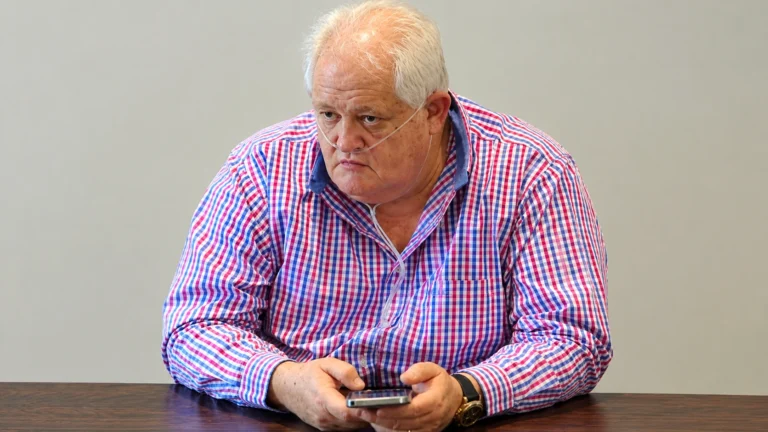
Roodt, who is Chief Economist at Efficient Wealth, spoke to Alec Hogg on Biznews. His message was simple. Rates are not going up, but the tax take is. He puts the difference down to a stronger and more aggressive SARS, plus a lucky boost from higher commodity prices.
He also raised a worry about the economy. In his view, government is closing the fiscal deficit by taking more money out of the economy, and not by spending less. That adds to the tax burden on households and businesses at a time when growth is already weak.
It is not an easy argument to ignore. A bigger tax bill does not need a new tax. It only needs better collection.
SARS collected more than planned
The numbers back up part of his point. By the end of September 2026, SARS had collected R15.5 billion more than it expected in the February budget. That is about 1.6% above target.
SARS says the extra money came mainly from strong corporate tax payments and lower than expected VAT refunds.
| Item | What was reported |
|---|---|
| Extra collection by end September 2026 | R15.5 billion |
| Above February budget estimate | About 1.6% |
| Extra spending allowed this year | About R45.5 billion |
| Expected growth in tax revenue | 6.1% |
Growth is the real problem
Roodt warns that squeezing more from existing taxpayers cannot go on forever. Lasting growth in revenue needs a growing economy.
The growth picture is not great. South Africa’s economy grew by 1.1% in 2025. Treasury first forecast 1.6% growth for 2026, but the MTBPS cut that to 1.2% because of tough global conditions. Roodt thinks even that may be too hopeful. He believes growth could land below 1%.
SARS agrees on one point. It said that lasting revenue growth depends on a stronger economy, more investment, more jobs and wider compliance. It also described the current results as proof that the revenue system is resilient.
SARS says compliance protects honest taxpayers
SARS looks at the same numbers very differently. Commissioner Johnstone Makhubu said that every rand recovered through compliance work protects honest taxpayers. In his view, it also strengthens government’s finances. He described compliance as one of the best tools for keeping the tax and customs system honest.
So there are two simple views here. Roodt sees a heavier burden on those who already pay. SARS sees fairness, with cheats being caught so that honest taxpayers do not carry the load.
Godongwana has set a tough goal. Tax revenue is expected to grow by 6.1%, and Makhubu said SARS will rise to the challenge. He added that the minister has asked all 14,500 SARS employees to help collect what the country needs.
You can read more about how revenue is collected on the SARS website.
Fuel relief and the petrol levy review
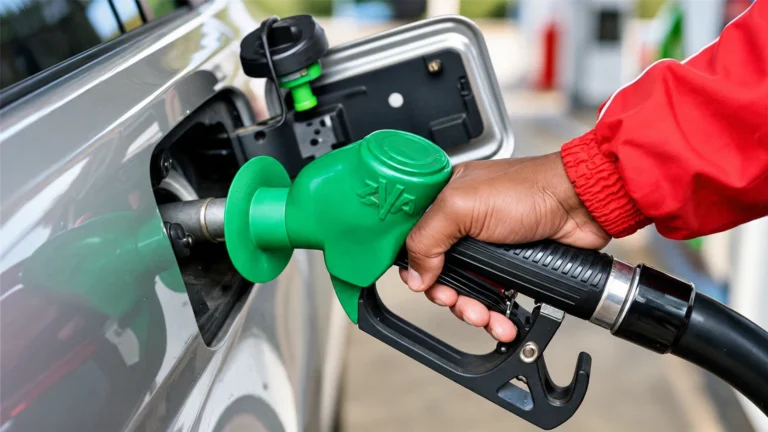
Fuel was one of the biggest talking points on the day. Godongwana announced a temporary cut to the general fuel levy from 4 November to 1 December 2026. Reports differ slightly on the exact split between petrol and diesel. One outlet reported cuts of R1.50 per litre for petrol and R3 for diesel. Others reported smaller figures for part of the period. Check the final numbers when they are officially confirmed.
This is the second time this year that Treasury has cut the levy to soften the blow of high oil prices. A earlier cut ran from April to June 2026.
Treasury’s director general, Duncan Pieterse, said fuel revenue is likely to be about R30 billion lower in the 2026/27 year because of the relief and changes in how people use fuel.
Most political parties welcomed the news. Even so, calls for a petrol levy review are getting louder. Rise Mzansi and the Good Party want a proper look at fuel levies. The Good Party says the general fuel levy now works as an ordinary tax and is not tied to any specific purpose. The ATM called the relief a piecemeal fix and wants the whole fuel pricing structure reworked.
For drivers, the message is simple. The break at the pump is welcome, but it is temporary. Whether a bigger petrol levy review follows is still unclear.
What it means for you
For ordinary South Africans, the picture is mixed. Here are the simple takeaways:
- No new general taxes were announced, and VAT is unchanged.
- SARS is collecting more than planned, mostly from companies.
- Economic growth is weak, and could slip even lower.
- Fuel relief is real but short, running only to early December.
- The online gambling tax will be explained in the 2027 budget.
It is easy to feel relieved when you hear that taxes are not going up. Roodt’s point is that relief on paper is not the same as relief in your pocket. A stronger SARS can raise more money without changing a single rate.
What happens next
All eyes now turn to the 2027 budget in February. That is when the gambling tax details should appear. It is also when Godongwana will show how Treasury plans to balance its books while growth stays slow.
For official budget documents, you can visit the National Treasury website.
In the meantime, the debate is clear. One side says taxpayers are being squeezed harder. The other says compliance is making things fairer. The simple truth is that both can be partly right, and only a stronger economy will settle the argument.
About the Author