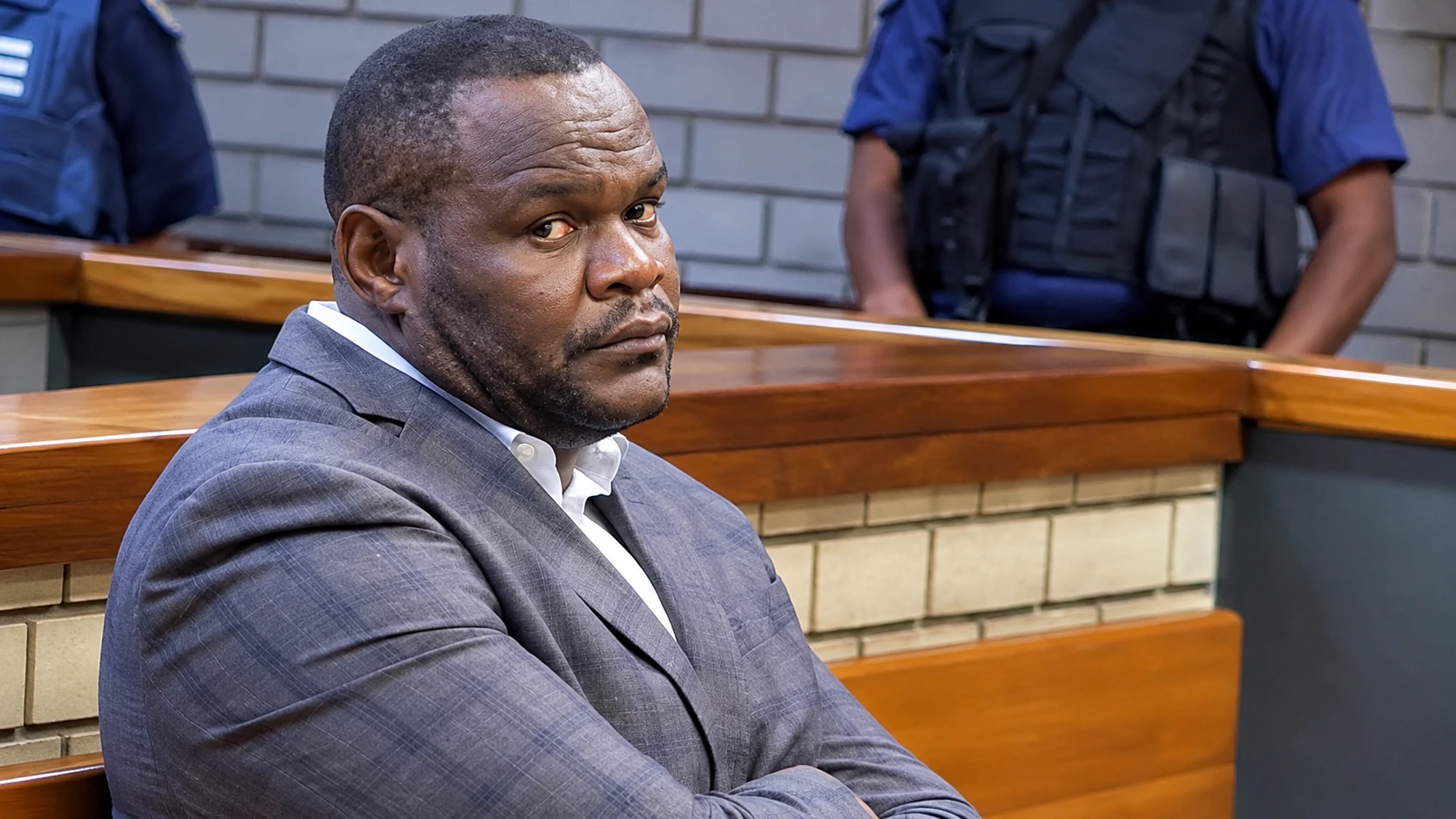
Fannie Nkosi has quit the South African Police Service. He did it just as an internal disciplinary hearing was getting close, and while a pile of criminal charges hangs over him. Police have confirmed they received his resignation letter.
A few months ago, most people had never heard his name. Then he took the stand at the Madlanga Commission, and everything changed. Now he sits on the other side of the courtroom as an accused person. Here’s a simple look at how we got here and what his exit really means.
What we know about the resignation
The news came out on Saturday, 24 October 2026. Police spokesperson Athlenda Mathe said the SAPS had received Nkosi’s resignation letter. She didn’t say much more than that.
Reports suggest he’d been thinking about leaving for a while. The timing fits. He was due to face a disciplinary process at work, linked to his appearance at the commission, and the charges there included misconduct. By resigning now, he steps away before that hearing can take its course.
That part is easy enough to follow. The bigger question is what happens next, because the court case hasn’t gone anywhere.
How Nkosi ended up in the spotlight
Nkosi was a sergeant in the Gauteng Organised Crime Unit. He was an ordinary name on a payroll until the Madlanga Commission of Inquiry called him to testify.
He spent eight days giving evidence. In that time, he described himself as a go between, someone who linked senior police officials to an alleged crime syndicate. His testimony also touched on his links to people tied to organised crime, and on tender dealings involving municipal officials.
Many South Africans sat up and paid attention. How does a sergeant end up so close to powerful people? The commission exists to dig into questions like that, especially around police corruption and criminal influence.
Suspension, raid and arrest
After his testimony, things moved quickly. The SAPS suspended Nkosi on 28 March 2026. Once suspended, he was supposed to hand back all police property, including his service pistol, ammunition and case dockets.
Then came the raid. A special task team set up to follow up on the commission’s work searched his home in Dorandia, Pretoria North. According to reports, they found a grenade, close to 500 rounds of ammunition, police equipment and case dockets. Some of those dockets were originals that belong in police archives, not in someone’s house. They also reported finding R50 000 in cash under a mattress.
He was arrested in early April 2026 and appeared in the Pretoria North Magistrate’s Court a few days later. His was one of the first arrests to come out of the commission’s follow up work. Police said those first charges were tied to what was found at his home, not directly to what he said at the commission.
The charges against him
Nkosi now faces charges of fraud, theft and defeating the ends of justice. Some relate to a drug case in Thohoyandou, Limpopo.
The allegation goes like this. In 2022, a suspect was arrested in Thohoyandou with dagga, unlicensed firearms and explosives. Nkosi then allegedly walked into the local police station and said he’d been sent by SAPS Head Office. He allegedly left with the original case docket. Investigators later said an exhibit bag containing dagga had been tampered with.
The commission’s investigative task team added these charges in May 2026. Later, the case was moved from the Thohoyandou court to the Pretoria High Court, so everything could be heard in one place.
Keep in mind that these are allegations. Nkosi is presumed innocent until a court decides otherwise, and he has every right to defend himself.
Bail and time behind bars
Nkosi has been in custody for months. The Pretoria North Magistrate’s Court refused him bail in April. The magistrate found he hadn’t proved he wouldn’t interfere with witnesses or try to escape prosecution. She also found he hadn’t shown his release wouldn’t harm the ongoing investigations.
He tried to fight that ruling. Reports say his bail appeal didn’t succeed, so he remains behind bars while the case moves along.
A quick look at the timeline
A table keeps the dates simple to follow.
| Date | What happened |
|---|---|
| March 2026 | Nkosi testifies at the Madlanga Commission for eight days |
| 28 March 2026 | He is suspended by the SAPS |
| Early April 2026 | Raid at his home, followed by his arrest |
| April 2026 | Bail is refused at the Pretoria North court |
| May 2026 | Fresh charges are added over the Thohoyandou docket |
| July 2026 | Case is moved to the Pretoria High Court |
| 24 October 2026 | SAPS confirms receipt of his resignation letter |
What does the resignation change?
The short answer is: not as much as you might think.
His resignation ends his job with the SAPS. It also means he won’t go through the internal hearing the usual way. But his criminal case carries on regardless. Those charges are separate from anything happening at work. Prosecutors still have to prove them, and Nkosi still has to answer in court.
Some people will also wonder about benefits and accountability. It’s a fair worry, because when an officer leaves before a hearing ends, it can feel like he slipped away. The SAPS hasn’t said anything on that point, so there’s no use guessing. What we do know is that the court process keeps running on its own track.
Why this story matters to South Africans
This isn’t only about one man. It’s about trust. We expect police officers to protect us and to look after case files properly. When a sergeant is accused of taking a docket and interfering in a case, that trust takes a knock.
The Madlanga Commission was set up to look into claims of corruption and criminal links inside the police. Nkosi’s matter is one of the first to reach the courts since its work began, so plenty of people are watching closely. They want to see whether the system can actually deliver.
It also shows how one witness can open a door. His testimony led to a raid, then an arrest, then a growing list of charges. However the case ends, it has already shaped the national conversation on police accountability.
Where to find official information
If you’d like updates straight from the police, visit the official South African Police Service website. To understand how complaints against police officers are handled, the Independent Police Investigative Directorate explains its role in plain language.
What happens next
Nkosi’s next steps will play out in the Pretoria High Court. More court dates are likely as the state builds its case and his lawyers prepare a defence. We’ll know more once trial dates are set.
For now, the facts are simple. Fannie Nkosi has resigned, and the SAPS has confirmed it. He still faces serious charges in court.
About the Author