The South African Weather Service (SAWS) has pushed its severe weather warning for KwaZulu Natal up to level 4. Storms are already rolling through the province, and officials aren’t downplaying it. A few other provinces are on alert too, just at a lower level.
The story is easy to follow once you strip it back. Here’s a simple look at what the warning means, who it affects and what you can do to stay safe.
What the warning says
SAWS says KwaZulu Natal could see flooding, damage to property and infrastructure, and even danger to life. The eThekwini Municipality confirmed that the warning covers Tuesday, 27 October, and runs into Wednesday.
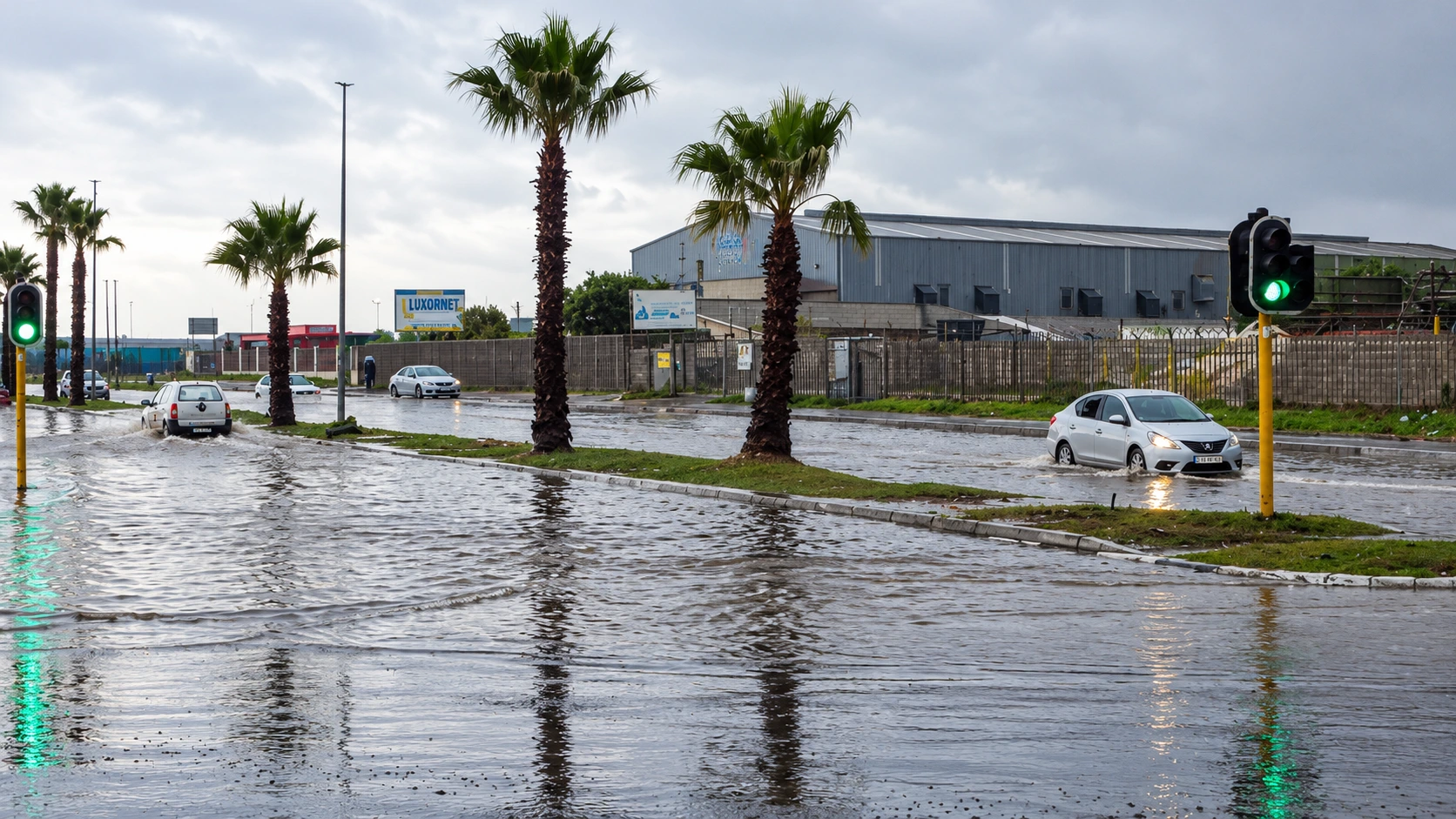
So what’s coming? Heavy downpours, hail and severe lightning. Together, they can flood settlements, roads and bridges. Homes can get damaged, and driving becomes a real struggle.
Plenty of people are searching for south africa severe thunderstorms lightning news right now, and it’s easy to understand why. A level 4 alert isn’t something you shrug off. It means daily life could be seriously disrupted.
This didn’t happen overnight. On Sunday, SAWS issued a level 2 warning for Monday. Then it lifted the KwaZulu Natal warning to level 4. Put simply, things got worse, not better.
What a level 4 warning means
SAWS uses impact based warnings. The level doesn’t only tell you how much rain to expect. It tells you how much harm the weather could do. The higher the level, the bigger the risk to people, homes and roads.
That’s why officials keep asking people to act early. Once water is already in your street, you’ve got very little time left. A simple rule helps here: if a warning is active, plan your day around it. For more on how the system works, visit the South African Weather Service website.
Durban and eThekwini on standby
Durban sits within the eThekwini Municipality, and the city has put its Disaster Management and Emergency Services teams on standby. In other words, crews are ready to move if floods or other emergencies hit.
Vincent Ngubane, who heads the eThekwini Disaster Management Directorate, asked residents to take the warning seriously. He spoke mainly to people living in low lying areas and informal settlements, where water can rise fast and do the most damage. He also asked people to skip unnecessary trips. And his message on rivers and flooded roads was blunt: don’t try to cross them.
If you’ve been following weather durban updates this week, keep that warning in mind. A forecast might look simple on your screen, but a level 4 alert means you should plan ahead. Anyone looking up weather durban today should start with official sources, since warnings can change at short notice.
A quick check of weather in durban today takes a few seconds on your phone. It’s an easy habit, and it could keep you out of trouble. Do it before you leave home, before the school run and before you head to work.
Other provinces under alert
KwaZulu Natal isn’t alone. SAWS has also issued a level 2 warning for the Eastern Cape, Mpumalanga and the lower reaches of Limpopo. That’s lower than level 4, but it still matters.
This table gives an easy overview.
| Province | Warning level | Main concern |
|---|---|---|
| KwaZulu Natal | Level 4 | Flooding, damage to property and infrastructure, danger to life |
| Eastern Cape | Level 2 | Localised flooding of roads, bridges and settlements |
| Mpumalanga | Level 2 | Localised flooding of roads, bridges and settlements |
| Lower Limpopo | Level 2 | Localised flooding of roads, bridges and settlements |
The level 2 warnings are about localised flooding of roads, bridges, settlements and low lying bridges after heavy rain. SAWS also pointed out that lightning could cause local disruptions to power supply and communications. You might also see slower traffic and trouble with municipal services.
Live outside KwaZulu Natal? Don’t switch off just yet. A short power cut or a blocked road can wreck your day. The simple takeaway is to stay alert and keep your plans flexible.
Safety steps you can follow
Officials have shared some clear advice. Here’s a simple checklist you can send to family and friends:
- Stay indoors and keep off the roads if you can.
- Never cross a river, stream or road when the water is above ankle height.
- If floodwater traps you in your car, get out and move to higher ground.
- Lift valuables above the level the water might reach.
- Keep children away from rivers and stormwater drains.
- Stay clear of open spaces and tall trees while lightning is around.
None of these steps is hard to remember, and every one of them cuts your risk. That makes them easy wins.
Driving and lightning: take extra care
Lightning is a big part of this warning. That’s why officials say to stay away from open spaces and tall trees. If you’re outside, get indoors. Then wait for the storm to pass before you go out again.
Expect poor driving conditions too. Heavy rain makes it harder to see, and roads can get slippery. If you have to drive, slow down and leave extra space between you and the next car. See water across the road? Don’t push through. Turn around and find another way.
Lightning can also knock out power and communication. So keep your phone charged and your family’s numbers close. An easy plan today beats a stressful scramble tomorrow.
How to stay informed
Things can change fast. Warnings can go up, come down or be extended. Your best bet is to stick with official sources and ignore the rumours that fly around on social media.
SAWS publishes the latest warnings on its website, and the eThekwini Municipality posts updates for Durban residents. When you want a quick today weather check, those two give you the most reliable picture. It’s a simple step, but lots of people skip it.
Share what you find with your neighbours, older relatives and anyone without internet access. One simple message can help protect a whole street.
The bottom line
A level 4 warning is a call to act. KwaZulu Natal is expecting flooding, hail and severe lightning, and eThekwini teams are standing by. Other provinces are under a level 2 warning for localised flooding and possible disruptions.
Stay inside if you can, keep away from flooded roads and check official updates often. Staying safe doesn’t have to be complicated. A few simple precautions and an easy routine can protect you and the people around you.
About the Author