If you get a social grant, here’s something worth knowing. The South African Social Security Agency (SASSA) says that switching your banking details too often could mean your money shows up late. And when you’re counting every rand, a late payment is no small thing.
The advice itself is simple. Find a bank account that works for you and keep it. Let’s look at what SASSA said, why it matters and how you can protect your payday.
What SASSA actually said
SASSA manages government grants for more than 19 million people. That’s a huge number, and it explains why the agency worries about anything that slows the system down.
According to SASSA, some beneficiaries change their bank accounts over and over. Often they do it just before payments are processed. That timing is where the trouble starts. A change made too late can miss the cutoff for the next payment cycle, and the grant then arrives later than expected.
SASSA spokesperson Paseka Letsatsi said every account change has to be verified, no exceptions. The point of the checks is to keep both beneficiaries and public money safe from fraud and identity theft.
Why a late change can cost you
Payday isn’t a single button that someone presses on the day. Payments are prepared ahead of time, and the details have to be settled before that work begins.
Say your new account details land after the run has started. The system has already moved on without you, so your grant waits for the next cycle. Updating the details may have taken you five minutes. The delay can still last much longer.
That’s why timing matters as much as the change itself. A simple switch at the wrong moment can leave a family waiting for money they’ve already planned to spend.
Every change must be checked
You might think a bank update should be quick and automatic. It would be easy if it worked that way, but SASSA says every change needs verification.
The reason comes down to safety. Grants are paid regularly and in large numbers, which makes them a target for criminals. If anyone could redirect a payment without being checked, stealing from vulnerable people would be far too easy.
So verification works in your favour. It confirms the account belongs to the right person and that the money goes where it should. The checks take time. SASSA also says they use staff and system resources, which adds to the workload.
Other money matters can suffer too
Letsatsi raised another point that people often forget. Frequent account changes can create problems with your other financial arrangements.
Many people link debit orders, savings or a funeral policy to the account that receives their grant. Change that account too often and those arrangements can break. You could end up with bank fees, missed payments or a policy that lapses.
So the damage isn’t limited to one late payment. A disruption to your grant can spill into the rest of your monthly budget. SASSA says repeated changes raise the risk of payment disruptions for exactly this reason.
The pressure on the system
The agency also says this isn’t only a personal issue. Repeated changes put strain on SASSA and the wider social assistance system.
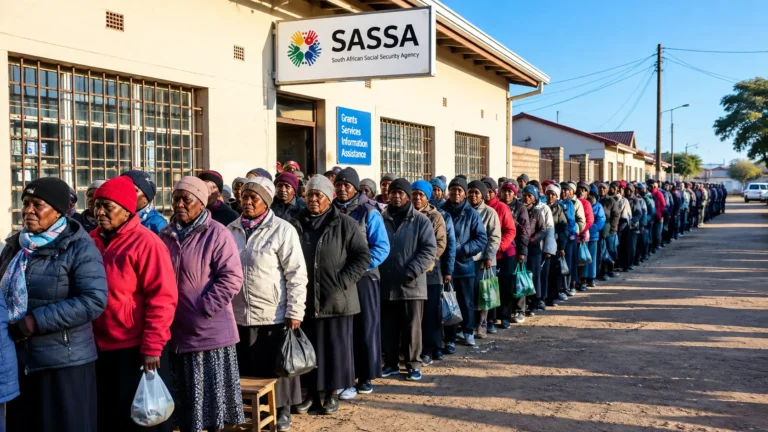
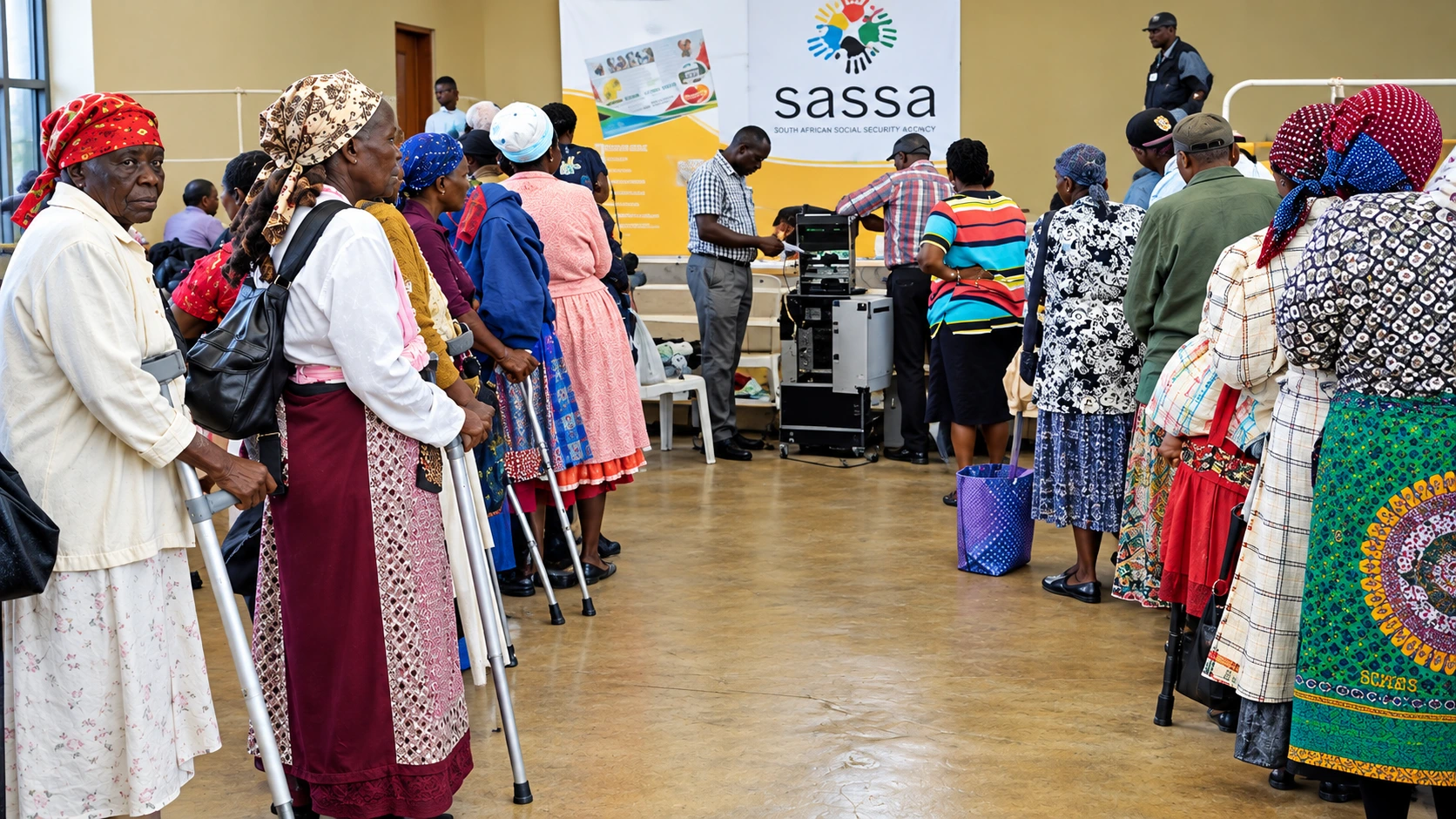
Each change means more verification work, and that pushes up administrative costs. It also brings more enquiries and more people at service points. The result is longer queues, and those affect everybody, including people who never changed a thing.
If you’ve ever stood in a long line at a SASSA office, you know how draining it is. Fewer unnecessary changes would help. It’s a simple way for beneficiaries to make things smoother for everyone.
What this means for you
You can’t always avoid a change. Banks close accounts, people move house and cards get lost. SASSA isn’t saying you may never update your details. The message is to avoid unnecessary or repeated changes and to watch your timing.
A few easy habits can help.
Think before you switch. Ask yourself whether you really need a new account. If your current one works well, leave it alone.
Plan early. Don’t wait until payday is around the corner. SASSA says changes close to the processing dates can miss the cutoff. An early change gives the agency time to verify it.
Double check your details. One wrong digit in an account number can cause a delay, just like a late change can.
Stick to official channels. Your banking details are sensitive information. Share them only with SASSA through its proper channels. You’ll find reliable updates on the official SASSA website.
Stay alert for strangers. If someone offers to “sort out” your grant for a fee, walk away. Real help from SASSA doesn’t cost you anything.
A quick look at good and risky habits
| Habit | Why it matters |
|---|---|
| Keeping one trusted bank account | Fewer checks and a lower chance of delays |
| Changing details well before payday | Gives SASSA time to verify the change |
| Changing details close to processing dates | You may miss the cutoff and be paid later |
| Switching accounts again and again | Raises fraud concerns and adds to queues |
| Sharing details only through official channels | Helps protect you from identity theft |
That’s the easy version. Stay consistent, plan early and keep your information private.
Why fraud is the real worry
It’s worth coming back to fraud and identity theft, because they’re the reason behind all these checks. Grants help millions of people buy food and cover basic needs. When that money goes missing, the people who can least afford it feel it most.
A bank account change is a moment of risk. If a criminal gets hold of your personal information, they might try to send your grant to an account they control. Verification is the safety net that stops this.
You can help by guarding your own details. Don’t share your ID number, your banking information or your PIN with people you don’t know and trust. If a call, message or visit feels off, stop and check with SASSA directly. The Department of Social Development also shares information about the grant system.
A short word on patience
Nobody likes waiting for money they need. It feels unfair when a grant is late because of a change you made with good intentions. Still, the checks exist for a reason, and they protect you as much as they protect the system.
The best approach is a simple one. Think before you change your banking details. Do it early, do it only when you have to and make sure everything you submit is correct. That gives you the best chance of getting your grant on time.
The bottom line
SASSA’s warning boils down to this: frequent changes to banking details can cause unavoidable payment delays. A change made close to payment processing dates can miss the cutoff and push your grant into a later cycle.
Every change has to be verified to guard against fraud and identity theft. That takes time, people and systems, and repeated changes add costs, enquiries and queues. They can also upset other financial arrangements tied to your account.
For beneficiaries, the lesson is easy to follow. Keep your account steady, plan ahead and use only official channels. A little care now can save you a lot of worry when payday comes.
About the Author