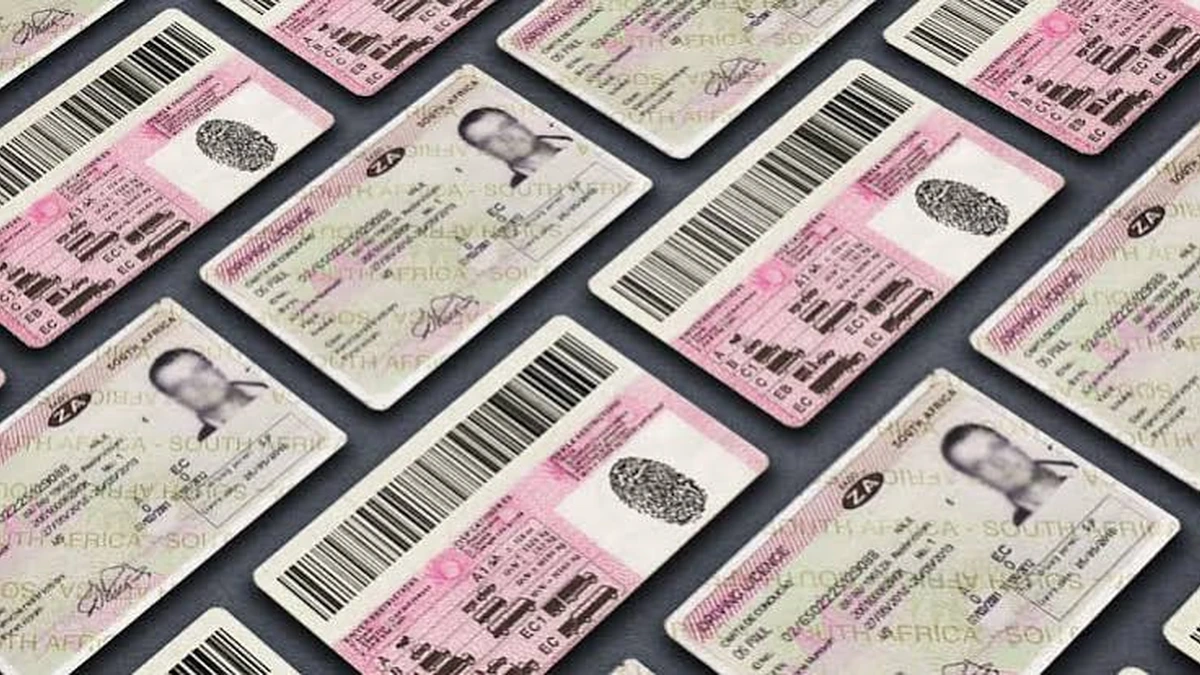
Many drivers dread the renewal queue. A proposed change could mean fewer of those trips. The Department of Transport has taken its plan to extend driving licence card validity from five years to 10 years to Parliament. It says the process is now just two steps away from becoming reality.
Here is a simple breakdown of what has been proposed, who it affects and what comes next.
What has the Department of Transport proposed?
Transport Minister Barbara Creecy gazetted the proposal on 17 August 2026. It would change how long a driving licence card stays valid in South Africa. Right now, the card lasts five years. Under the plan, many drivers would get double that time.
The proposal does not treat every driver the same. Light vehicle and motorcycle drivers get the longer period. Heavy vehicle drivers do not. It is an easy split to follow once you see it laid out:
| Licence code | Proposed card validity |
|---|---|
| A, A1, B and EB | 10 years |
| C1, C, EC1 and EC | 5 years |
| Professional Driving Permits | 2 years |
The ten year period would run from the date the card is ordered from the Card Production Facility. That detail matters. The clock starts when the order is placed, not when you collect the card.
Codes A, A1, B and EB cover motorcycles and ordinary light vehicles, so most private motorists fall in the first group. If you drive a car to work, take the kids to school or run errands on weekends, this is the group you are in.
The second group covers heavier vehicles. For these codes, the card stays valid for five years, so nothing changes for those drivers. The Professional Driving Permit stays at two years as well.
Why the extra controls for heavy and professional drivers?
The department says the new system will keep stricter controls on heavy and professional drivers. That makes sense. These drivers spend long hours on the road and often carry passengers or freight. Regular checks on their fitness to drive are a safety matter for everyone sharing the road.
For ordinary motorists, the department sees less need for such frequent checks. That is why the longer period applies to the light vehicle and motorcycle codes only.
Your licence does not expire, but your card does
This part confuses many South Africans, so here it is in plain terms. Your driving licence is permanent. It does not expire. What expires is the card in your wallet.
The department explains that the card has a limited life for one main reason: to make sure licence holders remain qualified to drive. When you apply for a new card, an eye test is done to confirm you are not disqualified from holding a licence. You must also sign a declaration on the application form. In it, you state that you are not disqualified from continuing to hold your licence.
So the renewal process works as a regular check. The five year period was set to make sure those checks happen often enough. Under the proposal, light vehicle drivers would go through them every ten years instead.
Why is the government making this change?
The department gives a few reasons.
First, it wants to modernise the way driving licence cards are renewed. Second, it hopes to reduce renewal pressure and backlogs. Anyone who has waited in a long line at a licensing centre will understand why that matters. If light vehicle drivers renew once every ten years instead of every five, the number of renewals at any given time could drop. That should make life easier for drivers and for the officials serving them.
Third, the department says the change would align South Africa with international best practice. In other words, a longer validity period is in line with what is done elsewhere, while the stricter rules for heavy and professional drivers stay in place.
What does this mean for the cost of a licence card?
There is a catch, and the department has been open about it. A longer validity period means fewer renewals. Fewer renewals means less income for the Card Production Facility, which makes the cards.
To deal with this, the Minister has asked the facility to build a pricing model. The department says the model will help decide on acceptable ways of costing and on possible future adjustments. These would be linked to the longer validity period.
The department has not announced any new price. But the wording suggests that card prices could change at some point. If a card has to cover ten years of costs instead of five, it is fair to expect that the fee may be reviewed. Drivers should keep an eye on official announcements for any new amounts.
A new type of card is coming
The proposal also includes a change to the card itself. The current laminated paper card will be replaced by a polycarbonate card.
According to the department, this new card is better suited to a longer validity period. That is a practical point. A card that must last ten years has to be tougher than one made to last five. Anyone who has seen a worn, faded licence card knows why. A sturdier card should hold up better in wallets, pockets and glove compartments over the years.
Where does the process stand now?
The proposal has already gone through several stages.
- The Minister gazetted the proposed change in August 2026.
- The public was invited to comment, and the comment period closed in September.
- The department is now working through the feedback it received.
Two steps remain. First, the amended regulations will be resubmitted to Cabinet for approval. Second, the Minister of Transport will publish the change in the National Road Traffic Regulations. Only then will the new rules become official.
The department has not given dates for these final steps. So it is too early to say when the ten year card will be available. Until the regulations are final, nothing changes for drivers.
What should drivers do in the meantime?
The answer is simple. Carry on as usual. The proposed ten year period is not yet law. Your current card is valid for the period printed on it, and the existing rules still apply.
If your card is about to expire, do not wait for the new rules. Renewing on time is the safest option. Driving with an expired card can cause trouble at roadblocks and in other situations where you need to show your licence. Because the changes are not yet in force, you cannot count on them to cover you.
Here are a few easy steps to stay prepared:
- Check the expiry date on your card now.
- Book your eye test and gather your documents early if renewal is near.
- Follow official updates from the Department of Transport, which you can find on the official Department of Transport website.
- Be wary of rumours about new fees or dates until they are confirmed by government.
For general information about licences and other government services, you can also visit the South African government portal.
What this could mean for ordinary South Africans
If the proposal goes ahead as planned, the benefits for light vehicle drivers are easy to see. Fewer renewals mean fewer trips to licensing centres, fewer days off work and less time in queues. The new polycarbonate card should also be more durable.
There is a trade off, though. A longer validity period may come with a different price tag. Until the pricing model is finalised, nobody knows how large any change might be. So the good news is real, but it comes with questions that still need answers.
For heavy vehicle drivers and professional drivers, the picture is simpler. Their card validity stays the same. The Professional Driving Permit also stays at two years.
The bottom line
The plan to extend driving licence card validity from five to ten years for codes A, A1, B and EB is moving forward. It has been gazetted, opened for public comment and presented to Parliament. Now the department is going through the feedback. After that, Cabinet approval and final publication by the Minister are all that remain.
For now, keep renewing your card on time and watch for official updates. If the plan is finalised, millions of motorists could see fewer renewals, shorter queues and a tougher new card. Just keep in mind that the final price is still unknown.
About the Author