Level 2 is now in force across the capital, and residents are being told to use less water straight away. Here is what we know, what it could cost you, and how to cut your usage without much effort.
What happened
The City of Tshwane announced Level 2 water restrictions on 10 November 2026. They took effect immediately.
City spokesperson Lindela Mashigo said demand for water has been rising. At the same time, storage levels in the Rand Water bulk supply system have been falling. The city says the new rules are meant to ease the pressure.
The move was not made by Tshwane alone. The Gauteng Department of Cooperative Governance and Traditional Affairs has told municipalities that buy water from Rand Water to bring in and enforce Level 2 rules. The aim is to protect the regional supply system.
So if you live in Pretoria, Centurion or any other part of the metro, these tshwane water restrictions apply to you.
Why the rules were tightened
The reasoning is simple. When people use more water than the system is meant to deliver, reservoirs drop. When reservoirs drop too low, pressure falls. Higher areas lose supply first, and in a severe case whole suburbs can go dry.
Restrictions slow that slide. They give reservoirs time to recover and help the system keep up with daily demand. It is much easier to cut back now than to live with long outages later.
South Africans know this story well. Gauteng has dealt with supply trouble for several seasons, and summer heat pushes consumption even higher. That is why the city is asking everyone to treat this as a shared effort.
What Level 2 means for residents
The city says the new rules also bring in the approved Level 2 tariffs. These are meant to reward careful use and discourage waste.
In other words, the restrictions affect your bill as well as your habits. Households that stay within the lower consumption bands should feel little difference. Heavy users could feel it quickly.
The full list of Level 2 rules is on the City of Tshwane’s official channels, and it is worth reading it yourself. For context, Level 1 already banned several common habits:
- Watering gardens between 6am and 6pm
- Topping up swimming pools and water features
- Using a hosepipe to wash cars, driveways or patios
Level 2 is a step up from Level 1. Do not assume the old rules are enough. Treat the Level 1 list as your starting point and check the city’s notice for anything stricter.
How tariffs could change your bill
The city’s tariff table shows how Level 2 can hit the pocket. An earlier report in The Citizen compared Level 1 and Level 2 charges for the same usage:
| Usage | Level 1 | Level 2 |
|---|---|---|
| 25 kilolitres in a month | R785.63 | R1,015.95 |
| Above 60 kilolitres, per kilolitre | R51.70 | R103.38 |
Please note that these figures come from a previous city tariff table. Check the current rates on your municipal account or on the city’s website before you plan your budget.
Still, the message is easy to read. The more you use, the more each extra kilolitre costs. For large households, businesses and properties with big gardens or pools, the difference can be sharp.
Simple ways to cut your water use
You do not need a big lifestyle change. A few small steps add up fast across a whole street.
In the bathroom
- Keep showers short. Even two minutes less makes a difference.
- Close the tap while you brush your teeth or shave.
- Only flush when you need to, and check the cistern for leaks.
In the kitchen and laundry
- Run the dishwasher and washing machine only with full loads.
- Do not rinse dishes under a running tap. Use a basin.
- Reuse cooking or rinsing water for plants where it is safe to do so.
Outside the house
- Follow the garden rules in the city notice.
- Sweep driveways and patios with a broom, not a hosepipe.
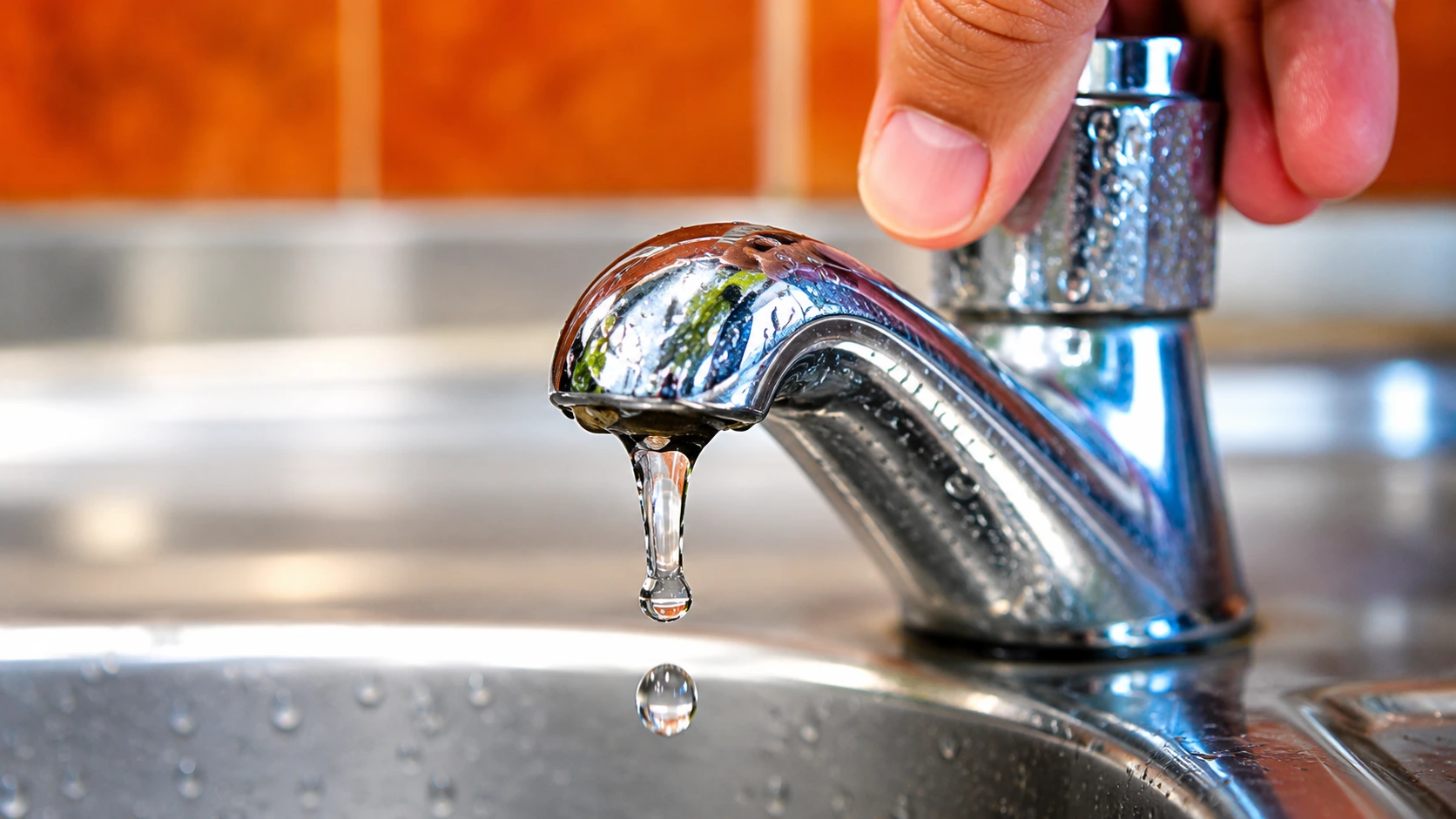
- Fix dripping taps and leaking pipes. A small leak can waste hundreds of litres a day.
One of the easiest wins is checking your meter. Write down the reading before bed, and again in the morning without using any water overnight. If the number moved, you probably have a leak.
Check your meter and your bill
Many households only notice a leak when the bill arrives. With Level 2 tariffs now active, that surprise could be bigger than usual.
A simple habit helps. Read your meter once a week and compare the numbers. If usage jumps without a good reason, look for a hidden leak. Underground pipes, toilet cisterns and garden taps are the usual suspects.
If you suspect a fault on the city’s side, such as a burst main or low pressure in your street, report it to the municipality through its official channels.
What about businesses and landlords?
Shops, restaurants, car washes, schools and large housing complexes use a lot of water, so the restrictions matter for them too. Higher tariffs make waste more expensive, and tshwane water restrictions apply across the metro, not only to private homes.
Landlords and body corporates should remind tenants and residents of the rules. A shared meter means one careless user can push up the cost for everyone. Clear notices on noticeboards and in group chats cost nothing and help a lot.
How long will the restrictions last?
Reports say the restrictions are intended to run for about a month, but that is not a guarantee. The city has not tied them to a fixed date. They are expected to stay until the supply system stabilises.
Rand Water, which supplies bulk water to the metro, has said in past episodes that it reviews conditions regularly and adjusts the level as needed. If consumption drops and reservoirs recover, the rules can ease. If demand stays high, they could get tougher.
That means the speed of relief is partly in residents’ hands. Lower use means a faster return to normal.
Where to get official information
Always rely on official sources when rules are changing. You can find updates on the City of Tshwane’s website and social media pages. For information about the bulk supply system, visit Rand Water. For national guidance on saving water, the Department of Water and Sanitation is a trusted source.
Be careful with messages forwarded on WhatsApp. Rumours about outages and fines spread fast, and many are wrong. Check the city’s notice before you act or share.
What to do now
If you want a simple plan, follow these steps this week:
- Read the official Level 2 notice from the City of Tshwane.
- Stop any garden watering or pool topping up that the rules do not allow.
- Check your meter for leaks.
- Talk to your household or tenants about shorter showers and full loads only.
- Keep an eye on your next bill and compare it with the current tariffs.
The bottom line
Level 2 is the city’s response to rising demand and falling storage in the bulk system. The rules came into force immediately after the 10 November 2026 announcement, and higher tariffs now apply. Nobody enjoys restrictions, but they are far better than dry taps.
The good news is that saving water is easy when everyone joins in. Small habits, repeated across thousands of homes, can protect supply for the whole capital. Stay informed, use less, and check the city’s official channels for changes.
About the Author