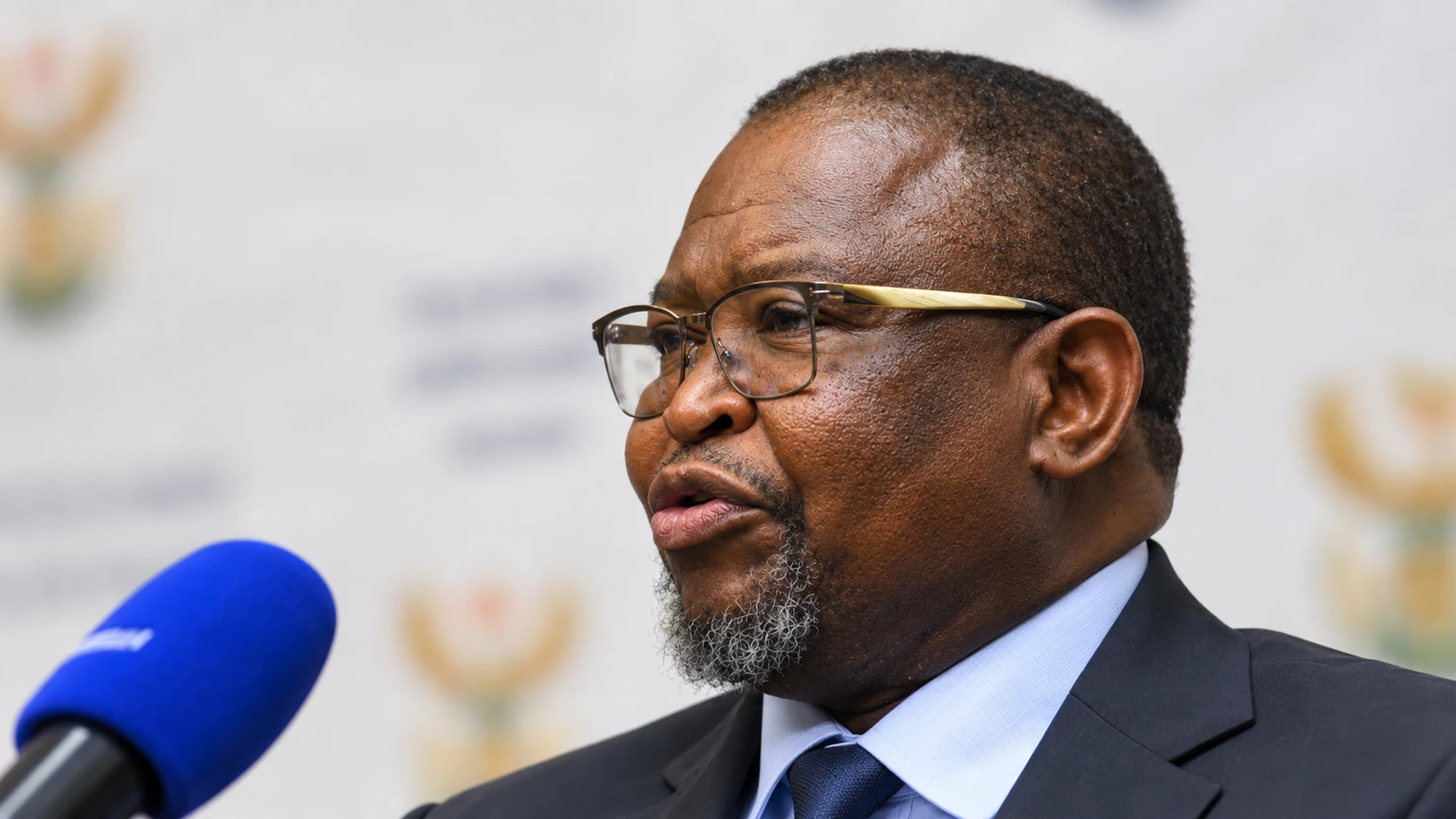
Finance Minister Enoch Godongwana tables the Medium Term Budget Policy Statement in Parliament today, Wednesday 21 October 2026. Most people call it the mini budget. The mood going into the speech is more hopeful than many expected. Tax collections are running ahead of plan, and analysts say this could give the economy some much needed breathing room.
This is a simple guide to the numbers, what experts expect and why it matters for your pocket. We have tried to keep it easy to follow.
What the mini budget actually is
The mini budget updates the February Budget about halfway through the financial year. It checks how much money government has collected, how much it has spent and whether the plans still hold.
It does not usually announce new tax rates. Those come in February. Godongwana also promised not to raise taxes in 2026, and many observers want to see whether that promise survives the pressure on the economy. The statement is due in the National Assembly at 14:00. You can read the full documents on the National Treasury website once they are published.
Why tax revenue is the big story
The best news ahead of the speech is on the revenue side. Analysts say government is collecting more than it planned for in February.
One analyst note estimates that revenue for 2026/27 could end up R70 billion above budget assumptions. A big part of that comes from corporate tax paid by gold and other precious metals companies. Higher metal prices lifted profits, and bigger profits mean bigger tax bills.
Johann Els, chief economist at PSG, is a little more careful. He says the overrun could reach R50 billion or more. He also points out that the gains are not only from mining. Personal income tax and VAT are doing better too.
It is easy to see why this matters. When government collects more than planned, it can borrow less, spend more on priorities, or do a bit of both.
Els also expects Treasury to hold back. In his view, it is unlikely to build the full overrun into its forward plans. That is a simple and sensible rule, because mining profits can swing quickly when commodity prices fall.
The numbers behind the south africa mini budget predictions
Many people ask what to expect. The south africa mini budget predictions revolve around the budget deficit, which is the gap between what government spends and what it collects. A smaller gap means less borrowing.
Here is a simple look at the main figures that economists and analysts have shared.
| Item | What was reported or expected | Earlier position |
|---|---|---|
| Deficit for 2026/27 | About 3.5% of GDP, with an upside case near 3.0% | 4.0% projected in the February Budget |
| Revenue above budget | R50 billion or more (PSG), R70 billion (another analyst note) | February Budget assumptions |
| Spending after five months | 42% of the yearly budget | 41% at the same point last year |
| Preliminary deficit after five months | R189 billion | R125 billion, which is five twelfths of the R301 billion budgeted |
The last two rows show why nobody is celebrating just yet. Investec notes that the deficit is running wider than budgeted so far this year. It warns that if spending keeps running ahead of plan, the full year deficit could drift closer to 4.1% of GDP.
In other words, the revenue windfall is real, but spending is also climbing. The final picture depends on whether Treasury keeps a tight grip on the expenditure side.
Credit ratings and the cost of debt
Another reason for optimism is the country’s credit rating story. S&P upgraded South Africa in November 2025, and Fitch followed in June 2026. Els believes a good, careful mini budget could lead to further upgrades from Moody’s or S&P later this year or early next year.
An upgrade is not a simple feel good headline. A better rating usually lowers the cost of borrowing over time, and that frees up money for services.
That relief is badly needed. Government budgeted about R420.6 billion for debt service costs in 2025/26. That is roughly 21% of revenue, or about one rand in every five. Els stresses that the rating progress is real, but it has not created room for big new spending.
On the debt side, Treasury’s 2026 Budget Review projected gross debt to peak at 78.9% of GDP in 2025/26 and then start to fall. The February Budget also pointed to total debt of 77.3% of GDP this year. Analysts will check whether these targets still look believable.
The pressure on growth and household budgets
Not everything is positive. The South African Institute of Taxation has described this mini budget as a test of resilience. It points to slow growth, a fuel price shock and two interest rate hikes.
The growth numbers show why. The February Budget forecast growth of 1.6% for 2026. The economy then shrank by 0.2% in the second quarter, and the Reserve Bank now expects about 1.2%. The institute expects growth to slip below 1%.
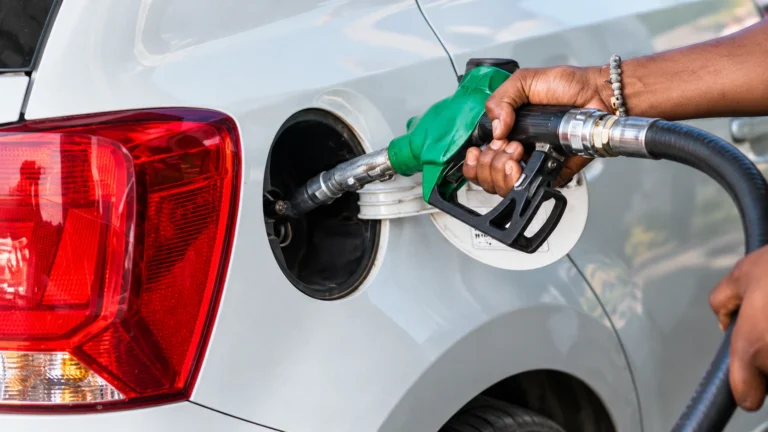
Fuel is a second headache. Reports say oil prices are above $100 a barrel, and petrol passed R30 a litre in October. Earlier this year, Godongwana gave up about R17.2 billion in revenue through temporary fuel relief from April to June. Media reports also say government is working on a new fuel relief plan worth around R10 billion. That plan has not been confirmed by Treasury, so treat it with care until the minister speaks.
For households, this is the easy part to understand. Dearer fuel pushes up transport and food costs. Weak growth means fewer jobs and slower income gains. A healthy tax windfall on paper does not always feel healthy at the till.
What happened at last year’s mini budget
A quick look back helps put today in context. In November 2025, Godongwana reported a revenue overrun of R19.7 billion. He said stronger household spending lifted VAT collections, and corporate tax and dividend tax also improved. Lower than expected VAT refunds helped too.
Government then proposed about R15.8 billion in extra spending. That included R4 billion to strengthen SARS collections, R2 billion to rebuild Parliament and R1 billion for the Independent Electoral Commission ahead of the 2026 municipal elections. You can follow how tax collection is performing through the South African Revenue Service.
This year’s windfall looks larger, which raises a simple question. Will government save more of it this time, or will spending demands soak it up again?
What to watch in the speech
Because the mini budget rarely changes tax rates, the real news sits in the details. Here are the key things to listen for:
- The deficit figure for 2026/27 and whether it lands near 3.5% of GDP.
- The debt path and whether Treasury still shows debt stabilising.
- New spending allocations, especially any extra money for fuel relief.
- The growth forecast, which may be cut from the 1.6% pencilled in earlier.
- Any signal on taxes for the February 2027 Budget.
Markets will watch these figures closely. Analysts also say that neither the Government of National Unity nor the public has much appetite for paying for new spending through tax increases. That leaves Treasury with no easy choices.
What it means for you
For most South Africans, the mini budget will not change this month’s payslip. Still, the decisions made today shape the year ahead.
A smaller deficit and a better credit rating could slowly bring lower borrowing costs for government, and eventually for the wider economy. On the other hand, weak growth and high fuel prices can keep pressure on families and small businesses.
The simple message is that the tax revenue picture is better than expected, but the economy is still fragile. Treasury now has to show it can turn a short term windfall into lasting improvement. It is not an easy task, and the numbers in today’s statement will show how serious government is about doing it.
About the Author