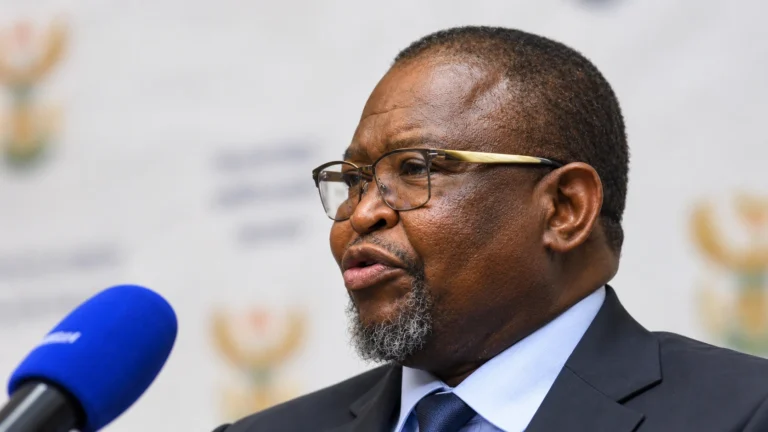
Petrol price relief announced for South Africa, and if you’ve been wincing every time you fill up, this one’s for you. Finance Minister Enoch Godongwana has confirmed a temporary cut to the fuel levy, and it kicks in on 4 November 2026. After months of climbing prices, drivers finally get a bit of breathing room. Here’s a simple rundown of what’s changing, who gets the most help and why the pain isn’t over yet.
A simple look at the new levy cuts
Godongwana announced a fresh round of temporary fuel relief, and it happens in two stages. The dates are easy to follow once you see them side by side.
| Period | Petrol levy cut | Diesel levy cut |
|---|---|---|
| 4 November 2026 to 1 December 2026 | R1.50 per litre | R3 per litre |
| After 1 December 2026 until 5 January 2027 | R1 per litre | R1.50 per litre |
Quick refresher on the fuel levy: it’s a tax built into every litre of petrol and diesel you buy. Trim the tax, and the pump price should come down with it, all else being equal.
Notice who benefits most. Diesel gets the bigger cut, while petrol gets a smaller one. And the help is strongest in the first month, then it shrinks.
Treasury says the plan adds up to about R10 billion in support. That’s also what it costs the state, because it’s revenue the government won’t collect. Many people skip over that detail, yet it explains why the relief only lasts a short while.
How will government pay for it?
The money comes from a shuffle behind the scenes. The R10 billion that was moved to the Central Energy Fund will go back to the National Revenue Fund, and then it will be parked in the Contingency Reserve. It’s a simple switch between government accounts.
According to Godongwana, this should ease cost of living pressure without harming the sustainability of the budget. In everyday terms, Treasury wants to help households and businesses without leaving the national books in a mess. If you’d like to keep an eye on budget news yourself, the National Treasury website is an easy place to begin.
Why drivers needed help
Look at what happened in October. A R3.33 hike pushed petrol past R30 per litre for the first time ever, and both petrol and diesel landed on record highs. Even worse, another big increase was already on the way for November before this announcement came.
The Central Energy Fund’s numbers up to 20 October showed average under recoveries of roughly R1.52 per litre for petrol 95 and R1.25 per litre for diesel. An under recovery is simply the gap between what fuel costs to bring in and what the current price covers. When that gap grows, a price hike usually follows. The Central Energy Fund website has more on how the fund works.
Treasury has done this before. Back in April, it knocked R3 per litre off the general fuel levy, so the latest move isn’t a first.
Then there’s the bigger picture. Ever since the war involving the US and Iran broke out in February and March, prices have been hard to ignore. Petrol went up in March, April, May, June, September and October, with small dips in July and August. Add it all up and petrol is about R10.15 per litre higher, while diesel has climbed about R14.84 per litre, and that’s before the November changes.
Will petrol still hit a record high?
Unfortunately, the relief doesn’t solve everything. At current levels, the November cut can’t fully erase the petrol under recovery. It leaves petrol about 2 cents per litre short. If the numbers stay put or get worse, petrol prices could still reach another record high.
Diesel is in better shape. The R3 per litre relief is expected to turn a looming hike into a price cut.
This table gives you a simple view of recent prices and where November is heading. The diesel figures are wholesale prices.
| Month (2026) | Petrol 95 | Diesel 0.005% |
|---|---|---|
| March | R20.30 | R18.60 |
| April | R23.36 | R26.11 |
| May | R26.63 | R31.88 |
| June | R28.06 | R29.26 |
| July | R26.10 | R25.67 |
| August | R25.58 | R26.90 |
| September | R26.92 | R30.05 |
| October | R30.25 | R33.29 |
| November (projected) | R30.27 | R31.53 |
Keep in mind that the November row is only a projection. It combines the expected recoveries with Treasury’s relief, so the final prices may still shift. It’s easy to read those figures as fixed, but they aren’t.
Even with the cut, we’re nowhere near where we started. Petrol still sits more than R10 per litre above its pre war level, and diesel is more than R13 per litre higher once the relief is counted.
What this means for ordinary South Africans
Fuel touches almost everything. It decides what you spend getting to work, dropping the kids at school and, for plenty of businesses, moving goods from A to B. So even a modest cut will be welcomed. That said, this isn’t an easy period for drivers, and the relief won’t reverse months of increases.
Consumers and various groups have been asking for this kind of help for a while, and Treasury has now stepped in. Just remember the relief is only set to run until 5 January 2027. Think of it as short term breathing space and not a permanent fix.
Meanwhile, a few simple habits can help. Watch the official monthly fuel price announcements so nothing catches you off guard. Combine errands to avoid extra kilometres. Check your tyre pressure now and then. None of this will change the price at the pump, but small habits are easy to start and they add up over a month.
The bottom line
So here’s where things stand. Petrol price relief announced for South Africa means a R1.50 per litre levy cut on petrol and R3 per litre on diesel from 4 November 2026, followed by smaller cuts until 5 January 2027. It will cost the state about R10 billion in revenue, and the money comes from the Central Energy Fund.
Diesel drivers should see a genuine price cut. Petrol drivers get some cushioning, though not a full escape from higher prices. The simple truth is that fuel stays expensive, and a lot depends on the next round of recovery data. For now, it’s good news worth welcoming.
About the Author