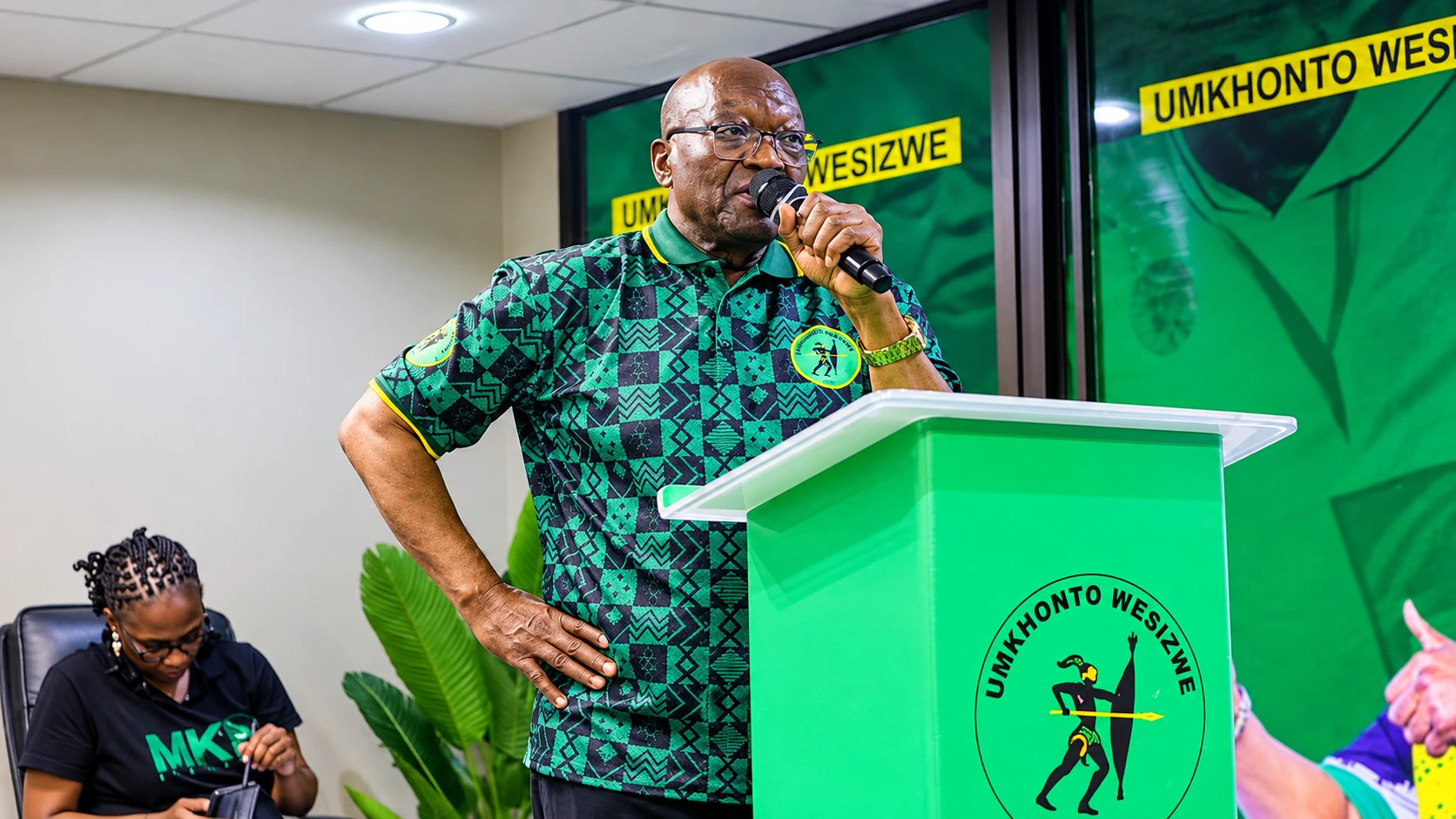
Jacob Zuma is back in the public eye, and he’s got a message. The MK Party leader says his movement is ready to take over, just days before South Africans vote in the local government elections on 4 November. People are paying attention because Zuma went quiet for weeks, and the rumours about his health kept growing.
What Zuma actually said
On Friday night, 30 October, the party put out a video of Zuma on its social media pages. It was his first public appearance in almost a month. Oddly, he spoke only in English. Usually he switches between English and isiZulu.
He didn’t say much about his health. When he touched on his time away, he simply said he’d been “somewhere”. Then he asked people to go out and vote, and to vote for uMkhonto weSizwe. He said the party has built a big core of South Africans who want to take back the country.
The message was simple enough. The timing, though, is what made people sit up.
Why his absence became a story
Zuma is 84 years old. The party says he spent 11 days in a Pietermaritzburg hospital after his doctors advised rest for fatigue. While he was there, he vanished from the campaign trail, and social media was quick to fill the silence with guesses.
When a party leans so heavily on one famous face, that face going missing is a big deal. Supporters want to see him. Critics start asking if the party can cope without him. The video was an easy way to settle the first worry. The second one is still hanging in the air.
A first test for the MK Party
This is the party’s first municipal election. It was launched in December 2023 and then rocked national politics in 2024 by winning the biggest share of the vote in KwaZulu Natal. But local government is a different game. Nobody cares much about big speeches here. People want water, electricity, roads and rubbish collection that actually works.
Polls suggest MK could land around 13% of the overall vote on Wednesday. A few polls also say it could finish first in eThekwini, the Durban metro. Finishing first doesn’t mean it can govern alone, though, and analysts disagree on whether it can get a majority there.
On paper, the party does have a plan. Its manifesto promises to work towards 400,000 full time jobs in MK run municipalities over five years. That’s a big number. Whether councils can afford it is a fair question, because many are already struggling with money.
What “ready to take over” really means
Let’s keep this real. A municipal election can’t hand anyone the country. Voters are picking ward councillors and councils, not a president.
So when Zuma says MK is ready to take over, he really means it wants as many municipalities as it can win. That’s still a serious goal. It’s just a lot smaller than the slogan makes it sound.
Trouble inside the party
The run up hasn’t been smooth. Reports say the party removed its Secretary General, Sbonelo Nomvalo, after worries about candidate list manipulation and the way councillors were picked. Duduzane Zuma says investigations into list tampering are underway, though he admits some of it will only be sorted out after the elections.
This matters to ordinary people more than it might seem. Those lists decide who ends up making calls about your street, your clinic and your bins. If the lists are shaky, so is trust.
How coalitions could decide everything
South African politics runs on coalitions these days. Plenty of councils end up with no clear winner, so parties have to do deals just to choose a mayor.
Take eThekwini. If MK comes first but falls short of a majority, it will need other councillors to back its pick for mayor. That could get messy. Parties that spent weeks attacking each other don’t always find it easy to sit down and cooperate.
There’s a provincial side too. MK isn’t part of the government of provincial unity in KwaZulu Natal, which is made up of the ANC, IFP, DA and the National Freedom Party. A strong MK result in the municipalities could change how councils and the province deal with each other, according to analysts.
Quick look at the key facts
| Detail | What we know |
|---|---|
| Election date | 4 November 2026 |
| Type of election | Local government (municipal) |
| MK Party founded | December 2023 |
| Zuma’s age | 84 |
| Time in hospital | 11 days, according to the party |
| Poll estimate for MK | Around 13% overall |
| Key battleground | eThekwini (Durban) |
| Next Zuma event | Princess Magogo Stadium, KwaMashu, Sunday 1 November |
What this could mean going forward
For one thing, the result will show if MK’s win in 2024 was a one time shock or the start of something lasting. Some analysts have warned that the party can’t keep leaning on Zuma’s personality and an anti ANC message forever. These elections will put that to the test.
Then there’s the hard part. Governing is tougher than campaigning. If MK wins councils, it takes on the budgets, the staff, the tenders and the broken services too. Voters won’t care about slogans at that point. They’ll care about whether the potholes got fixed and the taps are running.
The leadership question also won’t fade. Zuma is expected to speak to supporters on Sunday, 1 November, in KwaMashu, three days before voting. People will be watching how he looks and sounds.
And if no party wins clearly in some big metros, expect weeks of coalition talks once the votes are counted. For residents who just want basic services, that kind of waiting is no fun.
What voters can do
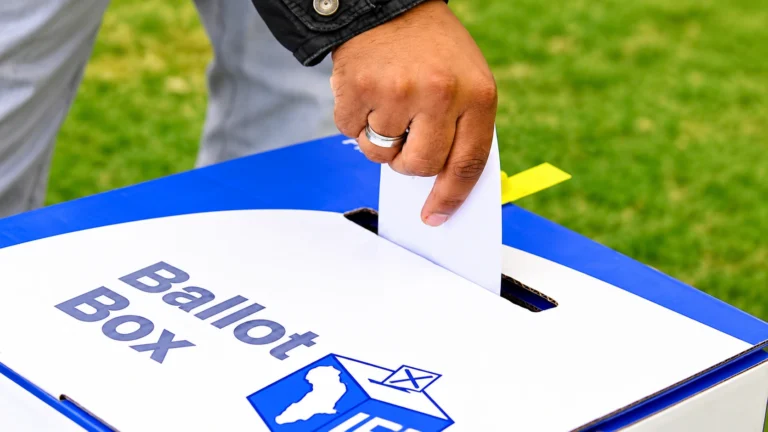
Thinking of voting? It’s an easy process. Make sure you’re registered, know where your voting station is, and take your ID along. The Electoral Commission of South Africa has everything you need on its official website. A quick check now can save you trouble on the day.
And remember, Wednesday’s vote decides who runs your local council for the next few years. Read what each party is promising, and ask how it plans to pay for it.
The bottom line
Zuma’s message was short, but it did what it was meant to do. It told supporters he’s back and that MK wants power at local level. It didn’t answer the bigger questions about his health, the party’s internal problems, or whether it can deliver.
On 4 November, voters get the final word. Until then, “ready to take over” is only a claim.
About the Author