South Africa and Rwanda are about to lose a trade perk they have enjoyed for years. On Monday, 2 November 2026, the US Trade Representative confirmed that Trump wants both countries out of the programme from 1 January 2027. Exporters had been hoping for a better outcome. Many now have just two months to work out what comes next.
What is AGOA?
Quick background for anyone who has only seen the word in headlines. What is AGOA, exactly? It is short for the African Growth and Opportunity Act, a US law that lets approved African countries send certain products to America without the normal import duties. Cheaper entry means a better shot at winning buyers.
The law has been around for roughly 25 years. It now runs until the end of 2028, but each country gets checked once a year. Fail the check and you can be dropped.
On paper the conditions are simple. Open your market to US business. Respect the rule of law. Deal with corruption. Protect human rights. Do not work against American foreign policy or security interests. South Africa has been the biggest user of the scheme for ages, so a decision like this was never going to pass quietly.
What Trump decided
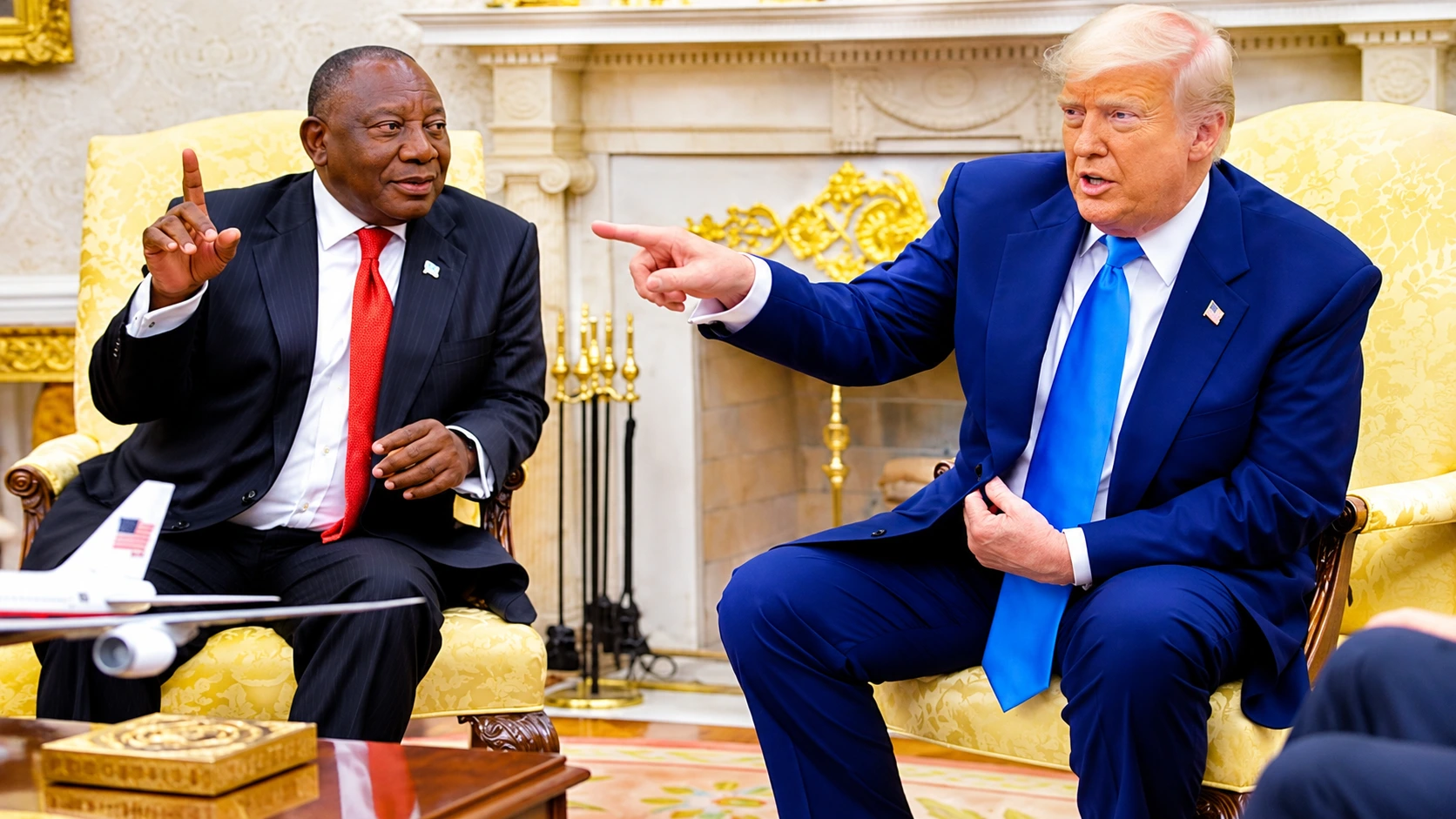
Washington says this year’s review turned up practices that clash with those conditions. The US Trade Representative, Jamieson Greer, put out a statement after Trump informed Congress and both governments. It is worth a read, and you can find it on the US Trade Representative website.
For South Africa, the US named barriers to American trade and investment, corruption, and risks to its national security and foreign policy. The American ambassador, Brent Bozell, was blunt on social media. He called the result “predictable and preventable” and said Pretoria had waved away real concerns.
Pretoria does not accept that version. Trade Minister Parks Tau said South Africa had answered the US concerns in good faith and had even put extra trade concessions on the table. What annoyed him most was that Washington came back with fresh complaints that were never part of the talks. The government also rejects the claim that it is against white South Africans and says the criticism rests on misinformation.
Why Rwanda is also on the list
Rwanda has its own list of problems with Washington. The US spoke about trade and investment barriers, the rule of law, political freedom, workers’ rights and human rights. Sanctions are in the mix as well, tied to allegations that Rwanda backs M23 rebels in eastern Congo.
Trade tension is not new for Kigali. In 2018, America stopped Rwanda from exporting clothing duty free after the country limited imports of used clothes.
What it means for AGOA South Africa exporters
How much this hurts depends on what you sell. Some producers will shrug. Others are in trouble. This table keeps the picture simple.
| Product | What could change |
|---|---|
| Citrus (mandarins, lemons, grapefruit) | Normal US duty applies, plus an extra 12.5% Section 301 tariff. Growers say they will struggle against Peru and Chile. |
| Edible ice and sorbets | A standard 17% duty returns on top of the 12.5% tariff. That is roughly a 30% disadvantage. |
| Cars, steel and aluminium | Little change, because these already face special tariffs of 25% to 50%. |
| Precious metals and minerals | Not affected. They already enter without duties and are not part of the programme. |
Citrus is where the anger is loudest. The Citrus Growers Association called the decision a serious blow. Its chairperson, Gerrit van der Merwe, expects job losses in the Western Cape and Northern Cape, and he used Citrusdal as his example, a town whose economy leans on US sales. He also made a point that outsiders often miss. A farmer cannot simply sell the same fruit somewhere else. Each market has its own plant health rules and its own tastes, and plenty of orchards were planted with American buyers in mind.
Cosatu is worried as well. It says thousands of farm and factory jobs depend on this trade, and it noted that people in Cape Town, Atlantis, Malmesbury and Tulbagh have already been laid off.
Is it a disaster or a manageable blow?
Opinions differ, and the numbers help explain why.
Tau says only about 10% of South Africa’s exports to the US came in under the programme in 2025. The year before it was 28%. In value, it fell from around $4 billion to about $1.7 billion. Set against everything the country sells abroad, that is close to 1%.
Wandile Sihlobo, the president’s envoy on agriculture and land, wants people to calm down a little. In his words, this is not a ban on the American market. He expects roughly 3.4% extra on top of existing tariffs, so a product now paying 12.5% would pay about 15.9%. It stings, he says, but South African farmers have lived with worse. They faced tariffs of around 30% in 2025 and still exported well.
Economist Eckart Naumann said the decision is regrettable but not the end of the world. He believes solid business ties and South Africa’s seasonal advantage will cushion many products.
Not everyone is that relaxed. Anthony Carroll of the Carnegie Endowment for International Peace argued that ordinary workers and businesses should not pay for decisions made by governments. He also worries the damage could spread to cooperation on critical minerals.
The bigger trade picture
South Africa AGOA trade is only one piece of a far bigger relationship. Tau says two way trade reached $28.8 billion in 2025. More than 600 American companies operate here and support about 134,600 jobs.
South Africa also supplies 12 of the 50 minerals that America labels critical. It provides around 70% of the isotopes the US uses, some of them for cancer treatment. Tau’s argument is simple: both sides gain from this relationship, so cutting the programme will hurt supply chains that already work.
Political reaction at home
The politics got heated fast. The Democratic Alliance called the move a devastating blow for farming, car manufacturing and mining, and it pointed the finger at the government’s handling of the talks. Foreign Minister Ronald Lamola had said earlier that the country was preparing for the “worst case scenario” and would not hand over its sovereignty to satisfy US demands. President Cyril Ramaphosa had already told South Africans to brace for bad news.
What happens next?
For now, nothing changes. Existing benefits stay in place until the end of the year. Tau says South Africa has 60 days to appeal before any suspension begins, and the government has promised help for hurt companies.
The door is not locked either. Greer said Washington wants its partners to take the steps needed to qualify, which means a country can be let back in. In the meantime, Pretoria says it will push harder to find new export markets, though it still calls the US an important partner.
The bottom line
Most people will not notice a difference on 2 January. Cars and precious metals, which make up the bulk of what South Africa sells to America, are barely touched. The pain will land on fruit growers, food makers and the workers who depend on them.
Everything now hangs on the talks between Pretoria and Washington. If South Africa can settle the US concerns, AGOA could open up again. If not, exporters have an easy to do list: track the appeal, price in the new tariffs and start chasing buyers elsewhere.
About the Author