South Africa is about to change how people apply for asylum. The department says a new online platform will be ready by 10 November 2026. It will use fingerprints, photos and document checks to make the process simple, safer and harder to abuse.
What is happening?
Home Affairs has announced a phased online system for asylum seekers. Minister Leon Schreiber says it will go live by 10 November 2026.
The first step is registration. People who want to apply for asylum will first register their intention to apply online. They will not walk straight into an office and start a full application.
Schreiber says the platform will make home affairs asylum seekers processing more secure. It is also meant to stop people from using the system to delay their removal from the country.
Why now?
The announcement comes at a tense time. A Constitutional Court judgment of 7 July 2026 dealt with the procedural side of asylum claims. The minister has stressed that the ruling did not hand anyone refugee status or citizenship. He says the department still has the right to decide each claim.
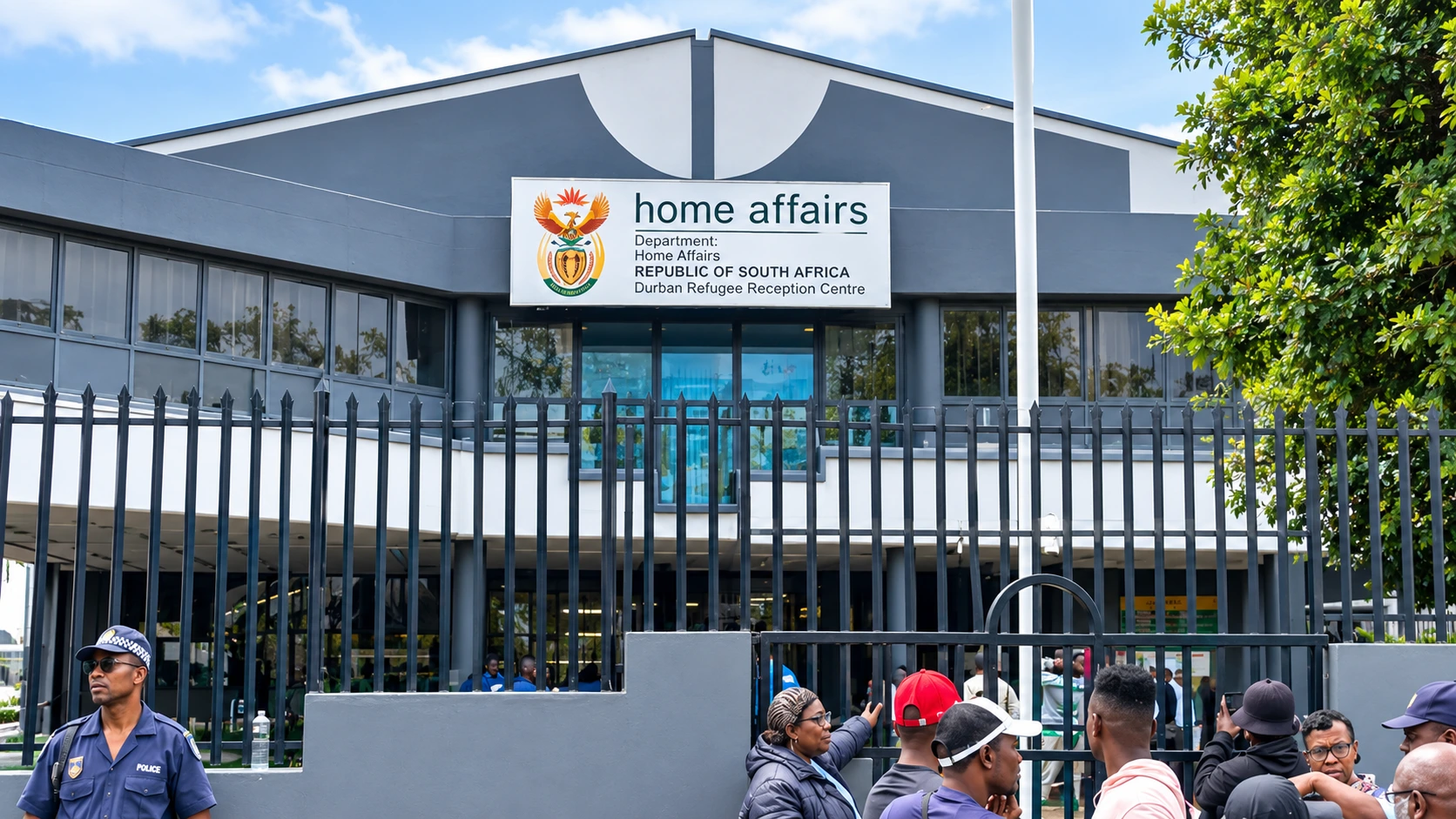
Pressure then built at refugee reception offices. A directive issued on 28 September allowed foreign nationals to submit applications at Home Affairs offices. Offices were quickly overwhelmed. Unrest followed, including arson attacks in Soweto and Durban. The directive was later withdrawn.
The government says it still respects the court ruling. The new system is its way of handling demand in an orderly manner.
How will the new system work?
The idea is meant to be easy to follow for applicants. Here is the process as officials have described it:
- A person goes online and registers their intention to apply for asylum.
- They enter personal details and upload biometric information.
- The system checks that information automatically.
- The applicant gets an online receipt with a reference number and an appointment date.
- They attend the appointment at a Refugee Reception Office, where an official assesses the claim.
Assisted registration will also be available at refugee reception offices. That matters for people who cannot get online. It keeps the process fair and easy to reach.
What the technology will check
The technology is the heart of the plan. Schreiber says the platform will require anyone who wants to apply to upload biometrics. The department will then verify them.
According to the minister, the system will let officials:
- Check for earlier cases. It can show whether the person had a claim that was already rejected.
- Spot other infringements. Officials can see other problems recorded against an applicant.
- Verify documents. Passports and travel documents can be checked for authenticity.
This is a simple idea. If the system knows who you are, it is much harder to apply again under a different story.
Schreiber has linked the plan to the Electronic Travel Authorisation system. That system already uses biometric capture and verification. He says South Africans can take confidence from how it has performed. In his words, the aim is to bring the same solutions to the asylum and refugee space, and to do it quickly.
A receipt is not refugee status
Many people may misunderstand this point. The online receipt does not give someone refugee status. It is also not a Section 22 asylum seeker permit.
It is simply proof that a person has registered and has an appointment. The real decision still comes later, after an interview with a status determination officer.
Justice Minister Mmamoloko Kubayi chairs the interministerial committee on immigration. She says the receipt will carry personal details, biometric information, a reference number and an appointment date.
She also says officials and the Border Management Authority will be told not to remove or return people holding valid receipts to places where they could face persecution or serious harm. That protects people with genuine fears while their claims wait to be heard.
No second chances after a final rejection
One rule stands out. The new system will not allow people whose asylum claims were finally rejected to lodge fresh applications. Repeat claims have been a long running problem. They add to the backlog and slow down removals.
Because the system links every application to biometric data, a repeat attempt should be easy for officials to detect. Staff will not need to rely on paper files or on a person’s word.
Key dates at a glance
A short table makes the timeline easy to follow:
| Date | What happened or will happen |
|---|---|
| 7 July 2026 | Constitutional Court judgment on asylum processing |
| 28 September | Directive issued, later withdrawn after unrest |
| 10 November 2026 | Target date for the online registration and appointment platform |
The challenges ahead
This plan will not be simple to deliver. Schreiber has said the department must first learn how many people will come forward. Only then can it plan staff and capacity properly.
Reports also say the government will ask the Constitutional Court for a supervisory order. The goal is guidance on carrying out the judgment and on the practical problems Home Affairs faces.
There are open questions too. It remains to be seen whether the department can launch on time. It also has to provide enough appointments to meet demand. If it cannot, queues may simply move from the street to the screen.
The department is also dealing with a large backlog of asylum appeals. New technology can help. But it works best when there are enough trained officials to process the cases.
What this means for ordinary South Africans
For many readers, the main question is whether the system will be fair and orderly. Supporters say biometric checks will cut fraud and reduce abuse. They also say it should free up time for genuine cases.
Others will want to see how the platform treats vulnerable people. Access, data protection and support for applicants without internet will all matter. A system that is easy to use on paper must also work in real life.
The technology is only one part of the answer. Clear communication matters just as much. If people understand the simple steps, there is less confusion at the gate and fewer rumours online.
What to watch for next
Keep an eye on a few things in the coming weeks:
- Official announcements on how the portal will work
- Details on how assisted registration will run at reception offices
- Any court order that changes the timeline
- Whether the department publishes clear guidance in plain language
The Home Affairs department says it wants a process that is secure, faster and fair. Whether it delivers will become clear after 10 November.
For official updates, readers can visit the Department of Home Affairs website. A government news report on the digital asylum plan is also available on SAnews.
About the Author