Somebody picked up a phone on Wednesday and said there was a bomb on an aircraft at king phalo airport in KuGompo City. There wasn’t. The South African Police Service (SAPS) has confirmed the threat was a false alarm, and now officers are trying to find out who made the call.
Nobody got hurt, which is the good news. But a lot of people, from passengers to crew to police, still had to drop everything because of it.
What happened on Wednesday
The caller phoned the airport’s passenger information desk and claimed a bomb had been put on an aircraft. The number was unknown, so there was no quick way to see who was on the other end.
Staff didn’t sit on it. They told the police straight away, and that’s exactly what they should do. You can’t guess with a bomb threat. Until it’s checked, it’s treated as real.
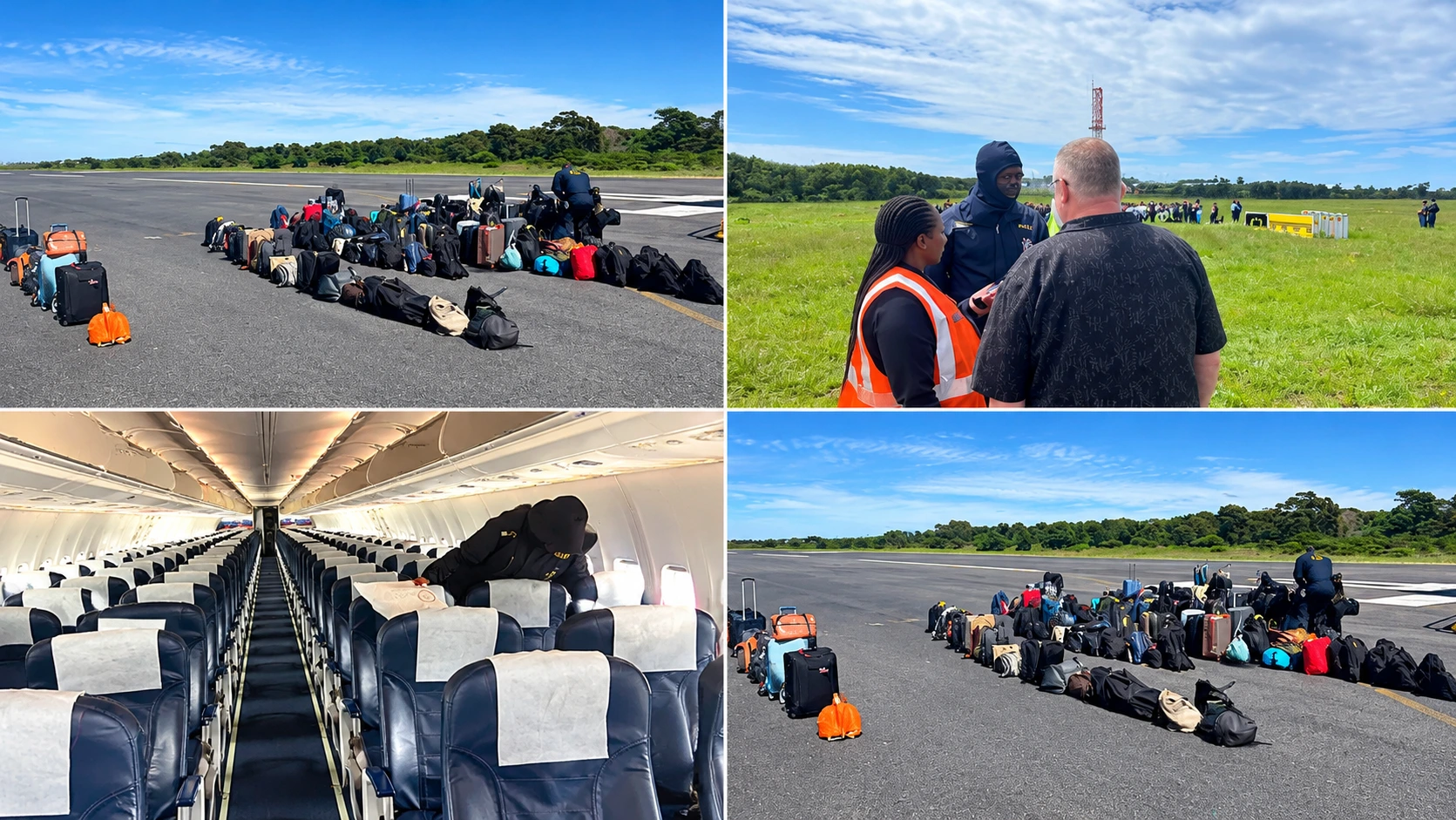
The KuGompo Explosives Unit arrived first. Airport security then briefed the Bomb Disposal Unit, whose members set up what police call a multidisciplinary response. In plain words, that means different teams with different skills all pulling in the same direction.
Passengers and crew were moved to safety
The first job was to get everyone off the plane. Passengers, pilots and cabin crew all disembarked safely. Only then did security personnel start going through the aircraft and the luggage.
That kind of search is slow on purpose. Nobody wants to miss something because they hurried.
In the end, officers found no explosives, no explosive devices, no suspicious objects and no hazardous materials. The scene was declared safe and handed back to airport security.
Quick facts at a glance
Short on time? This table keeps the main points easy to scan.
| Detail | What we know |
|---|---|
| Location | King Phalo Airport, KuGompo City, Eastern Cape |
| Day | Wednesday |
| How the threat came in | Anonymous call to the passenger information desk |
| Caller’s number | Unknown |
| Police units involved | KuGompo Explosives Unit and Bomb Disposal Unit |
| Outcome | Aircraft and luggage searched, nothing dangerous found |
| Status | Declared a false alarm, scene handed back to airport security |
A criminal case has been opened
Police have opened a criminal case. It’s registered under Section 27(1A)(a) of the Explosives Act 26 of 1956.
They’ve also sent a blunt message to anyone thinking of trying something similar. A false bomb threat is a serious criminal offence, and it can bring a prison sentence of up to 10 years. The caller hasn’t been found yet. If you’d like to see how the police explain their work, the SAPS website is the official place to look.
Why the saps airport security response eastern cape matters
It’s tempting to shrug at a hoax call. Some people even see it as a harmless prank. But think about who has to react. Officers, bomb disposal experts, airport staff and flight crew all have to act as if people’s lives are on the line, because they might be.
If you’re wondering what the saps airport security response eastern cape travellers can count on looks like, this case gives a fair picture. The call was reported fast. Specialists came in. The aircraft was emptied before anyone searched it. Then came the checks, and finally the handover back to airport security.
It’s a simple order of events, and it protects people at every step.
The saps response king phalo airport staff set in motion
So what did the saps response king phalo airport passengers were relying on actually involve? Mostly teamwork. Airport security gave the first briefing, and the police units took it from there.
One detail stands out. Police only called the threat false after a thorough investigation. They didn’t decide it was a hoax because it sounded like one. They checked, and then they said so.
What a false threat costs everyone
Nothing was found, so you might think nothing was lost. That’s not really true.
Passengers lose time, and delays are never fun. Pilots and cabin crew have to leave the aircraft and wait it out. Police and bomb disposal experts get pulled away from other work. And each hoax chips away at the calm most of us want when we travel.
The bomb was never real. The disruption was.
What travellers can do
Keeping an airport safe isn’t only the job of officers. A few easy habits from ordinary travellers help a lot.
Don’t joke about bombs at an airport, on a plane or on the phone. A bad joke can still get you arrested. If you spot an unattended bag or something that looks off, leave it alone and tell airport security or the police. If you’re asked to leave an aircraft or a terminal area, stay calm and do what you’re told. And if you know who made a threat, you can pass it on through Crime Stop on 08600 10111.
None of that is hard, and it all makes the job of the people on duty a little easier.
What happens next
For now, it’s in the hands of the police. They’re trying to trace the caller, and since the number was unknown, it could take a while.
Should the person be found and convicted, the penalty could be heavy, with the law allowing up to 10 years in prison. For wider information on South African laws and government services, you can visit the South African Government website.
The bottom line
The scare at king phalo airport ended safely. Everyone got off the aircraft, the search found nothing, and the scene was cleared.
Still, one phone call managed to stop an aircraft, call out specialist units and open a criminal case. That’s a lot of trouble for something that wasn’t real. Police are still looking for the caller, and anyone with information should speak up. Keeping our airports safe is a simple goal, and it only works when everyone plays their part.
About the Author