Two notices landed this weekend, and if you drive a lot, run a business that burns diesel, or have a flight out of Cape Town coming up, they are worth a few minutes of your time. On the surface they look unrelated. One is about fuel licences and the other is about airport queues. But read them together and you get the same picture: a lot of what we rely on every day is running closer to the edge than most of us would like. Knowing what is coming gives you time to prepare, and that is half the battle.
A deadline aimed at the licence register
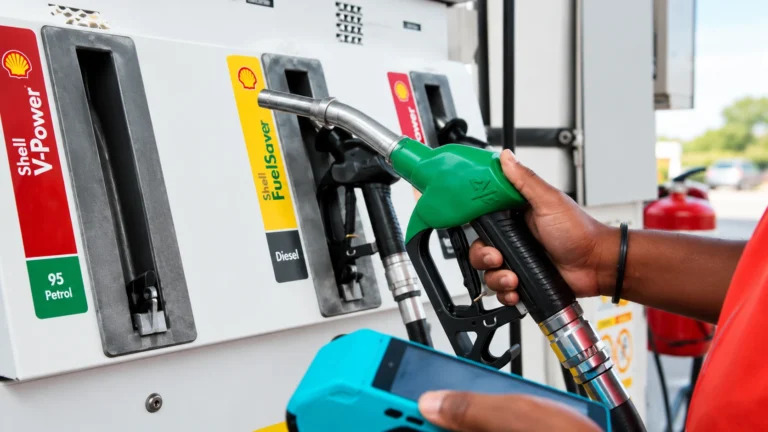
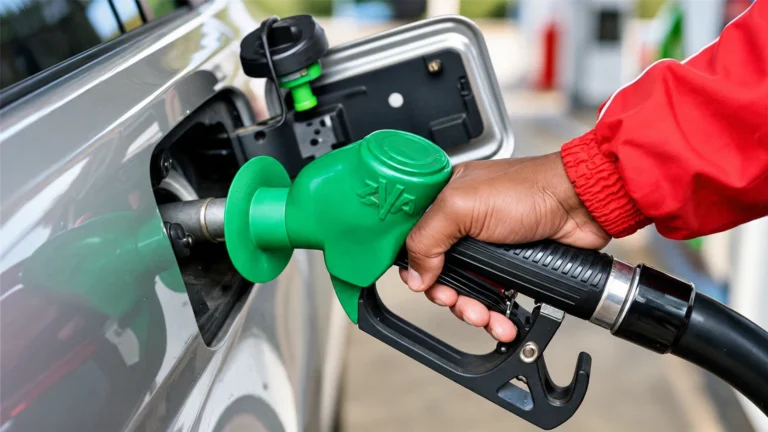
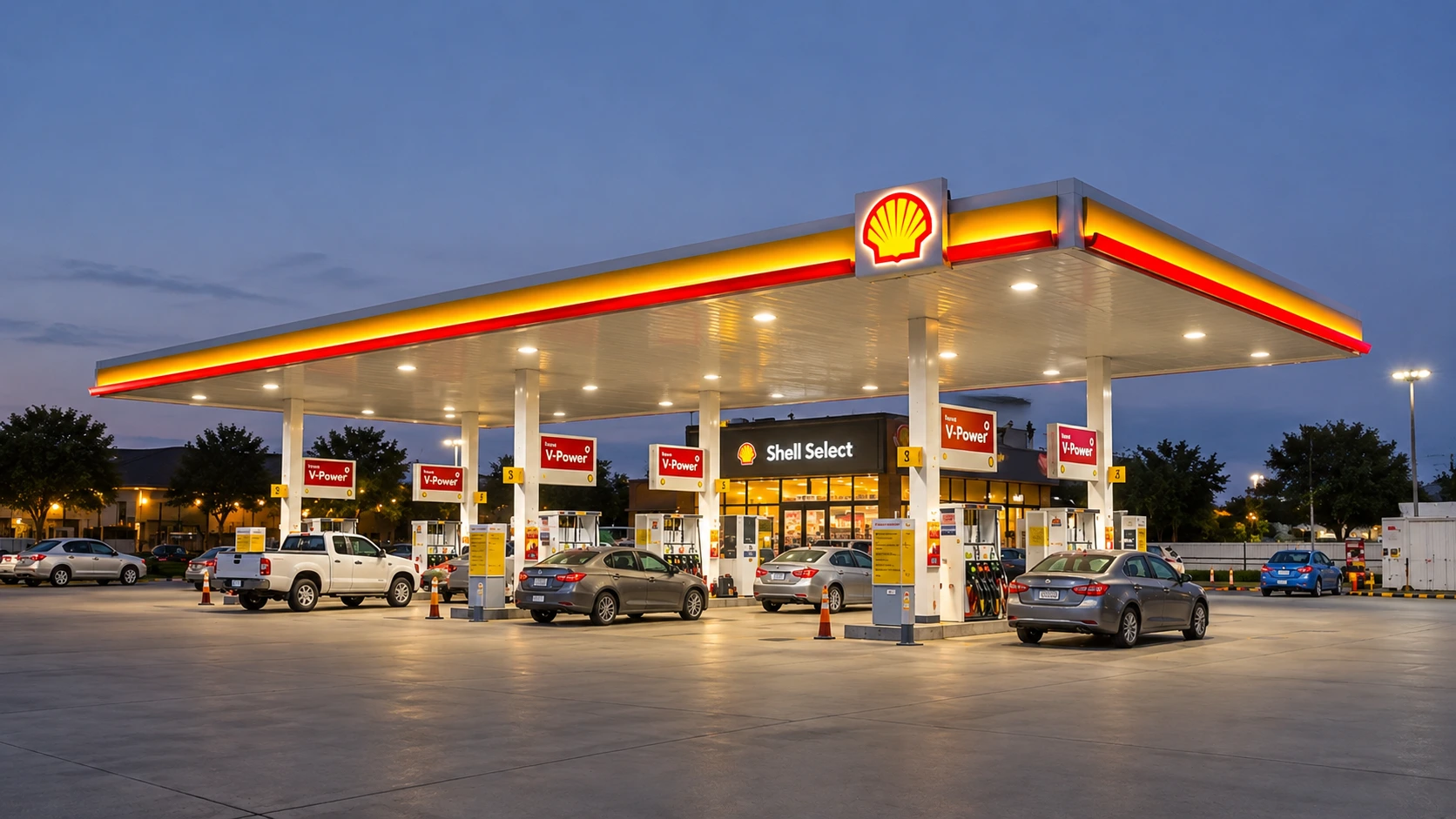
The Department of Mineral and Petroleum Resources has told petrol station licence holders they have 60 days to do three things. They must show that the site is actually operating, pay any licence fees they still owe, and put up security for environmental rehabilitation. Miss the deadline and the licence can be cancelled. The owner could also face criminal charges under the Petroleum Products Act, which is the law that controls who may sell fuel in South Africa and under what conditions.
Some of the headlines make it sound like your local garage will be locked up by Christmas. That is not what the notice says. This looks like the department going through its books and asking everyone to prove they are still in the game. Stations with their paperwork in order have little to fear. The ones that should feel nervous are those that have let things slide, sometimes for years.
You can read more about the department’s work on the Department of Mineral and Petroleum Resources website, which is the best place to check for official notices.
Why the department is pushing now
Think of a filling station licence as permission to sell something the state watches closely. It is not meant to be a thing you park in a drawer and forget. If someone holds a licence but never builds the site, or stops paying what they owe, that licence can quietly block a real operator who wants to serve the area. Every unused licence is a gap in the network that somebody else could have filled.
The courts have seen this problem before. In one recent High Court case, a retail licence was found to have lapsed because the holder never started selling fuel within 12 months of getting it. The judge did not treat it as a small technicality. So this new deadline looks like the same issue being tackled across the whole country, not just in one dispute.
The environmental security part deserves a closer look too. Fuel tanks sit underground, and leaks can go unnoticed for years. By the time anyone finds out, the soil and groundwater are already damaged, and cleaning that up costs a fortune. Asking owners to set money aside means that if a business closes or the owner disappears, the neighbours and the taxpayer are not left holding the bill. The rules for this, including how financial security works and when a licence can be suspended or cancelled, are published in the regulations on the South African government website.
Who should worry, and who should not
The big fuel brands will most likely sort this out without much fuss. They have legal teams, finance departments and banks that deal with this kind of thing every day. For them it is a few forms and a few phone calls.
The people who may struggle are the small independent dealers. Then there are the folks who bought or inherited a site and never updated the licence details. And there are the owners of sites that got a licence but never really opened for business. For these groups, 60 days can feel very short, especially if old fees have piled up or nobody remembers where the original paperwork is kept.
Timing does not help either. Sixty days from the end of October takes you straight into December, when banks and government offices start slowing down for the festive season. Arranging a bank guarantee is not a quick job at the best of times. If you own a station and you are not sure where you stand, phone the department now instead of waiting and hoping for more time. Waiting until the last week is the riskiest plan of all.
Money is tight in the fuel business already. Oil is sitting at about $113 a barrel and the rand is around R16.72 to the dollar, so margins are thin. Extra compliance costs will sting the smaller operators first, and some may decide it is easier to sell up than to keep going.
What motorists could notice
If the department follows through, a few sites might close or change hands. In a big city you probably will not notice a thing, because there is always another station down the road. In a small town, or on a quiet stretch of national road, one filling station can serve a huge area. Lose it and suddenly you are planning your trips around where you can fill up, and that costs time and money.
Farmers, taxi operators and delivery drivers would feel this first, because they depend on fuel being close by and open when they need it. There is also a quality angle. Regulators often use licence checks to find sites that cut corners, so a proper clean up can make the whole network safer for drivers over time.
That is why what the department does after the deadline matters more than the deadline itself. A firm but fair follow through could strengthen the sector. A rushed or patchy one could leave gaps in places that can least afford them. Industry voices, such as the South African Petroleum Industry Association, will be worth watching for how the sector responds.
The other warning: Cape Town International Airport
On Friday, Cape Town International Airport warned travellers to expect longer queues than usual at security screening. The reason it gave was staffing constraints linked to the taxi violence that is still going on in the area.
It is a simple chain of events when you think about it. Security staff cannot screen passengers if they cannot get to work safely. Some may be afraid to travel, some may be stuck because their usual transport is not running, and others may be held up on blocked roads. So a fight over taxis outside the airport turns into a long line inside it.
If you are flying soon, leave home earlier than you normally would. Have your ID and boarding pass ready before you reach the queue, and pack so that laptops and liquids are easy to take out. Check with your airline and the airport before you set off, because conditions can change within hours. If you have a tight connection, give yourself extra room, or think twice about booking the last flight of the day.
The bigger picture
Put these two stories side by side and you see the same thing. One is about government trying to make sure the fuel network is legal, funded and safe. The other shows how quickly a service wobbles when the people running it cannot get to their posts. Either way, reliability is the real issue, and the people who plan ahead will cope best.
Over the next few weeks, keep an eye on a few things. How many licence holders respond to the department, and how many end up cancelled? Do operators ask for more time or take the matter to court? And does the taxi violence calm down? If it does not, long queues at the airport could become the new normal for Cape Town travellers, and businesses that depend on air freight and tourism will feel it.
For now, the advice is simple. Station owners, check your licence file this week and gather your proof of operation. Travellers, add some time to your plans. And the rest of us should pay attention, because this kind of enforcement often decides which businesses stay open and which services we can count on.
About the Author