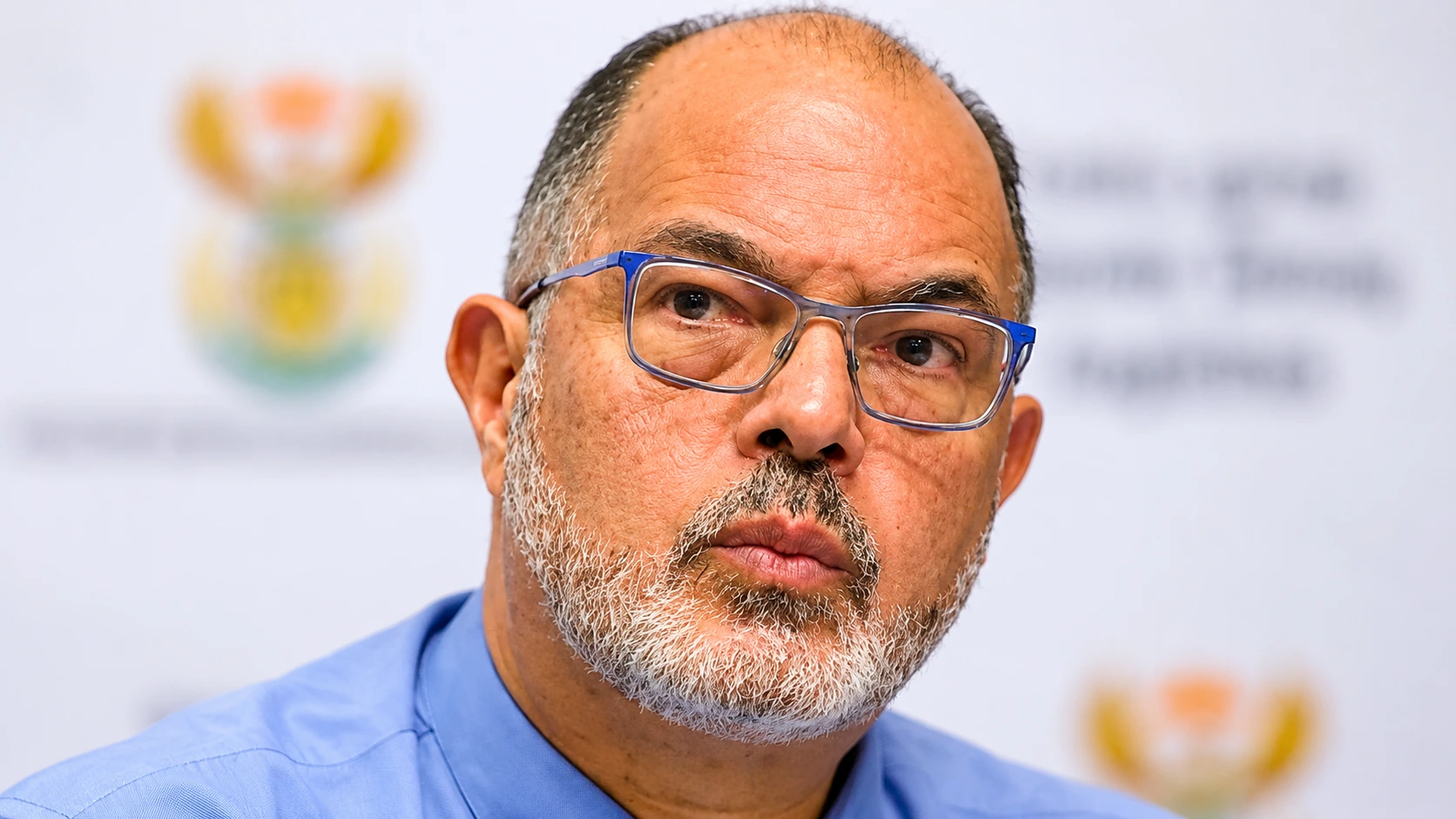
When a former tax boss starts talking about honesty and ego, people tend to listen. Edward Kieswetter ran the South African Revenue Service (SARS) from 2019 until April 2026, and he has just given a speech that has little to do with tax returns. It is about the people we put in charge. Whether you’re a salaried employee or a small business owner, South African taxpayers have a stake in what he said.
Why his words carry weight
Kieswetter was the keynote speaker at the 4th Universities South Africa Higher Education Conference. The timing is hard to ignore, because the municipal elections are only weeks away.
His main charge was blunt. Some leaders, he said, claim to serve the public while quietly serving themselves. He called that a disgusting reality we need to face. He also said the country is where it is partly because leaders take themselves far too seriously and their actual work far too lightly.
Think about that for a moment. You hand over a chunk of your pay every month. You expect clean water, working clinics and decent roads in return. If the people running things are busy polishing their own image, that deal falls apart. It’s a simple idea, and most of us have felt it at some point, usually while queueing or sitting in the dark.
What he said good leaders look like
Kieswetter wasn’t asking for saints. He said people don’t expect leaders to be perfect. What they want is someone genuine, someone who says “I don’t know” when that’s the truth, and someone who can’t be bought.
He also went after what he called intellectual dishonesty. You’ve probably seen it. A department reports glowing progress while the service on the ground keeps slipping. If an institution can’t admit where it’s failing, it will never fix anything. That’s an easy point to agree with and a hard one to practise.
Then he turned to hiring. He criticised appointments driven by political, ethnic, cultural or social ties and argued that top jobs should go to the best person for them. For him, that meant good character, real and measurable skill, a record of getting things done, a strong work ethic and a refusal to take bribes or favours.
He added one more thing that stuck with me. Most leaders, he said, think they’re better than they are and the job is smaller than it really is. A bit of humility would go a long way.
The SARS record behind the speech
He isn’t an outsider throwing stones. Kieswetter spent years inside one of the country’s most scrutinised institutions, and SARS was in rough shape when he walked in. Years of interference had damaged its name and its morale.
Rebuilding trust became the job. By the figures he shared, public trust in SARS climbed from 48% to 75%. Customer satisfaction jumped from 54% to above 90%. He stepped down on 30 April 2026, and Ngobani Johnstone Makhubu took over.
These numbers come from his own address and the latest budget statement, so treat them as the official version of events. Even so, the trend points one way.
| Measure | Figure |
|---|---|
| Trust in SARS, before and after | 48% to 75% |
| Customer satisfaction, before and after | 54% to over 90% |
| Revenue collected during his term | About R11.5 trillion |
| Net tax collected in the 2026 financial year | Above R2 trillion |
| Projected tax revenue in the latest budget update | R2.14 trillion |
| Gap above the February 2026 estimate | R17.1 billion |
Good service and fair rules go together
According to Kieswetter, the turnaround wasn’t magic. SARS had to explain things clearly, treat taxpayers better and apply the law fairly.
That last piece is bigger than it looks. People will pay when they believe everyone else is paying too. Once they suspect the rich and connected get a free pass, the whole system starts to wobble. Fairness is what keeps tax collection working.
Service matters just as much. If filing is easy, answers are clear and refunds show up on time, you’re far more likely to stay compliant. Nobody enjoys dealing with a tax authority, but a decent experience takes the sting out of it.
Who he says he worked for
This was the most personal part of his speech. Kieswetter said he did the work for poor South Africans who can’t afford private healthcare or private schools. They have nowhere else to go, so they rely on what the state provides, and the state relies on tax revenue.
It’s easy to forget that when we’re staring at our own payslips. But when collection grows, there’s more room for hospitals, classrooms and social grants. When it shrinks, the poorest people feel it first. Wealthier families can buy their way around a broken system. Most South Africans can’t.
He also said he’s proud of the SARS staff and credited them for what was achieved.
What the latest budget numbers show
The Medium Term Budget Policy Statement from Finance Minister Enoch Godongwana suggests the strong run is continuing. Tax revenue is projected at R2.14 trillion, which is R17.1 billion above what was planned in February 2026. The tax to GDP ratio is also expected to edge up from 26% to 26.4%.
In everyday terms, the government expects to collect a slightly bigger slice of the country’s total economic activity. If you want to see the figures yourself, the National Treasury website publishes the budget documents.
Now for a reality check. More money coming in doesn’t guarantee better outcomes. It only helps if the money is spent well, and that’s where Kieswetter’s warning really bites. Raising tax is one half of the story. Spending it honestly is the other half, and it’s the half many people worry about most.
What this means for you
A few simple takeaways come out of all this.
Your tax matters because it pays for the public services millions of people depend on. Filing on time and keeping your records in order is the easy part you control. The official SARS website has the deadlines, forms and online services.
Leadership is also a tax issue, even if it doesn’t feel like one. Appoint people for loyalty instead of skill, and waste follows. Waste breeds anger, and anger makes people less willing to pay.
Finally, you have a vote. With local elections close, Kieswetter’s list works as a handy checklist. Does the candidate admit failures? Have they delivered before? Do they seem to work for residents or for themselves? Those questions are easy to ask and tell you a lot.
Looking ahead
A few things are worth keeping an eye on.
The first is the handover at SARS. Makhubu inherits an institution with better trust ratings and stronger collection, and keeping that going is his first real test. Trust takes years to build and very little time to lose.
Revenue is the second. If collections keep beating forecasts, the government gets some breathing room. But that depends on a growing economy, and tax alone can’t carry the country.
Then there’s the merit debate. Kieswetter’s call to hire the best person for the job isn’t going away. Expect it to come up in talks about public service jobs, state owned companies and municipal management.
Lastly, there’s public confidence. A trusted SARS could show other institutions what is possible. It could also make their failures look worse by comparison.
The bottom line
Kieswetter’s message boils down to character, honesty and focus. He believes a leader who takes the work seriously, owns mistakes and puts citizens first can rebuild even a damaged institution, and he points to SARS as proof.
For South African taxpayers, the lesson is simple. Pay what you owe, expect value for it, and use your voice and vote to back people who earn trust. It’s an easy thing to say and a hard thing to live out, but it may be our best shot at a fairer country.
About the Author