If you follow grant news, you know the debate never really goes away. This week it returned with a clear number attached. During public hearings in Parliament, a campaign group called for a SASSA grant increase that would lift the monthly payment to R3 000. Nothing has been approved and nothing has been decided. Still, the request is now in front of MPs, and that makes the SASSA grant increase public hearings Parliament story worth your attention. Here is what happened, in plain terms.
What was asked of Parliament
The call was made on Wednesday, 28 October, during public hearings on the 2026 Medium Term Budget Policy Statement, which most people simply call the MTBPS. Parliament’s finance committees, which work under the Parliament of South Africa, ran the hearings so ordinary groups could comment on the government’s revised fiscal framework and its revenue plans.
If that sounds heavy, here is the easy version. The MTBPS is a mid year check on how the state plans to bring in money and spend it. It is not the main budget. But it is one of the few moments when the public can speak up before the next budget is tabled.
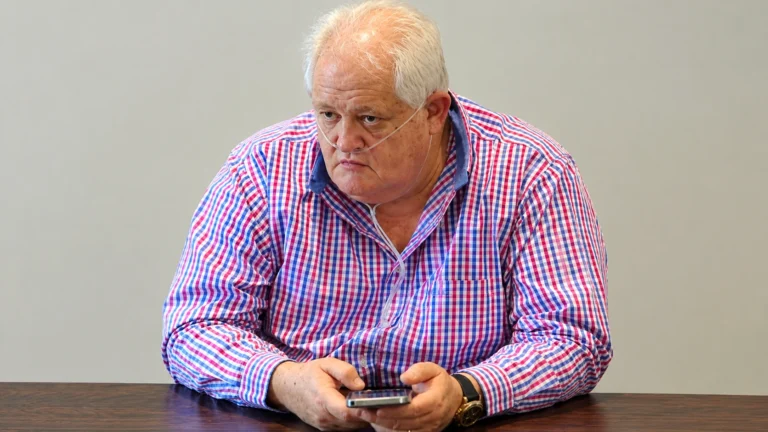
The request came from Math is not Mathing, an independent campaign pushing for pension reform. Its representative, Geraldine Prinsloo, asked MPs to lift the grant from R2 400 to R3 000 a month. That is an extra R600 for every person who receives it.
What pensioners receive right now
Today, the older person’s grant is R2 400 a month. People older than 75 get R2 420. The Department of Social Development says these amounts follow an R80 adjustment that took effect in April 2026. You can check the current grant amounts on the official South African Social Security Agency website.
Here are the numbers side by side, so you don’t have to do the sums yourself.
| Item | Amount |
|---|---|
| Older person’s grant | R2 400 |
| Grant for people older than 75 | R2 420 |
| Amount proposed by the campaign | R3 000 |
| Extra each month (on R2 400) | R600 |
| Extra over a full year (on R2 400) | R7 200 |
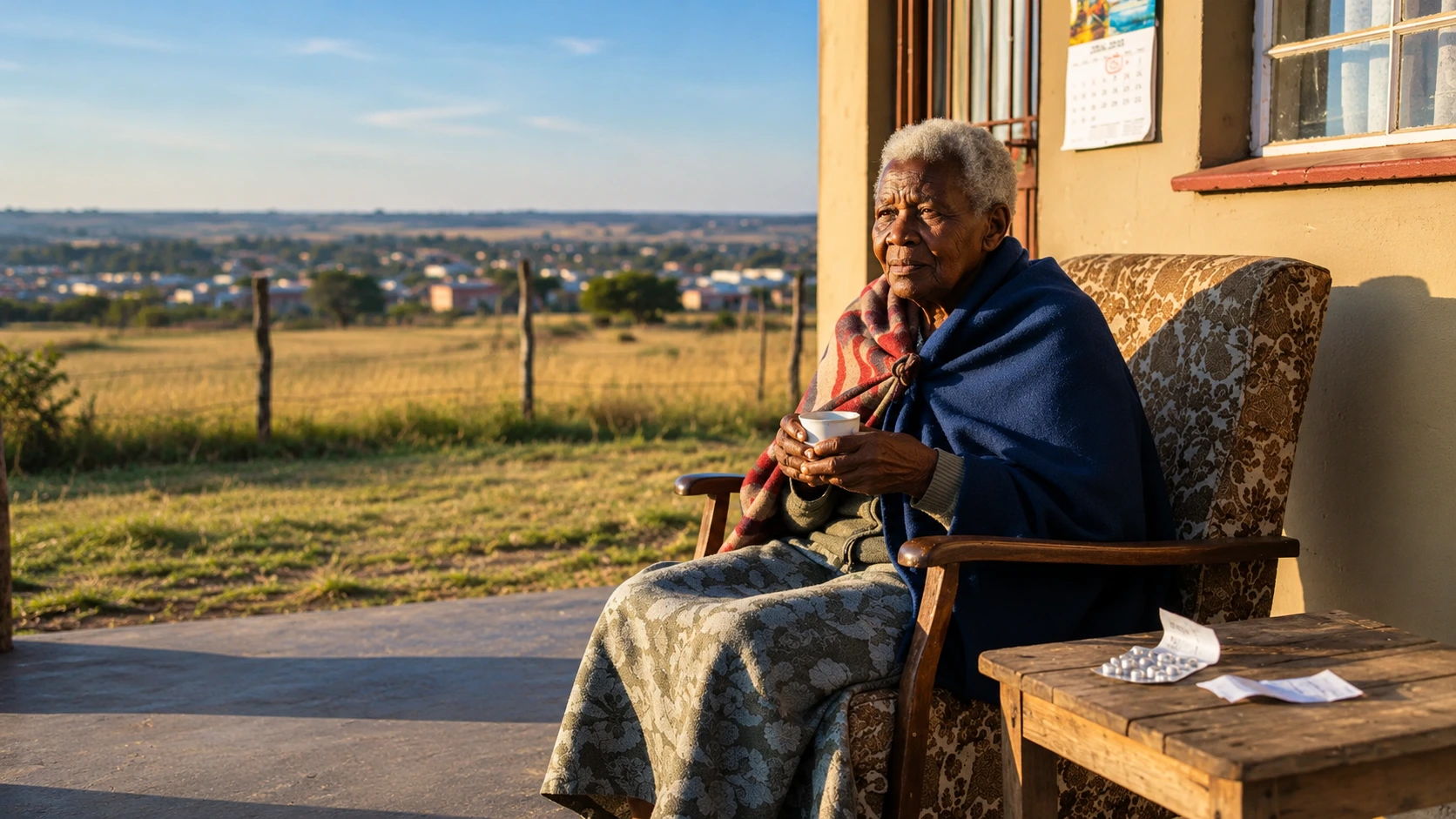
On paper, R600 looks like a small figure. In a real home, it can be the difference between a full trolley and a half empty one. It could also mean a medicine bill that no longer swallows everything else.
Why campaigners say R2 400 is not enough
Prinsloo asked a blunt question. How is an older person supposed to pay for food, electricity, accommodation, transport and medication on R2 400? Most of us would struggle to answer that.
And it is rarely just one person’s money. In many households, a single grant is stretched across children, grandchildren and other relatives. When the amount falls short, the whole family feels it.
The campaign also wants proof. It is asking Treasury to show how it expects pensioners to live on the current grant. Prinsloo went further and asked government to explain where the savings found across departments are actually going.
None of this is brand new. In November 2025, Western Cape pensioners went to Parliament and asked for R5 000 a month, when the grant was R2 320. This year’s R3 000 ask is lower, but the complaint is the same: the money is not keeping up with daily life.
How Treasury has responded
National Treasury is not convinced. According to reports, it says a R3 000 grant would cost the state more than R30 billion a year. That is a huge amount, and it shows why a SASSA grant increase of this size cannot be waved through quickly.
Treasury also replied to public comments on the MTBPS, which Finance Minister Enoch Godongwana delivered in Parliament. It rejected the idea that it is cutting the number of grant beneficiaries to save money.
So the debate has two sides. Campaigners look at what life costs a pensioner. Treasury looks at what the grant costs the state. Both sides will keep arguing their case as the budget process moves forward.
What happens next
Here is the part to remember. This is a proposal, not an approved change.
Public hearings let committees listen to the public, but they do not set the grant amount. That is decided through the national budget process, which involves the Finance Minister, Cabinet and Parliament. The 2026 increases, for example, were announced in the Budget speech and took effect in April.
So the next real signal will probably come when government tables its next main budget. Until then, the current amounts stay the same. Please don’t expect R3 000 in your next payment.
What pensioners and families should do
There are a few simple things you can do while you wait.
Stick to official sources. For payment dates, amounts and updates, check the South African Social Security Agency at sassa.gov.za. Verified information will show up there first.
Watch out for rumours. Whenever grants make the news, posts start claiming a new amount is already approved. Many are wrong, and some are scams. If anyone asks you to pay a fee or hand over personal details to “unlock” a higher grant, walk away.
Follow the process. If you want to see how Parliament handles the SASSA grant increase public hearings and the MTBPS, the Parliament of South Africa website posts committee notices and meeting details. It is an easy way to stay informed without relying on forwarded messages.
Plan around today’s amount. Since nothing has changed yet, budget with what you receive now. If an increase does come, treat it as a bonus and not something to count on.
Why this debate matters
The old age grant carries a lot of weight in South Africa. For millions of older people, it is the main income they have. So when it comes up in Parliament, the real question is whether one monthly payment can still cover the basics.
To some, a gap of R600 might sound small. To someone counting every rand, it is not. At the same time, Treasury’s warning about the R30 billion price tag explains why the R3 000 proposal will not be settled overnight.
For now, the hearing has done one thing clearly. It has put pensioners’ living costs on the record, and it has pushed government to explain how its savings and spending plans match the needs of older South Africans.
What happens next depends on the next budget. Keep watching for official announcements. When real news arrives, it will be easy to find through government channels, and that is the moment to act on it.
About the Author