Ask anyone who lives on a grant what the month looks like. It’s a careful juggling act of food, transport and school costs, with very little left over. This year, government plans to put close to R290 billion behind that support. The exact figure in the 2026 Budget is R292.8 billion. Below is a simple, easy breakdown of what the south africa social grants budget covers, who gets help and what’s changing.
How big is the money?
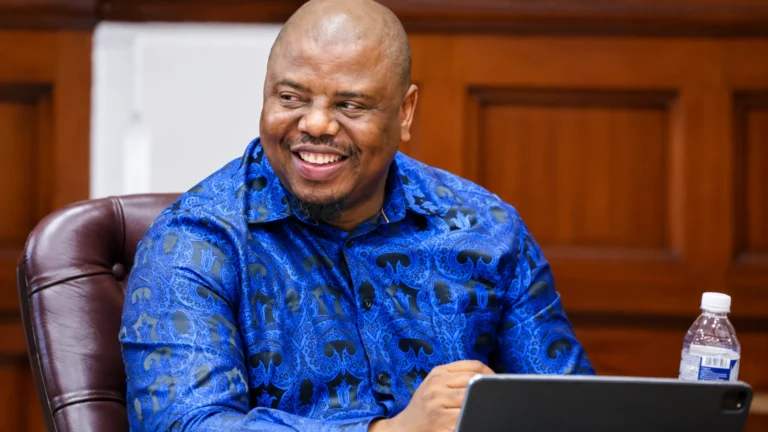
Finance Minister Enoch Godongwana delivered the 2026 Budget in Parliament in February. For the 2026/27 financial year, the state plans to spend around R2.67 trillion in total. Out of that, R292.8 billion is set aside for social grants.
That’s a big slice. Grants remain the biggest single item in social development spending, and they reach about 26.5 million beneficiaries. That number doesn’t include the Social Relief of Distress (SRD) grant, which is handled separately.
Think back a year or so. The South African Social Security Agency (Sassa) paid out roughly R267 billion in 2024/25. So the pot keeps growing, although the increases are smaller than people may have hoped for.
The minister also pointed to the social wage, which takes up more than 60% of spending before interest costs over the medium term. It covers school education, public healthcare and grants. Education, health and social protection together make up about 70.3% of it in 2026/27.
Which grants went up?
The increases are small, but when your income is tight, every rand counts. They were meant to start in April 2026. Here’s an easy way to see the changes side by side.
| Grant | Increase | New monthly amount |
|---|---|---|
| Older persons grant | R80 | R2,400 |
| Disability grant | R80 | R2,400 |
| Care dependency grant | R80 | R2,400 |
| Child support grant | R20 | R580 |
| Grant in aid | R20 | R580 |
| SRD grant | No change | R370 |
These bumps follow inflation. In plain terms, they help grants keep pace with prices but don’t really stretch any further. A pensioner will be glad of the extra R80. But anyone who buys groceries or pays for electricity knows how fast that disappears.
What happens to the SRD grant?
The SRD grant began about six years ago during the Covid 19 pandemic, and it’s still around. It stays at R370 a month and continues in its current form for 2026/27.
Plenty of unemployed South Africans lean on it, so the big question is whether it will ever become a permanent income grant. The minister didn’t settle that. He said any changes would be shared at the medium term budget policy statement later in the year. If you receive this grant, keep an eye on that announcement.
Why is Sassa tightening checks?
A bigger budget only helps if the money lands in the right hands. That’s why the Budget spent so much time on fraud and verification.
Treasury made Sassa’s 2025/26 funding conditional. The agency had to improve biometric and income checks, review eligibility more often and tighten compliance. New applicants now go through biometric verification as well.
So what did all that produce? The numbers tell the story:
- 291,581 beneficiaries were flagged for review.
- 8,599 disability and older persons grants were adjusted under the sliding scale, which links the amount to a person’s income.
- 34,661 grants were cancelled, with expected savings of about R170.7 million by the end of 2025/26.
Treasury also expects better targeting and authentication to bring savings of around R3 billion.
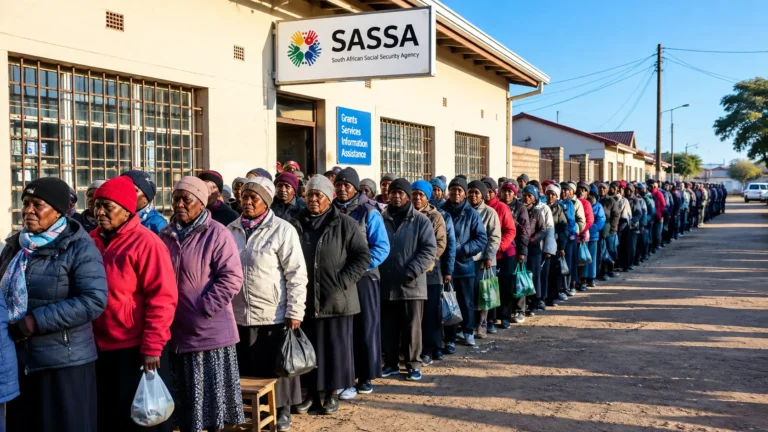
It wasn’t a smooth ride, though. Treasury admitted the verification drive caused serious disruptions at Sassa offices last year. Many honest beneficiaries stood in long queues to update details or prove their income. Government insists the goal is to protect genuine recipients and stop corruption.
And the fraud is real. Reports on Sassa’s recent performance mentioned officials arrested in Gauteng on fraud related charges. Authorities also found money lenders holding Sassa cards, and officials in Mpumalanga working together to create fake grants. Tighter checks are meant to shut those doors.
What should beneficiaries do?
If you get a grant, a few simple habits can spare you a lot of stress.
Keep your details current. Make sure Sassa has your correct cell number, address and bank details. Old information is a common cause of delays.
Be ready for a review. You may be asked to confirm your identity or income. Keep your ID, proof of income and bank statements somewhere handy. It makes the whole thing much easier.
Never give away your card or PIN. Your Sassa card belongs to you. Any lender who holds on to it is breaking the law.
Stick to official sources. Sassa shares payment information and application help on its website at sassa.gov.za. It’s an easy first stop before you believe a rumour on social media.
Check your payment. If your increase hasn’t shown up, ask Sassa directly.
Why this matters beyond the numbers
The south africa social grants budget isn’t just a line in a government spreadsheet. For many families, it’s what keeps the lights on. One grant often feeds several people in a home, and in poorer communities a pension or child support payment may be the only steady income around.
But the state doesn’t have endless money. Government is trying to protect the system while keeping spending in check, which explains why small increases come with stricter checks.
Supporters say grants fight hunger and keep children in school. Critics say the system needs better administration and stronger links to real jobs. Both views will keep showing up in future budget debates.
Where to find the official numbers
Want to see the figures for yourself? The National Treasury publishes the full Budget documents for free at treasury.gov.za. They can get technical, but the summary sections are simple enough for most people to follow.
The bottom line
Government has set aside about R290 billion, or more exactly R292.8 billion, for social grants in 2026/27. Older persons, disability and care dependency grants now pay R2,400. Child support and grant in aid rose to R580. The SRD grant stays at R370, and its future is still unclear.
For beneficiaries, the message is easy to remember. The money is there, but you should keep your details up to date and expect more checks. For government, the real test is keeping the system fair, affordable and free of fraud.
About the Author