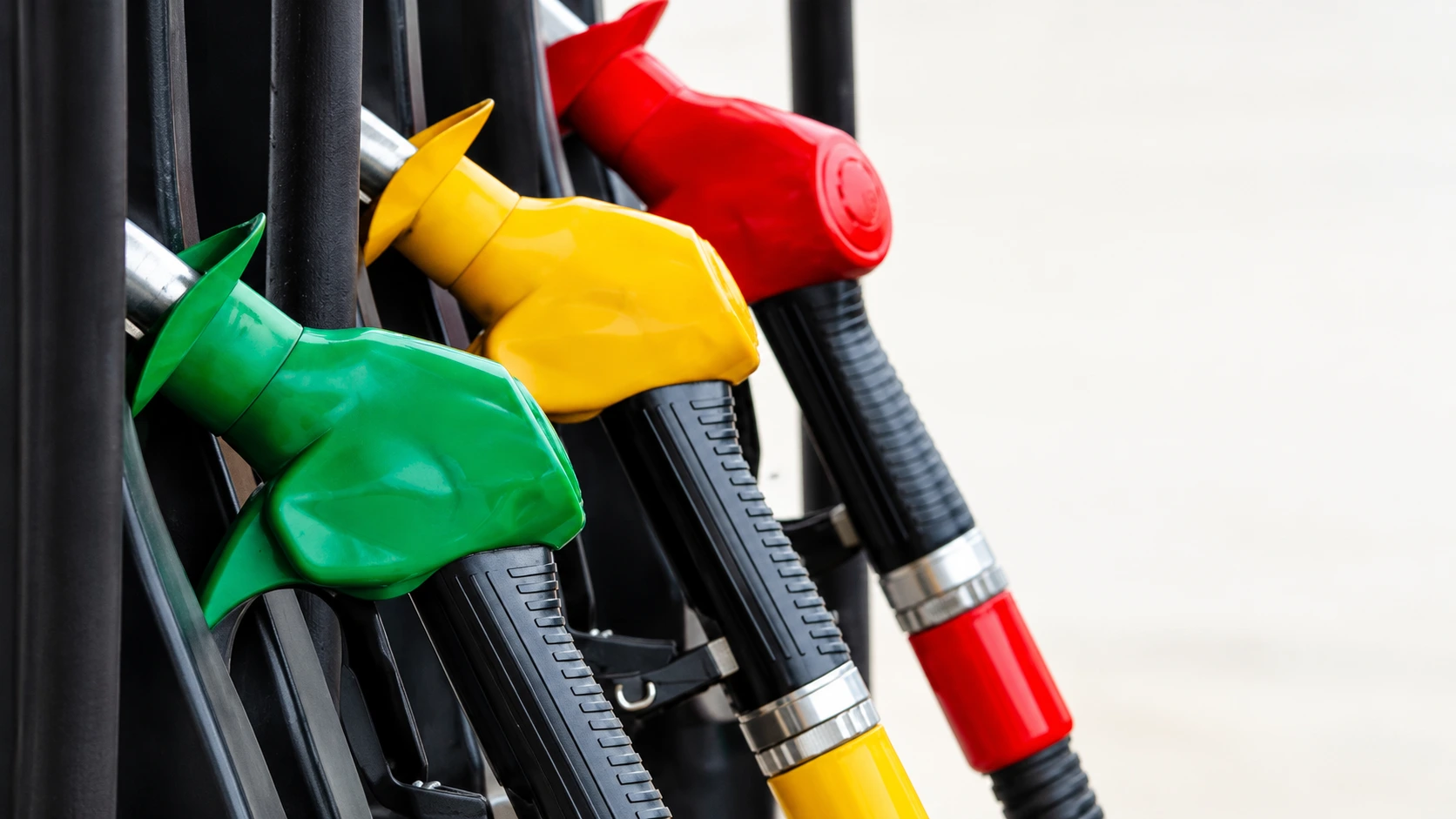
Anyone who has filled up a tank this year knows the pain. Prices have been climbing for months, and every month seemed to bring another bump. But November might finally bring a bit of good news. Government relief on the fuel levy is expected to turn what looked like another price hike into a small drop at the pumps. It’s not huge, but after the year we’ve had, you’ll take it.
What is happening with fuel prices?
Earlier in the month, things looked grim. The Central Energy Fund (CEF) data for the end of the third week of October showed petrol under recovering by roughly R1.27 to R1.38 per litre. Diesel was in a similar spot, at about R1.24 to R1.29 per litre.
So what does “under recovery” actually mean? It’s quite simple. Fuel is costing more to bring into the country than local pump prices currently cover. If that gap sticks around until the end of the month, drivers normally pay more when the new month starts.
That’s where we were heading until this week. Then Finance Minister Enoch Godongwana stepped in with a relief plan, and the picture changed.
The R10 billion relief package
National Treasury will put R10 billion towards fuel price relief over the next two months. The way it works is easy to follow. Treasury will temporarily cut the fuel levy, which is the tax added to every litre you buy.
In November, the levy comes down by R1.50 per litre on petrol and R3.00 per litre on diesel. In December, the cut shrinks to R1.00 per litre for petrol and R1.50 per litre for diesel. If you want to read more about how the levy fits into the bigger tax picture, the National Treasury website is a good place to start.
This south africa fuel price reduction isn’t permanent, though. Think of it as a short breather meant to ease the pressure on households and businesses, not a long term fix.
How the numbers look for November
Here’s how the relief changes the expected November prices, based on October inland prices.
| Fuel type | October price | Under recovery | Levy relief | November projection |
|---|---|---|---|---|
| Petrol 93 | R29.88 | R1.38 | R1.50 | R29.76 |
| Petrol 95 | R30.25 | R1.27 | R1.50 | R30.02 |
| Diesel 0.05% | R31.95 | R1.29 | R3.00 | R30.24 |
| Diesel 0.005% | R33.29 | R1.24 | R3.00 | R31.53 |
Look closely and you’ll see that petrol barely moves. Petrol 93 could drop by just 12 cents a litre, and petrol 95 by about 23 cents. Diesel is the real winner here, with expected falls of around R1.71 and R1.76 per litre.
That matters more than it might seem. Diesel moves our food, our goods and a lot of our farm work. When it gets cheaper, the benefit can slowly filter through to what you pay at the shops.
Why this is not a guaranteed cut
Before you get too excited, there are a few catches.
First, the CEF numbers aren’t a final forecast. They’re daily snapshots of the market, and they leave out other adjustments like the slate levy. The official figures will be confirmed closer to the start of November, and you can follow updates on the Central Energy Fund website.
Second, the margin on petrol is razor thin. We’re talking about 12 to 23 cents per litre. A weaker rand, a higher oil price or a bigger slate levy increase could easily wipe that out and push petrol back into hike territory.
And right now, the markets aren’t doing us any favours. Oil jumped to almost $115 a barrel this week as tensions in the Middle East grew. The rand is also struggling at around R16.50 to the dollar because investors are nervous. Neither of those is helpful when you’re hoping for cheaper fuel.
A small cut after a very big climb
Let’s keep things in perspective. Even if the cut goes ahead, it doesn’t undo the damage. Petrol has gone up by more than R10 per litre since February, and diesel has climbed by almost R15 per litre.
Here’s the simple maths. Petrol 95 rose by R10.15 per litre between March and October. Take off the expected 23 cents in November and you’re still looking at about R9.92 more than before. For diesel 0.005%, the climb was R14.84 per litre. Knock off R1.76 and it’s still about R13.08 higher.
We did get a couple of breaks along the way. Prices fell in July, and petrol dipped a little again in August. But the big jumps in April, May, September and October pretty much cancelled those out.
Petrol 95 also isn’t expected to slip below R30 per litre in November. The small comfort is that it should at least avoid a new record high.
Why inflation and interest rates matter
Fuel isn’t just about your car. When it gets pricier, almost everything else does too, from bread to bus fares. That’s why this relief could reach further than the petrol station.
Before the announcement, Nedbank had flagged fuel as a real risk to inflation. September’s consumer inflation came in at 4.7% year on year. That was better than expected, but still higher than August, and fuel was the reason. With October’s big price hike, another rise for that month is pretty much certain.
Nedbank had also feared that inflation could peak at 6.4% in November if a R1.50 per litre hike had gone ahead. That might have pushed the South African Reserve Bank to raise interest rates again as it tries to get inflation back to its 3% target.
Now the story has shifted. Nedbank has revised its view and expects inflation to peak earlier, in October, at 5.7%. After that, it sees inflation easing faster than it first thought, reaching 3% by the end of the third quarter of 2027. That’s a full quarter sooner than its earlier forecast.
Its yearly numbers have come down as well. For 2026, it now expects inflation to average 4.4%, down from 4.5%. For 2027, the average drops to 3.6%, down from 4.1%.
If you have a bond, a car loan or a credit card, that’s encouraging. Lower inflation gives the Reserve Bank more room to hold off on rate hikes, and that could take some heat out of household budgets.
What drivers can do now
You can’t control the oil price, but you can control how you drive. A few simple habits can stretch every litre.
Try to combine errands into one trip instead of making three. Keep your tyres properly inflated, because soft tyres burn more fuel. Clear out any extra weight in your boot, and ease off the hard braking and flat out acceleration. If you can share a lift to work a couple of days a week, even better.
None of this will match a big drop at the pumps. But it’s easy to start today, and the savings add up over a month.
The bottom line
The expected south africa fuel price reduction in November is small, especially for petrol. Diesel users stand to gain a bit more. Still, nothing is locked in. The rand, oil prices and the final adjustments will all play a part.
For now, the temporary levy cut gives drivers some welcome relief after a painful year. It also helps the inflation outlook, which could keep interest rates in check. Keep an eye out for the official announcement before the new month starts. Until then, it’s wise to hope for a small win, but not to count on a big one.
About the Author