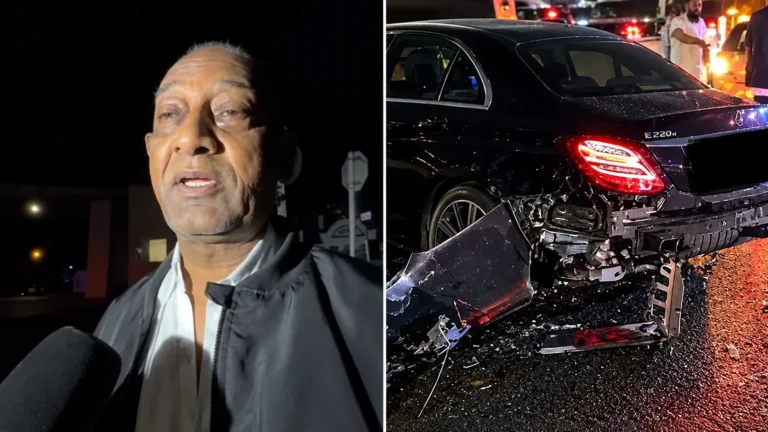
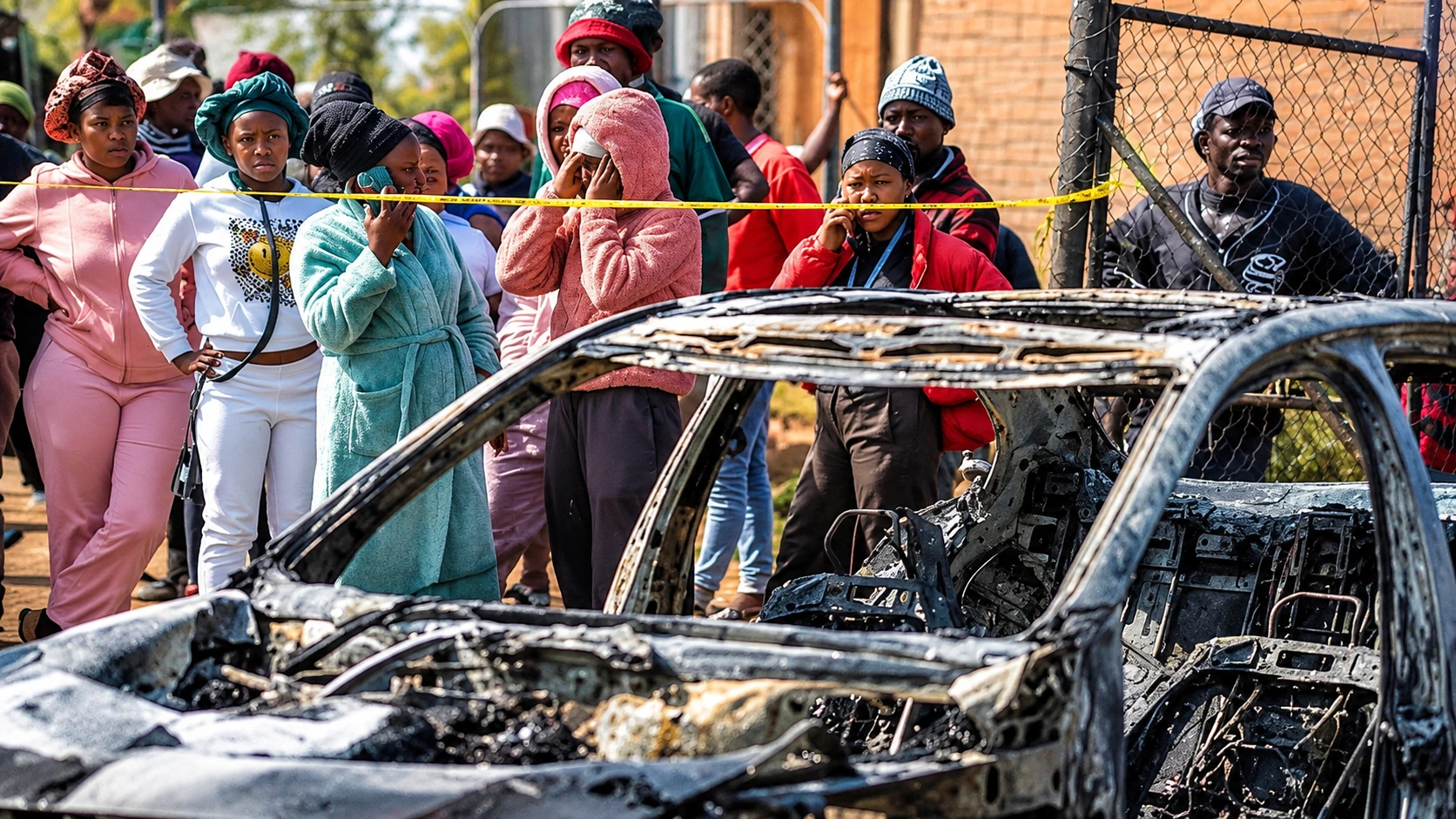
South Africa is reeling after a violent stretch that has left dozens dead. Reports put the toll at 44 deaths in five days, and September now stands as the country’s deadliest month for mass shootings this year. Gunmen struck in KwaZulu-Natal, Gauteng and the Western Cape. Police say the pattern points to organised crime and revenge killings, not random attacks.
Here is a simple breakdown of what happened, what police have said and why experts are worried.
What happened over five days
Three major attacks make up most of the toll. Each one hit a different province. Most of the victims were ordinary people out at a home, a tavern or a late night eating spot.
| Date | Place | Province | Reported deaths |
|---|---|---|---|
| 23 September | Ziko area, KwaMakhutha, south of Durban | KwaZulu-Natal | 11 to 12 |
| 26 September | Dora’s Tavern, Carletonville | Gauteng | 18 |
| 27 September | Entertainment venue, Lwandle, near Cape Town | Western Cape | 10 |
Reports differ slightly on the KwaMakhutha toll, which is why the range is shown. The 44 deaths figure comes from News24’s tally over the five days.
KwaMakhutha: gunmen attack a home
The first attack took place on Wednesday, 23 September. Armed men opened fire at a house in the Ziko area of KwaMakhutha, south of Durban. At least 11 people died. Reports say a pregnant woman was among the victims.
Community members helped forensic teams carry the bodies away. The scene was a painful sight for a neighbourhood that has lived with violent crime for years.
Carletonville: the worst attack of the year
The deadliest attack came on the evening of Saturday, 26 September. Eight men, armed with AK47 rifles and pistols, stormed Dora’s Tavern in Carletonville. According to police, they shot at customers drinking outside and then moved indoors and kept firing.
At first, 17 people were reported dead. They were 13 men and four women. Another 15 people were wounded. On Monday, police said one more victim had died in hospital, which raised the toll to 18.
This makes Carletonville the deadliest mass shooting of 2026 so far. It passed the 9 June attack at Jumpers in Cleveland, Johannesburg, where 13 people were killed, according to the Daily Maverick.
Gauteng Deputy Police Commissioner Fred Kekana said police have a clear picture of the suspects and know their names. He has not named them publicly. He also said investigators are looking at retaliation as a possible motive. A shooting at the same tavern in August killed one person and wounded another. One of the people killed on Saturday was wanted in connection with that earlier incident.
Soldiers from the South African National Defence Force and forensic pathology teams secured the scene. Police later launched a manhunt for the gunmen.
Lwandle: another deadly night
Only hours later, another attack shook the country. At about 1:46 am on Sunday, 27 September, gunmen walked into an entertainment venue that sells grilled meat in Lwandle, a township on the edge of Cape Town. They shot at patrons.
Five people died at the scene. Five more died after being taken to medical facilities. That brought the toll to 10.
Why experts are alarmed
The numbers go well beyond one bad week. Julian Rademeyer, an adviser at the Global Initiative Against Transnational Organized Crime, says his organisation has tracked 41 mass killings since January. Together, they have left about 196 people dead.
Rademeyer says the rise is largely driven by individuals and criminal syndicates trying to control certain illegal markets or territory. Police have made similar comments. They say much of this violence is tied to gangs and organised crime.
The Associated Press counted seven mass shootings that made national headlines since December 2025. Six of them involved more than one gunman. That suggests planned, coordinated attacks rather than sudden fights.
Poor communities carry the heaviest burden
Most of these attacks hit townships and informal settlements. Many of these areas have poor street lighting, slow police response times and little security. Some border wealthy suburbs where private security is common and violent crime is much lower.
This is not a new problem. Police figures show that about 58 people were murdered every day in South Africa between January and March this year. Firearms are a leading cause of murder in the country.
Taverns and shebeens are often the target. In a major operation in 2025, police reportedly shut down around 12,000 such outlets and arrested about 18,000 people. Even so, attacks on drinking spots continue.
A separate wave of fear in Johannesburg
The shootings come at a time when many women are already afraid. In recent weeks, the bodies of 10 women have been found in one Johannesburg municipality over two months. Several were found near roads or open ground. Some showed signs of sexual assault, according to police.
A suspect was taken into custody after the latest body was found on Saturday. Police have offered a R400,000 reward for information that leads to the arrest of the killer or killers. The Democratic Alliance has added its own reward.
This case is separate from the mass shootings. But it adds to the sense that many communities do not feel safe.
What this means for ordinary South Africans
There is no easy fix. Still, a few simple points stand out.
- Police follow up matters. People want arrests, not only promises.
- Illegal firearms remain a core problem. Guns used in crime often come from theft or the illegal market.
- Community tip offs help. The reward offers show that police depend on public information.
- Better lighting and policing in townships could make attacks harder to carry out.
If you have information about any of these attacks, contact your nearest police station or call Crime Stop on 08600 10111. You can also find official crime statistics and contact details on the South African Police Service website.
For general government information on safety and services, visit the South African Government portal.
The bottom line
In just five days, three attacks in three provinces left dozens of families grieving. The Carletonville massacre is now the deadliest of the year. Police say retaliation and organised crime are behind much of the violence, and experts warn the trend is rising.
For many South Africans, the question is simple. How many more communities must go through this before the killing slows? For now, all eyes are on the manhunt in Gauteng and on whether police can turn what they say they know into arrests.
About the Author