Wednesday, 21 October 2026, brought two policy stories that many South Africans will care about. The government has put a 5% tariff on imported newsprint, and Parliament wants a new way to fund the SABC within six months. Neither story is hard to follow once you strip out the jargon, so let’s go through them one at a time.
What the new tariff on newsprint means
Newsprint is the thin, cheap paper that newspapers are printed on. A lot of it comes from abroad. The International Trade Administration Commission, better known as ITAC, has now set a 5% tariff on these imports. The idea is to protect local printers and paper producers from cheaper foreign supply.
Canada is the main target here. It supplies 47.2% of South Africa’s newsprint imports, so it will feel this tariff more than anyone else.
Not every country pays, though. Several trading groups stay at 0%, which means their paper still comes in duty free. The easy way to see it is in the table below.
| Trading partner | Rate on newsprint |
|---|---|
| Canada | 5% |
| European Union | 0% |
| United Kingdom | 0% |
| EFTA countries | 0% |
| SADC members | 0% |
| AfCFTA nations | 0% |
| MERCOSUR countries, such as Brazil | 0% |
So the 5% charge lands on the biggest supplier, while the others keep their free access.
Who could be affected
Local paper mills and printers are the ones the measure is meant to help. When imported paper costs more, home grown producers get a fairer shot at the market.
But there’s another side. Publishers who rely on Canadian paper could end up paying more. The reports we have seen don’t say what this means for newspaper prices or printing costs, and it’s too early to guess. If you want the official view, keep an eye on the ITAC website, where the commission shares its decisions.
The end of the TV licence: what is really happening
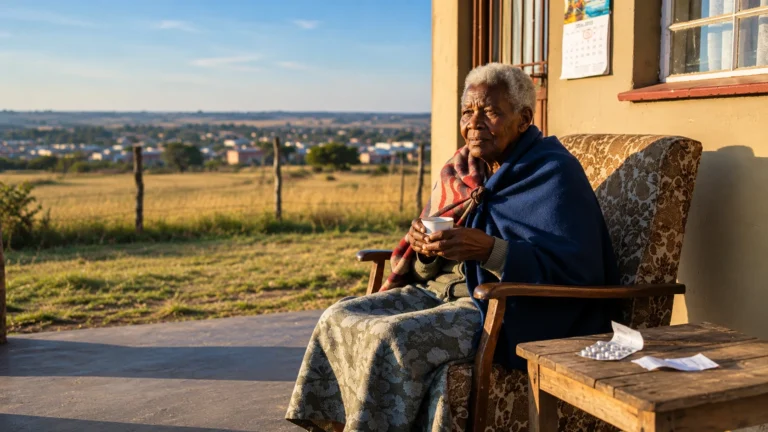
This is the story getting the most attention. Parliament wants the Department of Communications and Digital Technologies to finalise a sustainable funding framework for the SABC within six months.
Some headlines talk about an “end date” for TV licences. That makes it sound like the licence is already gone. It isn’t. A new funding model still has to be agreed and passed into law, and that takes time. Until then, the current rules apply. If you own a TV, you are still expected to hold a valid licence.
Why the TV licence is under pressure
The problem isn’t new. The SABC has told Parliament in the past that fewer than 20% of licence holders actually pay. Many young people never take out their own licence, because they simply watch on a parent’s account. Over the years, that has left the broadcaster with less money coming in and heavy losses.
An earlier SABC Bill suggested a household levy in place of the licence. People criticised it because it didn’t spell out a funding plan. It gave the minister three years to come up with one. Now Parliament seems to want things to move faster.
The options on the table
A few ideas have been floated before. None of them is final, so treat them as possibilities and not decisions.
One is a levy on streaming services, with current TV licence holders left out. Another is a household or business levy collected by SARS and kept in a separate fund for the broadcaster. A third is a temporary Treasury grant to keep the SABC going while a long term plan is built.
Every option has a catch. A streaming levy could push up subscription prices. A household levy would reach more people, but some will ask why they should pay if they never watch SABC. These are simple questions, but the answers aren’t easy.
If you want to follow progress, the Parliament of South Africa website is a good place to start. The public is usually invited to comment when a new bill or funding proposal moves forward.
Budget day and the wider economy
The economy is in the spotlight too. Finance Minister Enoch Godongwana is expected to present the medium term budget policy statement, and reports say he will stress fiscal discipline. The debt to GDP ratio is set to fall for the first time in more than twenty years. If that happens, it would be good news for the country’s finances and its credit ratings.
Markets were fairly calm going into the speech. The rand traded at about R16.40 to the dollar, R21.94 to the pound and R18.41 to the euro. Gold was at $4,114.98, and oil stood at $110.30 a barrel.
Data from Statistics South Africa is also due. Economists polled by Reuters expect inflation to climb to 4.7% in September, up from 4.4% in August. They also expect retail sales growth to slow to 3.0% in August, down from 3.4% in July. Those numbers might look dry, but they say a lot about prices and household spending, and that affects your own monthly budget.
More news to note
Two other stories are worth a quick mention.
The Department of Sport, Arts and Culture has gazetted new names for towns, villages and other geographical features in Gauteng and KwaZulu-Natal. Name changes often spark strong feelings in local communities, so expect some debate.
There was also a hard reminder about unemployment. The National Development Plan aimed for a rate of 6% by 2030. Instead, it rose to 33.6% in mid 2026. Planning Minister Maropene Ramokgopa tried to play down the gap, while critics blame weak policy and corruption. This one is far from simple to fix.
What readers should keep in mind
The main points are quite simple. The new 5% tariff applies to newsprint and mostly hits Canada, while other big trading blocs stay at 0%. The TV licence hasn’t ended, and Parliament only wants a new SABC funding plan within six months. Until the law changes, you should keep your licence up to date.
Policy changes like these can feel far away, but they reach everyday life. They touch the price of a newspaper, the cost of watching TV and the state of the economy. The best thing you can do is stay informed, check official sources, and wait for final decisions before changing any of your own plans. We’ll keep reporting as this story develops.
About the Author