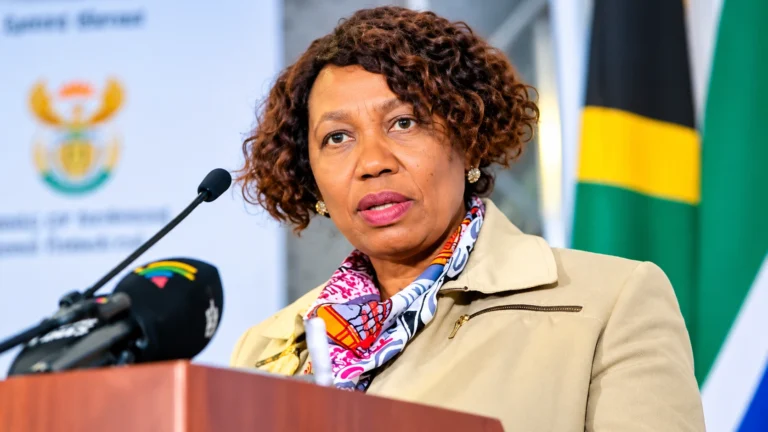
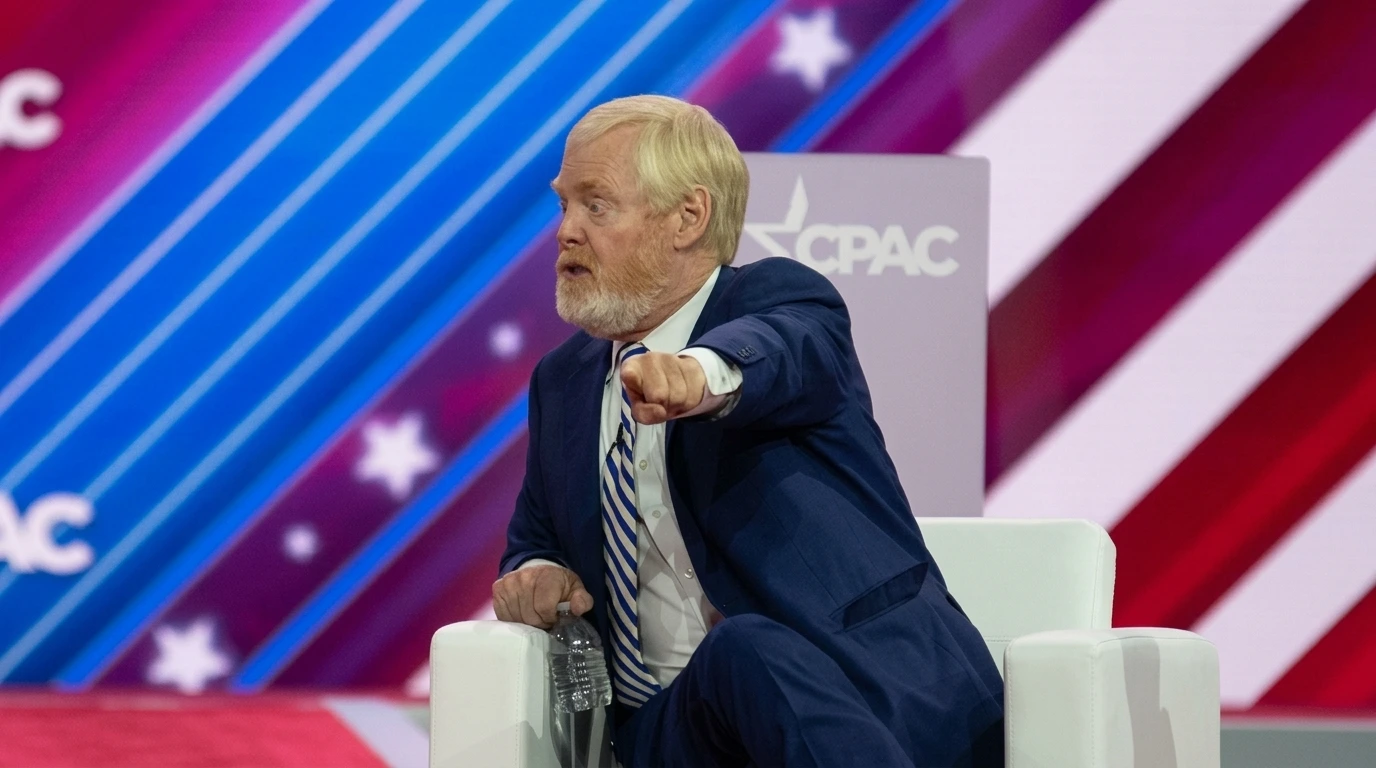
A public spat between Pretoria and Washington is now playing out in newspapers, television interviews and social media posts. At the centre are US Ambassador Leo Bozell and Foreign Minister Ronald Lamola. The latest chapter followed a formal demarche from South Africa’s foreign affairs department.
Here is a simple breakdown of what happened, what has been said, and why it matters to ordinary South Africans.
What happened
Last week, the Department of International Relations and Cooperation (DIRCO) sent Bozell a demarche. It was reportedly about comments he made in several recent media interviews.
Bozell did not take it quietly. In an interview aired on FOX News on Sunday, he said he was done being called out over his conduct. His main complaint is that American leaders are being insulted by Lamola, yet it is the American diplomat who gets lectured about behaviour.
It is an easy story to follow once you see the two sides. DIRCO says the ambassador crossed a line. The ambassador says he is being treated unfairly.
What is a demarche?
The word sounds heavy, but the idea is simple. A demarche is a formal message one government delivers to another, usually through diplomats. It can be used to raise a concern, register disapproval or ask for an explanation.
It is not a declaration of war or a break in relations. It is a standard diplomatic tool. Even so, receiving three of them in a short period is unusual and signals real friction.
DIRCO is the government department that handles South Africa’s relationships with other countries. Its official website, dirco.gov.za, carries statements and background on how South Africa conducts its foreign relations.
Three demarches in nine months
According to Bozell, this was the third demarche he has received since he was accredited as ambassador about nine months ago.
He said the second one dealt with the question of whether Lamola was on the US visa restriction list. The latest one, last week, was linked to his public comments.
Bozell’s reaction to the third was blunt. He said he no longer wants to hear lectures about how an American diplomat should behave. He argued that the foreign minister has travelled to American soil and insulted the US president, Secretary of State Marco Rubio and himself.
That is Bozell’s account. DIRCO’s side comes mainly through the demarche itself, which accuses him of undiplomatic conduct.
The “kitchen” remark
The sharpest exchange came from a newspaper interview. Lamola spoke to the Sunday Times and was reported as saying that if Bozell is no longer open to dialogue with South Africa, he should “get out of the kitchen.”
Bozell answered on X. He wrote that this was another personal insult from Lamola aimed at an American leader. He predicted that once he denounced it, South Africa would send another demarche lecturing him about being undiplomatic.
His prediction was already half true. The demarche had landed before the Fox News interview aired.
The chant at the centre of it
Behind the personal fight sits a deeper disagreement. In the Fox News interview, Bozell expressed American frustration that President Cyril Ramaphosa will not denounce a Constitutional Court ruling on a well known chant from the struggle against apartheid.
Bozell referred to the words “kill the farmer, kill the boer” and said that if those words are not hate speech, he does not know what is. He said the whole world would agree with him.
The Constitutional Court is the highest court on constitutional matters in South Africa. The source does not describe the details of the ruling, so it is best to say only what is confirmed. The US side wants Ramaphosa to speak out against it, and Ramaphosa has not done so.
Visa restrictions and a warning of more
The row did not begin this week. Last month the United States introduced visa restrictions for South Africans. Lamola raised concern at the time, calling the move unilateral.
Bozell has now warned that further sanctions are on the way. He said he cannot reveal what they would involve. That leaves a lot of uncertainty, and it is the part most likely to affect people outside government.
Until Washington says more, nobody can say who or what would be affected. Anyone who needs to travel to the United States for work, study or family reasons should watch for official updates. The US Embassy in South Africa is the proper place to check visa information directly.
Parliament wants answers
South Africa’s Parliament has also stepped in. News reports from earlier in the week said Parliament plans to call on DIRCO to explain the latest demarche.
This is a normal part of how oversight works. Elected representatives can ask a government department to account for its decisions. In this case, they want to understand why the demarche was sent and what South Africa hopes to achieve with it.
Expect questions about whether the approach is helping or hurting the relationship. Some members will likely back DIRCO’s stance. Others may argue that the tone of the exchange is making things harder.
Bozell says the door is still open
Despite all the sharp words, Bozell ended on a softer note. He said the United States is not about to give up on building good relations with South Africa.
That matters. Strong language in public does not always mean talks have stopped behind the scenes. Diplomacy often runs on two tracks. One is loud and public. The other is quiet and practical.
It also shows that both governments still have reasons to talk. The two countries are linked through trade, travel and shared global forums, and a long standing relationship is not easy to walk away from.
What this means for everyday South Africans
It is simple to treat this as a clash of personalities, but there are real stakes.
Visas and travel are the most direct concern. With restrictions already in place and more warned of, people with plans to visit the US should stay informed and avoid rumours.
Business confidence is another factor. Public arguments between governments can make companies and investors cautious, even when no new rules have been announced.
Trust between the two governments is the third. When messages are traded through interviews and social media posts, it can be harder to settle disagreements calmly.
None of this means a crisis is certain. It does mean the next few weeks are worth following closely.
What to watch next
A few things will show where this goes:
- DIRCO’s response to Bozell’s Fox News interview and his post on X.
- Parliament’s session with DIRCO, where officials may have to explain the thinking behind the demarche.
- Details on new sanctions, which Bozell says are coming but has not described.
- Any statement from Ramaphosa on the chant and the Constitutional Court ruling, since that is the issue Bozell keeps returning to.
The bottom line
A diplomatic disagreement has turned personal and public. The US ambassador says he is being insulted and then scolded. South Africa’s foreign affairs department says his conduct has been undiplomatic. Meanwhile, the real policy questions around visa restrictions, possible sanctions and a contested court ruling remain unresolved.
For now, the most useful thing readers can do is stick to verified information and official sources. Statements made in interviews and online posts often reflect one side of the story, so wait for confirmed facts before drawing conclusions.
About the Author