Woolworths has won an important round in court. The Gauteng High Court has allowed the retailer to sell alcohol at its new Food Emporium in Dainfern while a bigger legal fight plays out. The WCellar, a wine and liquor outlet inside the store, is expected to bring in about R200,000 a week.
The case shows how one missing licence can hold up a large retail launch. It also shows how much money a single section of a store can bring in.
What the court decided
The High Court ruled in favour of Woolworths on an urgent interdict. In simple terms, an interdict is a temporary order. It lets a business carry on with something until the court makes a final decision.
Here, the order lets Woolworths sell liquor at the Dainfern store for now. The court has not yet decided whether the full liquor licence should be granted. That is the second part of the case, and it will be heard later.
The court also ordered the Gauteng Provincial Liquor Board to pay Woolworths’ legal costs for the first part of the case. It said a punitive costs order was justified. That means the board carries a heavier cost burden than usual.
For Woolworths, the ruling is a clear win, even though it is not the final one.
A flagship store with a missing piece
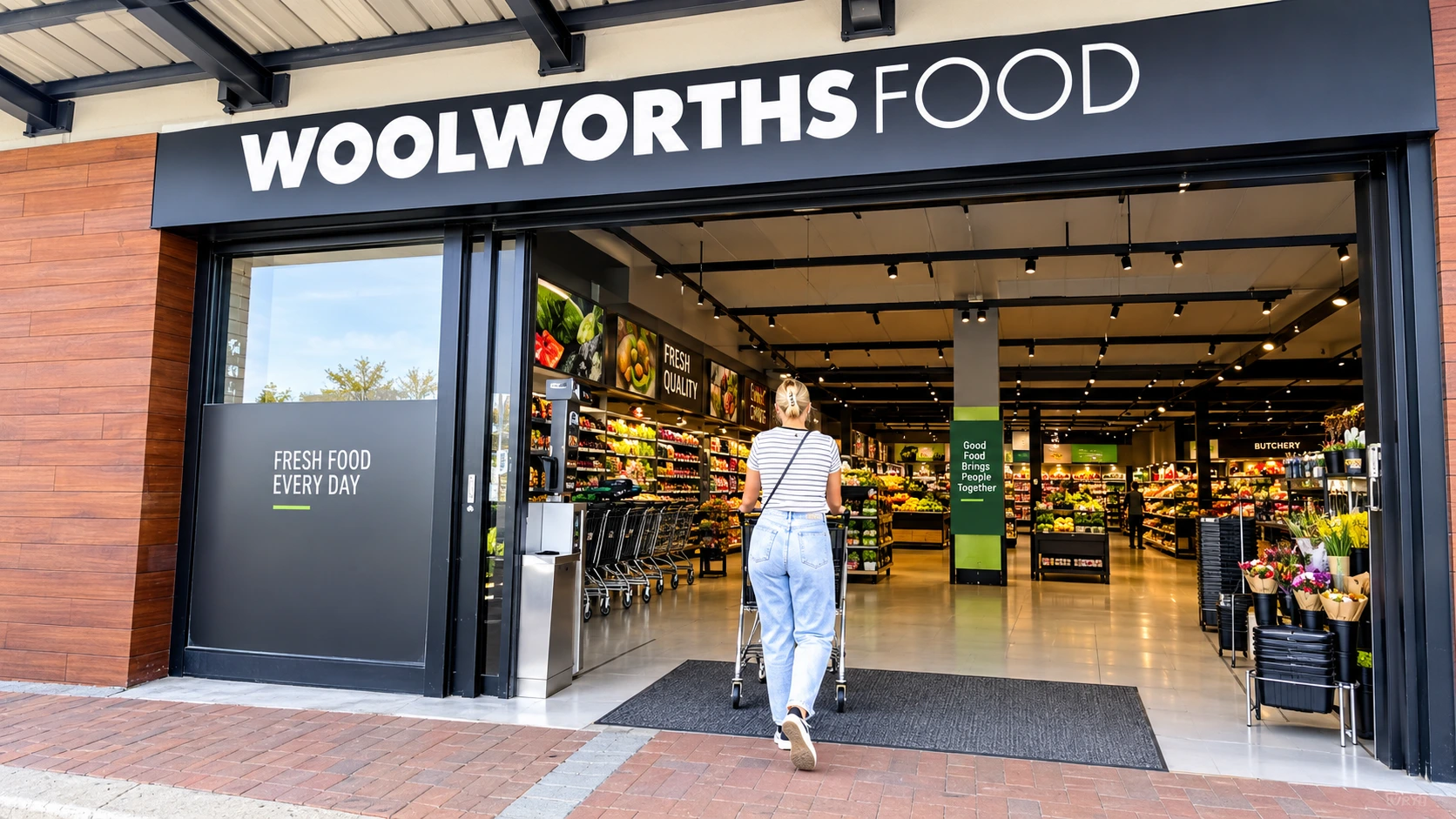
At the end of August 2026, Woolworths announced its new Food Emporium at Dainfern Square in Gauteng. The retailer called it a flagship, upmarket store. It was meant to bring the group’s biggest food range under one roof, with special sections and premium products.
The WCellar was part of that plan. It is the retailer’s dedicated outlet for wine and other alcohol. But the store opened without it, because the liquor licence was not in place.
How the licence problem started
The story goes back several years. According to the court record, Woolworths first applied for a liquor licence for the Dainfern store in October 2022. The Gauteng Provincial Liquor Board gave conditional approval.
The approval depended on two things. Woolworths had to send photos of the finished store, and the board had to carry out a site inspection. No time limit was set for meeting these conditions.
Then the project ran into delays. Construction only started in March 2026, and the store opened in August 2026. Shortly before the opening, the board said the original application had lapsed. It told Woolworths to submit a new application.
That left the retailer with a finished flagship store and no licence for the WCellar. Woolworths went to the Gauteng High Court. It asked the court to approve the licence and to grant an urgent order allowing it to trade in alcohol while the matter was decided.
Here is a simple timeline of the main events.
| Date | What happened |
|---|---|
| October 2022 | Woolworths applies for a liquor licence and gets conditional approval |
| March 2026 | Construction of the Dainfern store begins |
| August 2026 | The Food Emporium opens without its WCellar |
| Before opening | The board says the application has lapsed and a new one is needed |
| October 2026 | The High Court allows temporary liquor sales and orders punitive costs |
Why the R200,000 a week figure matters
Money was at the centre of the court’s thinking. The judgment noted that the WCellar was expected to earn about R10.4 million in gross turnover a year. That works out to roughly R200,000 a week.
The court accepted that every week without the WCellar meant lost sales. It said some customers would go to competitors instead. Those sales could not simply be recovered later.
This is where the idea of permanent loss came in. A shopper who buys wine somewhere else this weekend is not a sale Woolworths can win back next month. Courts look closely at this kind of harm when they decide whether an urgent order is needed.
It is worth being clear about one thing. The R10.4 million is a projection, not money already earned. It is the figure Woolworths put before the court, and the court relied on it when weighing the harm.
The launch moment cannot be repeated
The court also spoke about timing. It described the opening of the Food Emporium as a flagship launch and a one time commercial event. In its view, that kind of launch momentum cannot be recreated.
Think about how a big store opening works. There is publicity, there are crowds, and shoppers are curious. Many people visit in the first weeks to see what is new. If a section of the store is closed during that period, the business misses out on the busiest and most visible days.
The court agreed that Woolworths had suffered financial harm because the WCellar was not ready at launch. It said the harm came directly from the board’s refusal to finalise an application that had already been conditionally approved. The court noted that Woolworths had finished the premises as it had promised.
This is the key point in the ruling. Woolworths followed the steps it was asked to follow, and the court found that the delay on the board’s side caused the damage.
What shoppers can find at the Food Emporium
The WCellar is only one part of the store. Woolworths has built the Dainfern Emporium as a premium food destination. According to the retailer, shoppers can expect:
- A refreshed florist with seasonal flowers and arranged bouquets
- A What’s Cooking Bar where customers can get recipe ideas and taste products
- A larger bakery with fresh artisanal breads and pastries
- Separate fishmonger and butcher counters staffed by people who can give advice
- A specialist cheese counter with local and imported cheeses
- A sushi counter that prepares fresh sushi every day
- An elevated pantry with more premium local and international products
With so many specialist sections, the wine and liquor outlet fits the store’s theme. A shopper planning a dinner could buy fish or meat, bread, cheese and a bottle of wine in one trip. That is the kind of easy, one stop experience the retailer is aiming for.
What happens next
The ruling does not end the matter. It only gives Woolworths temporary permission to trade in alcohol. The court will still decide, at a later date, whether to approve the full liquor licence.
Until then, the WCellar can operate. If the court grants the licence in the second part of the case, the arrangement becomes permanent. If it does not, Woolworths could face a different outcome. No date has been reported for the next hearing.
This is why the case is worth following. The final decision may affect how liquor boards handle conditional approvals, and how long they stay valid.
Why this matters for South African retailers
South Africa has strict rules for selling alcohol. A business needs the right licence before it can trade, and in Gauteng the provincial liquor board handles those applications. The system is meant to protect communities and keep the industry regulated.
But the process can also be slow. Retailers plan large store openings months or years ahead. They hire staff, build shelves and order stock. If a licence is delayed or declared lapsed late in the process, the cost can be high.
This case shows how the courts can step in when they believe a delay is causing real, ongoing harm. It also sends a message to licensing bodies. A conditional approval should be handled with care, and any later decision should be fair and on time.
Businesses of every size can learn from this. Keep clear records. Know the conditions attached to any approval. Check whether an application can lapse. Following these steps is simple, and it can save a great deal of money.
Readers who want to understand liquor regulation better can read about the National Liquor Act and licensing rules on the official South African government website. Those who want to see how the courts work, including how urgent applications are handled, can visit the South African Judiciary website.
What this means for everyday shoppers
For shoppers in Dainfern and nearby areas, the outcome is easy to understand. The WCellar can now trade at the Food Emporium, at least for the time being. Customers who want a full food and wine shop in one place will be able to get it.
For the wider public, the story is a reminder of how much retail turnover can sit inside one corner of a store. Roughly R200,000 a week from a small section is a large amount. It explains why Woolworths took the matter to court instead of waiting.
The next step is the second part of the case. That is where the court will decide if the liquor licence stands on a permanent basis. Until then, Woolworths has what it needed most: the right to trade while the final answer is still being worked out.
About the Author