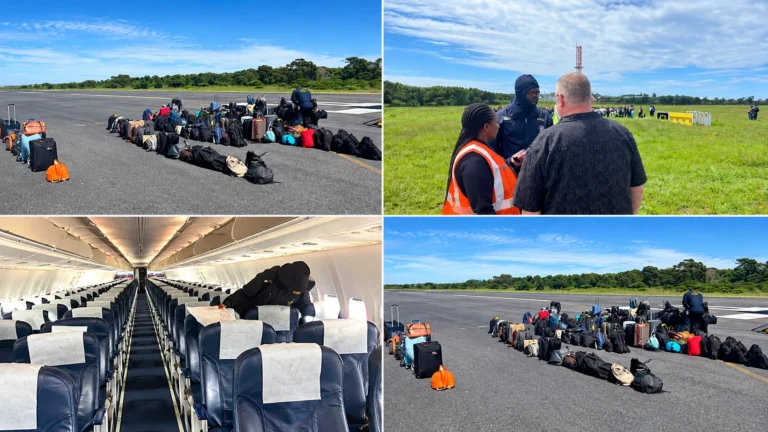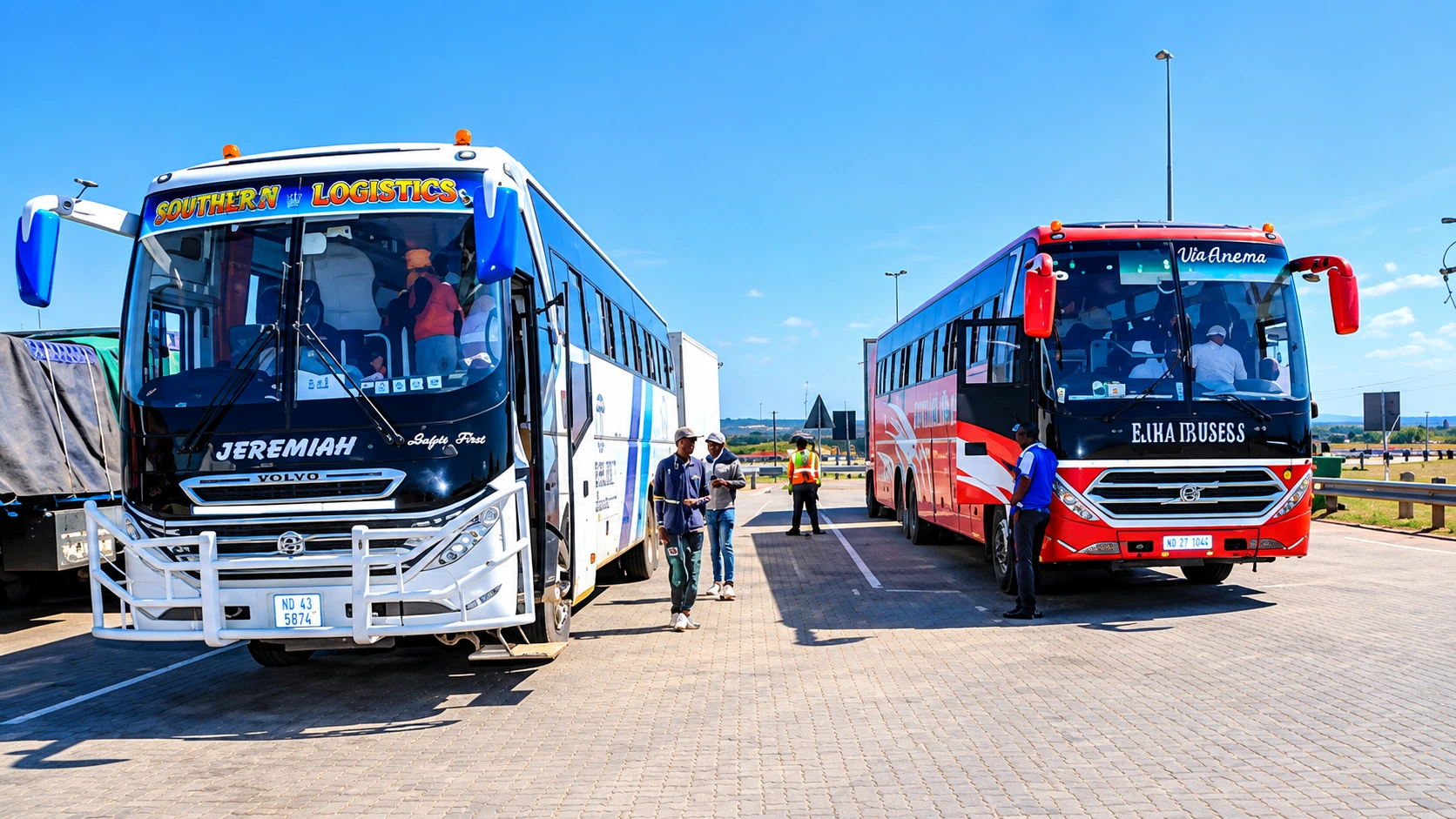
Two buses coming from Zimbabwe were pulled over on the N1 near Polokwane and sent to the Polokwane Weighbridge. What officers found there was a mix of overloaded passengers, an overweight bus and a large group of travellers with no passports. Immigration officials and K9 units were then called in to help.
What happened on the N1
The Limpopo Department of Transport and Community Safety confirmed that both buses were intercepted on the N1. Officers didn’t stop at a quick roadside check. They escorted the buses to the Polokwane Weighbridge, where a proper inspection could take place.
That’s a smart move. At a weighbridge, officers can weigh a vehicle, count the people on board and ask questions without traffic rushing past. It’s a simple way to find out whether a bus is following the rules.
And on these two buses, a few rules had clearly been broken.
The first bus: 88 passengers, 75 allowed
The first bus had 88 passengers on board. Its authorised carrying capacity is 75, so it was 13 passengers over the legal limit.
During the inspection, officers also found passengers without passports. The reported breakdown is 9 adults and 6 minors. That’s 15 people who couldn’t show the most basic travel document for crossing a border.
The second bus: 90 passengers, 74 allowed
The second bus was in even worse shape. It carried 90 passengers when it was only allowed 74. That’s 16 people too many.
The passport problem was far bigger here. Reports say 50 passengers had no passports. Of those, 28 were adults and 22 were minors.
The bus was also found to be overweight, and its driver was charged. The Department didn’t say whether the driver of the first bus faced any charge, so we won’t guess.
The numbers at a glance
Here’s an easy way to see the figures side by side.
| Detail | First bus | Second bus |
|---|---|---|
| Passengers on board | 88 | 90 |
| Authorised capacity | 75 | 74 |
| Passengers over the limit | 13 | 16 |
| Passengers without passports | 15 (9 adults, 6 minors) | 50 (28 adults, 22 minors) |
| Overweight finding | Not stated | Yes, driver charged |
Add it all up and the two buses carried 178 passengers. That’s 29 more people than the buses were allowed to carry. About 65 passengers had no passports, and 28 of them were minors.
Why immigration officials and K9 units were called
Once it became clear that so many passengers had no passports, immigration officials were called to the weighbridge. Their job was to verify who was on board and check each person’s status.
K9 units were brought in as well, to help with further checks on the buses. The Department hasn’t said what those checks turned up. Until officials confirm more, it’s best to stick to what we know.
South Africa expects people crossing its borders to carry valid travel documents. If you’re ever unsure about the rules, the Department of Home Affairs has clear information on its official website, and it’s a simple place to start: Department of Home Affairs.
Why overloading is a serious problem
A few extra passengers might not sound like a big deal. Anyone who works in road safety will tell you otherwise.
Every bus is built and approved to carry a certain number of people. That authorised capacity isn’t just a number on paper. It’s based on what the brakes, tyres, suspension and body can safely handle.
Push past that number and things get risky. The bus takes longer to stop. The tyres work harder. Steering and balance can suffer, especially on bends. And if a crash does happen, a packed bus leaves passengers with less room and fewer safe options.
An overweight bus adds to the danger. This is exactly why the second driver was charged. Overweight vehicles are a real threat on our roads, and checks like this one are meant to catch them before something goes wrong.
The role of the Polokwane Weighbridge
Most of us think of weighbridges as places where trucks stop. In reality they’re used for buses and other heavy vehicles too.
For officers, a weighbridge is a handy base. They can inspect, weigh and count passengers all in one spot. It also makes it easy to bring other teams on board. In this case, immigration officials and K9 units were able to join the operation at the weighbridge, which kept the whole process organised and calm.
October Transport Month and the Department’s message
The timing matters here. The Department said it strongly condemns what happened, especially because it took place during October Transport Month.
This is the time of year when Limpopo MEC Nakedi Kekana is leading efforts to promote safer transport and better compliance with road safety regulations across all transport systems. A case like this goes straight against that message.
The Department made its position plain. Road safety regulations must be respected at all times, and anyone who breaks the law will be dealt with according to the law. It also repeated a line we hear often, but one that’s worth taking seriously: road safety is a shared responsibility.
What this means for passengers
Long distance buses are popular because they’re affordable and convenient. Nobody is saying you shouldn’t use them. But passengers have a part to play too, and it’s not complicated.
Check your travel documents well before the trip. A valid passport is where it starts. If a bus looks completely packed, with people standing in the aisle or bags blocking the exits, take that as a warning. It’s fine to ask the operator about permits and passenger limits. A good operator won’t mind. And if you see something unsafe, report it to the authorities. It’s an easy step that could protect other people on the road.
Parents and guardians should take extra care. The reported figures include 28 minors without passports across the two buses. Children who cross borders need the right documents, and the rules can be strict. The Department of Home Affairs is the best place to confirm what applies to your family.
What bus operators and drivers should take from this
For operators, the message is clear. Squeezing in extra passengers may look like extra money, but the cost can be much higher. Fines, charges, delays and a damaged reputation can all follow.
Drivers carry responsibility too. The driver of the second bus has already been charged. Before setting off, a driver should check the load and count the passengers, and should refuse to leave if the bus isn’t within legal limits. For more on transport rules and road safety in the country, the national department’s website is simple to browse: Department of Transport.
What happens next
The Department hasn’t shared detailed next steps. What it has said is that anyone who has broken the law will face the legal process. The second driver has already been charged.
We also know that immigration officials are involved in verifying the passengers. More information may follow once those checks are done. When it does, it will only be worth reporting if it comes from the authorities themselves.
The bottom line
One stop on the N1 near Polokwane brought several problems to light at once: overloading, an overweight bus and missing passports. Two buses, 178 passengers, 29 people over the limit and 65 travellers without passports.
During October Transport Month, the Limpopo Department of Transport and Community Safety wants people to remember something simple. Road safety is a shared responsibility, and everyone, from passengers to drivers to operators, has a part to play.
About the Author