South African motorists have received a rare piece of good news. Transport Minister Barbara Creecy has rejected a plan to raise the RAF fuel levy to R3.00 per litre. The idea came from the Road Accident Fund (RAF), which says it needs more money to stay afloat. The minister’s reply was simple: households are already under enough pressure. Here is an easy guide to what was said, what it means for you, and why the story is not over yet.
The barbara creecy fuel tax decision in plain terms
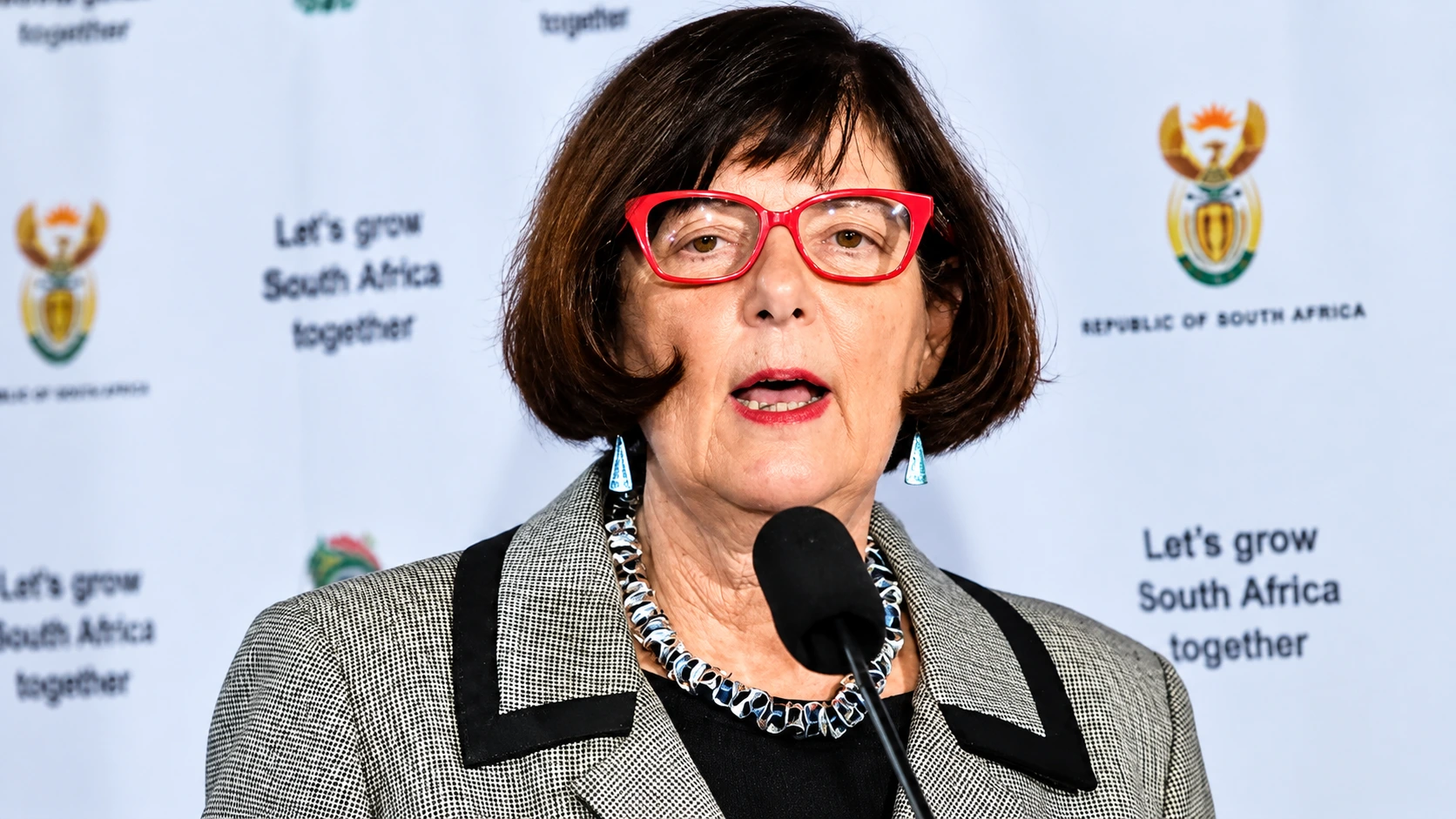
In an interview with eNCA, Creecy left no room for doubt. As long as she leads the Department of Transport, she will not ask National Treasury to raise the RAF fuel levy. That is the barbara creecy fuel tax decision in one line. It is a simple message and an easy one to follow.
Her reasoning is also clear. She believes consumers already carry enough financial pressure. So instead of asking drivers to pay more, she wants to fix the mismanagement that has troubled the RAF for a long time.
This barbara creecy fuel levy stance will be welcome news for anyone who fills a tank. Fuel costs touch almost every part of life, from the daily commute to the prices on shop shelves. A lower fuel tax burden is easy to appreciate, especially when household budgets are tight.
Where the idea of a higher levy came from
The proposal surfaced in the RAF’s annual report for 2025/26. In it, the fund said it would push for another rise in the fuel tax in the coming year. Its main argument was that the current funding model is under strain. Fewer litres of fuel are being sold, and the levy rate has stayed fixed for years.
The RAF also said it has sent a proposal to National Treasury through the Medium Term Expenditure Framework. It wants a stronger levy of up to R3.00 per litre. On top of that, it wants capital support from Treasury.
On paper, the idea is simple: raise the rate and collect more money. In real life, it is not that easy, because drivers and households would be the ones paying.
A quick look at the numbers
| Period | RAF fuel levy per litre |
|---|---|
| 2021/22 until the 2026 increase | R2.18 |
| 2026/27 | R2.25 |
| RAF proposal | Up to R3.00 |
The table makes the gap easy to see. Moving from R2.25 to R3.00 would add 75 cents per litre. That is roughly a third more than the current rate. It is a simple sum, but a big jump for motorists.
Why the RAF says it needs more money
The fund says its income has weakened over time. By its own account, the levy did not go up for five years, while inflation kept eating into its real income. When Treasury finally lifted the levy by 7 cents per litre in 2026/27, the RAF welcomed the move. Yet it said the increase was not enough.
There is another problem. Even though the rate went up, the money collected fell short. Fuel prices climbed because of the war in the Middle East and other inflationary pressures. As a result, motorists bought less fuel.
Here is the simple logic. The levy is charged per litre. If fewer litres are sold, less money flows in, even when the rate is higher. That is easy to understand, but hard to fix.
The RAF has long struggled with its finances. It also says it faces claims that keep growing with no clear ceiling. This is why its management wants a bigger levy to steady the fund and protect its long term position.
Creecy wants the RAF fixed first
Creecy argues that the first step is better management. She said the department has already taken steps to deal with the crisis at the fund, and more steps are coming. In her view, the goal is to stop wasting money and to stop dramatic moves that only grab headlines.
She also wants the rules changed. According to the minister, the laws and regulations around the RAF should be updated so the fund stops burning large sums on endless court battles. She called it outrageous that a fund paid for by taxpayers is asked to hand over such huge amounts.
In simple terms, her view is that the RAF must clean up its own house before it asks the public for more. That is an easy position to explain, and it will likely appeal to many drivers who feel they already pay enough.
Motorists may still face new charges
The levy hike may be off the table, but drivers are not completely in the clear. The government is looking at other ways to raise money for the RAF.
One idea is to apply the levy to all foreign registered vehicles entering South Africa. Another is to attach the charge to vehicle registration or licence renewals. Creecy has confirmed that these options are being investigated. The work is aimed at covering the rise of electric and hybrid electric vehicles on South African roads.
In July, Creecy said the government is working on a new funding model for the fund. She added that there is merit in a separate, mandatory RAF fee tied to vehicle registrations and licence disc renewals. The Department of Transport argues that a new transitional levy linked to vehicles is needed so that all road users contribute.
So the debate has shifted, not ended. Instead of one bigger fuel tax, the talk is moving toward a charge that sits on the vehicle itself. For more on how the fund works, you can visit the official Road Accident Fund website.
What the south africa fuel price outlook looks like
It is important not to read too much into this news. The decision stops one possible increase, but it does not promise cheaper petrol. The south africa fuel price outlook still depends on many factors, including global events. The RAF itself pointed to the war in the Middle East and wider inflation as forces that pushed fuel prices up and cut sales.
Pump prices in South Africa are reviewed every month, so the picture can change quickly. What this news does is remove one risk. A higher RAF levy would have added to the cost of every litre. That threat is now lower, at least while Creecy stays in her role.
National Treasury is the body that raised the levy this year, so its budget decisions will remain important. For official updates, readers can check the National Treasury website. It is an easy way to follow the facts straight from the source.
What this means for everyday drivers
For now, the RAF fuel levy sits at R2.25 per litre, after the small rise in 2026/27. Nothing changes at the pump because of Creecy’s announcement, but the risk of a sharp increase has eased. It is easy to feel relieved, yet wise to stay alert.
Here are a few simple habits that can help you plan your budget:
- Watch the monthly fuel price announcements. They show how pump prices are moving.
- Follow news on the vehicle linked charge. It could affect your licence renewal costs.
- Keep an eye on RAF reforms. Better management could reduce pressure for new charges.
These steps are simple, and they take only a few minutes each month.
The bottom line
Barbara Creecy has drawn a clear line. She will not back a bigger RAF fuel levy while consumers are under strain, and she wants the fund to fix its own problems first. That is a hopeful sign for motorists who worry about rising costs.
Still, the RAF’s money troubles are real, and the government is exploring other ways to fund it. The fuel tax question may be settled for now, but the wider debate about how to pay for the fund is far from over. The south africa fuel price outlook will keep depending on global events, and drivers will do well to stay informed. The facts are easy to follow, and the message is simple: one threat to your pump price has eased, but the conversation about road accident funding continues.
About the Author