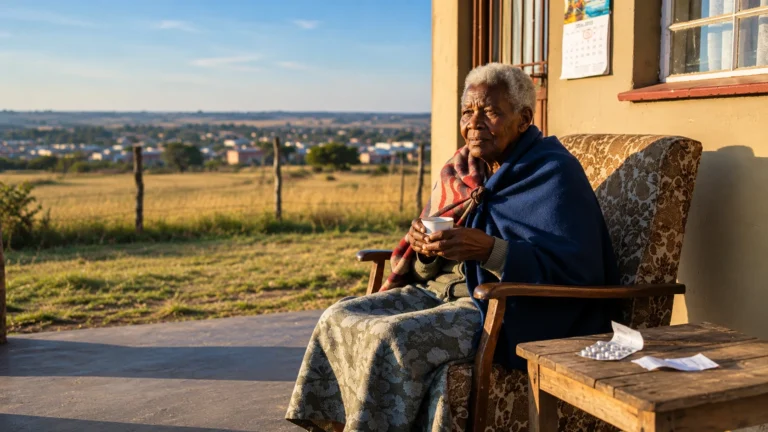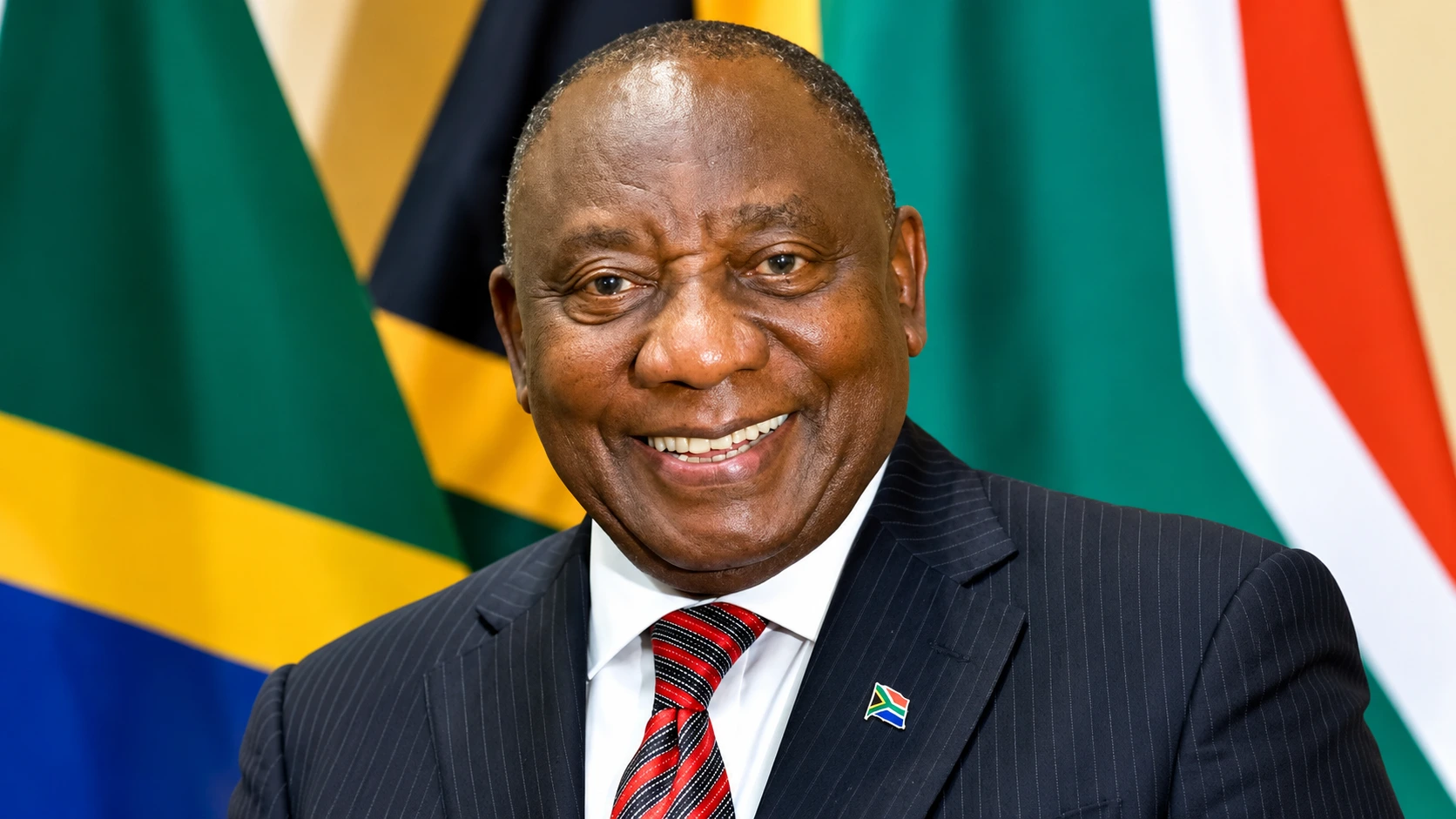
President Cyril Ramaphosa says government will hand over 2.5 million hectares of state owned land to black farmers. He shared the plan in his latest weekly letter to the nation. His message is simple: South Africa needs more people producing food, and more people need a fair chance to do it.
What the president actually said
In his letter, Ramaphosa pointed to what he called “two agricultures” in South Africa. On one side are large commercial farms, which are mostly white owned and produce most of the country’s commercial output. On the other side are black farmers, who he says account for only about 10% of that output.
He said this gap is a risk for the whole country. Relying on a small part of the population to feed everyone is not sustainable, he argued. The population is growing, and so is the demand for food.
The land will be released under government’s Proactive Land Acquisition Strategy. The president said the plan covers state owned land across the country. That is where the figure of 2.5 million hectares comes from.
It is easy to read this as only a land story. The president framed it as a food, jobs and growth story as well.
Why this matters for ordinary South Africans
Most people do not think about who grows their food until prices rise or supply is disrupted. Ramaphosa’s point is that a wider base of farmers makes the whole system stronger.
He also linked the plan to fairness. Bringing more black farmers into commercial agriculture would help correct the imbalance in the sector, he said. It would also help the country grow more food overall.
This is a simple idea on paper. In practice, it is not an easy fix, and the president admitted as much.
Land is only the first step
Ramaphosa stressed that giving a new generation of farmers land, with title deeds, is just the beginning. Farming at commercial scale takes much more than a piece of ground.
He said the country must build a pipeline of skilled and productive commercial farmers. Aspiring farmers need training, mentorship, technology and other resources. Without them, even good land can go unused.
He added that knowledge of crops, weather and animal disease comes mostly from experience. New farmers learn best from those who have already done the work.
The president noted that several industry bodies already run programmes along these lines. He named the following:
- Citrus Growers’ Association
- Grain South Africa
- National Wool Growers’ Association
- Potatoes South Africa
- Red Meat Industry Services
- Milk Producers’ Organisation
- Fruit South Africa
These groups are already helping to set up training channels, he said. The plan, then, is not to start from nothing.
Money is the other big hurdle
Land and skills still do not help much without funding. Ramaphosa said affordable capital is another key ingredient for building new farming businesses.
He pointed to the blended finance programme, which the Land Bank and the Department of Agriculture started to deal with this problem. He said commercial banks have also joined. You can read more about the bank’s role on the Land Bank website.
The president now wants more agribusinesses and commercial banks to come on board. He also wants new funding tools to be developed to support the sector.
For a young farmer, getting a loan on fair terms is often the hardest step. Making credit easier to reach could decide whether this plan succeeds or stalls.
Farming and jobs
Ramaphosa also tied the plan to the country’s job crisis. He said growing agriculture is one of the best ways to create work.
The numbers he shared give a clear picture of how big the sector already is:
| Measure | Figure |
|---|---|
| People employed on farms | About 944,000 |
| Extra jobs across the wider value chain | About 200,000 |
| Global ranking as an agricultural exporter | 32nd largest |
| Agricultural exports in 2025 | R270 billion |
The president said the sector has more than doubled in size since 1994. South Africa sells a wide mix of products abroad, including table grapes, maize, beef, wine, citrus, sugar and wool.
“Agriculture is a sector that holds immense potential for growth and jobs,” he said. He added that the country can bring more land under cultivation and create a new generation of black commercial farmers. The aim, he said, is to grow enough to feed all South Africans and still sell to markets around the world.
The numbers are being debated
Not everyone agrees with how the split in farming output is described. The president’s figures are attributed to a source, but fact checkers and academics have looked closely at similar claims about who produces what and who owns what in South African farming.
This is worth knowing. Land ownership and crop production are complicated topics, and the data can look different depending on how it is counted. Readers should treat headline percentages with some care and look at more than one source.
That debate does not change the core announcement. Government has said it intends to release 2.5 million hectares of state owned land to black farmers. What remains open is how the land will be allocated and how quickly. The reporting on the letter did not give a detailed timeline.
What to watch next
Several questions will decide whether this plan delivers real results:
- Who gets the land? Clear and fair selection will be crucial.
- Will title be granted? The president stressed titled access, which gives farmers security and helps them borrow.
- Will training reach people? Industry bodies need enough mentors and programmes.
- Will funding grow? More banks and agribusinesses must join the blended finance effort.
If these pieces fall into place, the plan could widen the base of South African farming. If they do not, land alone may not change much.
For official statements from the president, you can visit the Presidency website.
The bottom line
Ramaphosa wants a bigger, more inclusive farming sector. His plan has a simple core: release 2.5 million hectares of state owned land, support black farmers with skills and money, and grow food, jobs and exports together.
The vision is clear. The harder part is turning it into working farms, and that will take time, funding and steady follow through.
About the Author