South African motorists have two things to talk about this weekend. A longer driving licence is on its way, which means fewer trips to the testing centre. At the same time, the petrol price outlook for November looks a little less painful than it did a few days ago. Here is what is happening, in simple terms.
Cabinet backs a longer licence card
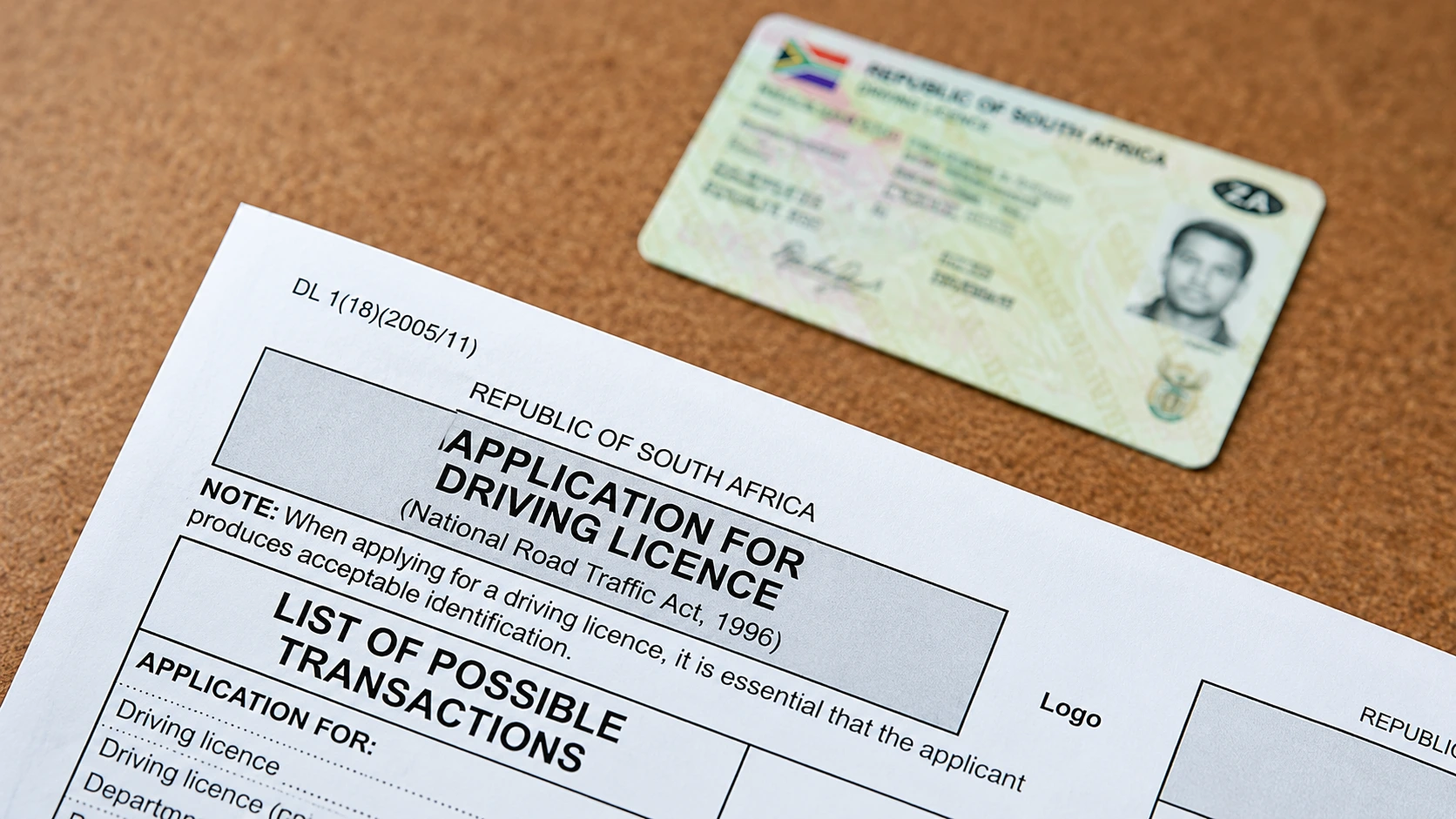
The biggest news for drivers is the planned change to driving licence card validity. On 30 July 2026, Minister in the Presidency Khumbulani Ntshavheni confirmed that Cabinet approved a longer validity period for licence cards used by most private motorists.
Today, those cards must be renewed every five years. Under the plan, they will last ten years. That halves the number of renewals a driver needs over a lifetime. For many people, it is the easiest good news in motoring this year.
The move is also seen as the most significant change to the licence card system since the current card was introduced in 1998. That is nearly three decades of the same basic rules.
Who benefits, and who does not
Not every licence code is included. The longer validity applies to codes A, A1, B and EB. These cover motorcycles and light motor vehicles, so in practice most private motorists are covered.
Heavy, commercial and public transport licences will keep their current cycles. Professional driving permits (PrDPs) stay on a two year renewal.
| Licence type | Current renewal | Planned renewal |
|---|---|---|
| Codes A, A1, B and EB (motorcycles and light vehicles) | Every five years | Every ten years |
| Codes C1, C, EC1 and EC (heavy and commercial) | Every five years | No change |
| Professional driving permits (PrDP) | Every two years | No change |
Do not stop renewing yet
This is the part many drivers could get wrong. The ten year validity is not yet in effect. Cabinet’s approval is a policy decision, and the change still needs legislative amendments before it becomes law.
Until the new law takes effect, motorists must keep renewing expired licence cards as usual. If your card expires next month, you cannot wait for the new rules. Book your renewal, pay the fee and keep your paperwork in order.
The Federation of Unions of South Africa (FEDUSA) made the same point. It welcomed the decision and urged licence holders to follow the current regulations until the law changes. It also hopes the longer validity will not lead to higher renewal costs. No such increase has been announced, but it is a fair question to keep asking.
For official updates, motorists can check the Department of Transport website. It is a simple way to avoid rumours.
Why this change matters
South Africa’s licensing system has struggled for years. Driving licence testing centres are often crowded, and many people spend long hours in queues just to renew a card.
A big part of the problem is the card printing machine. The country has relied on a single machine to print licence cards. It is around 27 years old and has broken down several times. Each breakdown creates a backlog, and thousands of drivers are left waiting for cards that should have been issued weeks or months earlier.
Fewer renewals should ease the pressure on both the machine and the testing centres. Authorities expect this change to reduce renewal volumes and cut the administrative burden on licensing offices. It should also reduce the number of visits each driver has to make over their lifetime.
The campaign group OUTA has pushed for this change since September 2020. It studied licence validity in 35 countries and found an average of about 8.5 years. Periods ranged from three years to as many as 20. A ten year card puts South Africa above that average, and it is an easy change to defend.
A long road to get here
This reform did not happen overnight. In 2022, the then Transport Minister Fikile Mbalula said the Road Traffic Management Corporation (RTMC) would study whether the validity period should be extended. The RTMC completed its work.
Progress then stalled. In 2024, the Department of Transport indicated it would not proceed with the extension, even though the study reportedly backed a longer period. Cabinet’s approval this year turns that around.
There is a funding question as well. The Driving Licence Card Account depends on renewals to operate. Fewer renewals mean fewer fees coming in, so the Department of Transport has asked for a pricing model to work out how future costs should be covered. Motorists will want to watch this closely, since a longer card should not simply become a more expensive one.
Petrol prices: a small bit of relief
Now to the pump. Early in October, fuel prices rose again, and petrol and diesel reached record levels. Early data from the Central Energy Fund then pointed to another big increase for November.
The latest reports are slightly better. The under recovery on petrol for November started above R4 per litre. It has since dropped to about R3 per litre. An under recovery means the pump price is lower than the real cost of importing fuel. When that gap is large, a price hike is needed to close it.
Motorists should not celebrate too early, though. A R3 per litre hike would still be a major blow. The numbers are also recalculated daily, so they can change before the official announcement. Analysts have also noted that petrol is already roughly a third more expensive than at the start of the year.
What is moving the fuel price?
South Africa adjusts fuel prices once a month. The adjustment is based on international oil prices, the rand and dollar exchange rate, and local fuel taxes and levies. Local prices usually lag global moves by about a month.
Right now, oil prices are being pushed in two directions:
- Easing tension: Prices fell after US President Donald Trump said the United States would not attack Iran before elections next month.
- Ongoing risk: Prices ticked up again because of fresh tanker attacks in the Strait of Hormuz and the prospect of more Russian diesel reaching global markets.
Brent crude settled near $105 a barrel after jumping more than 4% on Thursday. Renewed fighting between Saudi Arabia and the Houthis in Yemen has added to nerves in the region. Analysts describe it as a two way market, where geopolitical risk competes with better physical supply.
The rand gives some support
The rand also helped. It ended the week around R16.50 to the dollar, about 0.4% stronger than its previous close. That snapped a four week losing streak.
Firmer gold prices and a subdued US dollar supported the local currency. A stronger rand makes imported fuel cheaper in rand terms, which can reduce the size of a future increase.
TreasuryONE’s Andre Cilliers said the rand’s near term direction depends on whether global risk sentiment keeps improving. If oil and bond yield pressure return, investors could move back to the dollar. In other words, the relief could be short lived.
What should you do now?
A few simple steps can help.
- Check your licence expiry date. If it is close, renew now. Do not wait for the ten year rule.
- Follow official channels. The South African Government website is the best place for confirmed announcements.
- Plan your fuel spending. The final November price will only be confirmed at the end of October. Try to cut unnecessary trips and combine errands where you can.
- Avoid unverified claims. Online posts about “new licence rules” are often wrong. Stick to official sources.
The bottom line
The longer driving licence validity is a welcome reform. It should mean fewer queues, fewer backlogs and less admin for millions of drivers. The change is not law yet, so everyone must keep renewing under the current rules for now.
On petrol, the picture has improved only slightly. A smaller hike is still a hike, and the final figure depends on oil, the rand and events in the Middle East. For now, it is wise to hope for the best and budget for the worst.
About the Author