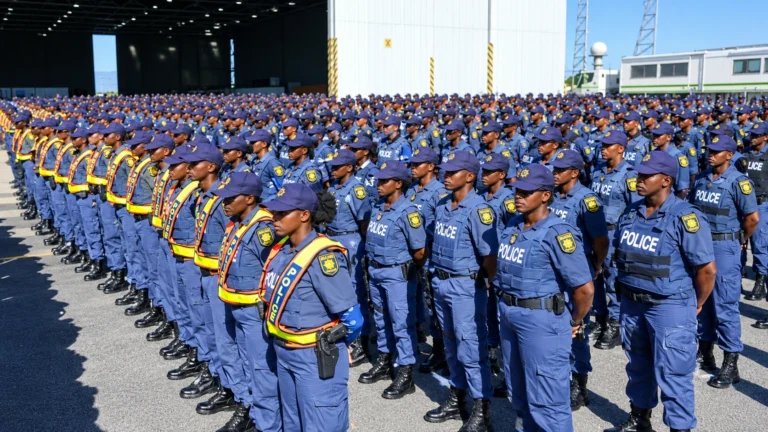
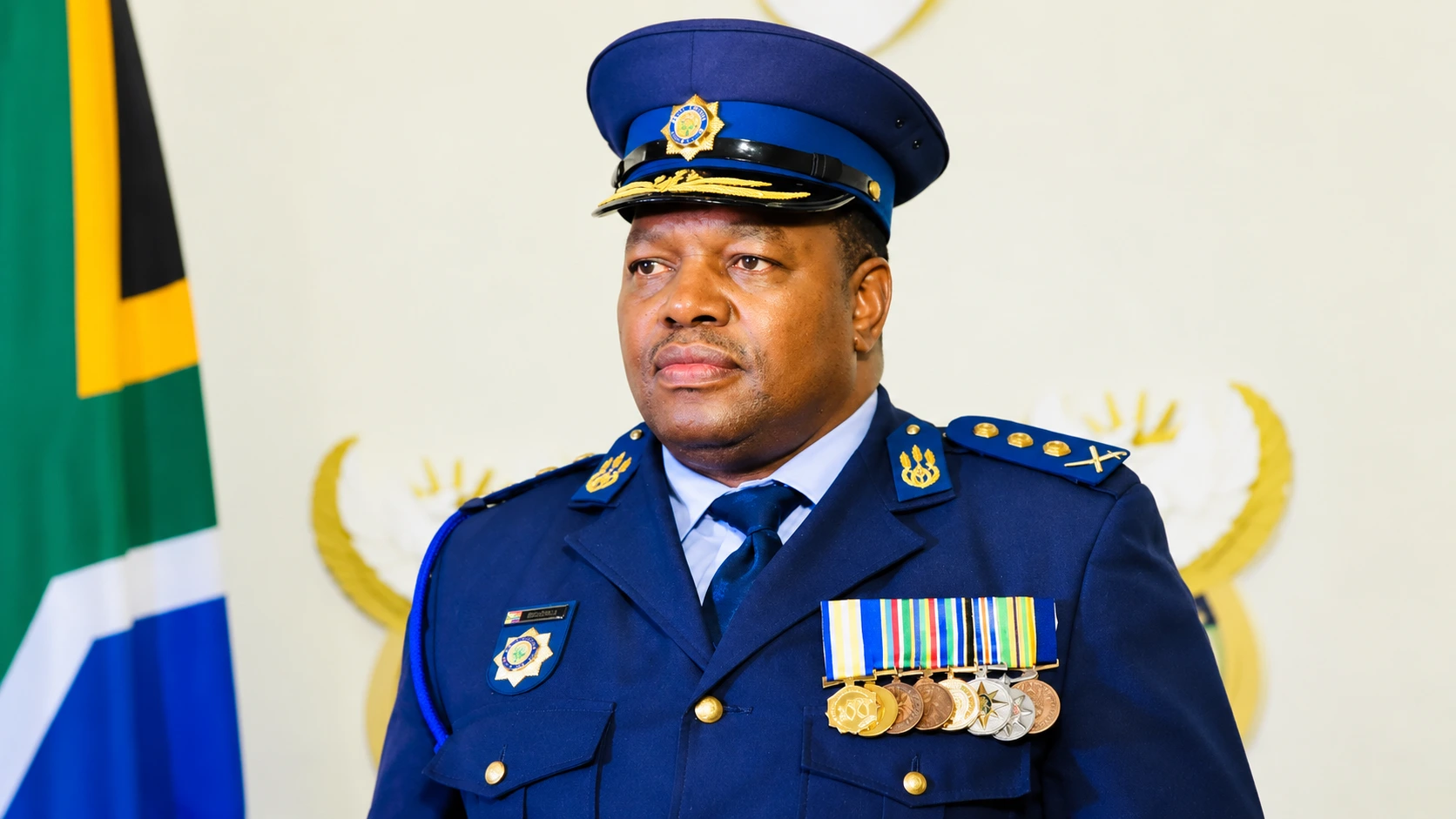
National Police Commissioner General Fannie Masemola is back behind his desk. On Monday, 19 October 2026, he went back to work after President Cyril Ramaphosa lifted his precautionary suspension. The criminal charges against him had been withdrawn, which cleared the way.
His first message was short. He wants to unite the South African Police Service, win back public trust and get on with fighting crime. Settling old scores is not on his list. Let’s look at what happened and why it matters to ordinary South Africans.
What Masemola said on his first day back
Masemola didn’t dress things up. He told those gathered that he is there to work, not to chase people. SAPS, he said, already has internal processes for dealing with management problems. What he wants most is to clean up the organisation and bring back public confidence.
He also talked about the power that comes with the job. To him, it is borrowed authority, handed over by the people of South Africa. The police, he said, exist to serve those people.
He thanked President Ramaphosa for ending his suspension. In his view, being reinstated backs up the rule of law and the integrity of state institutions. He also admitted that the last few months had tested the police service. Faith and resolve were both stretched.
You can understand why the tone matters. The top of the police service has looked unsettled for a while. A leader who talks about unity instead of payback might help calm tempers inside the ranks.
Why he was suspended in the first place
Masemola was charged on 21 April. He faced four counts under section 38 of the Public Finance Management Act. These were tied to the R360 million Medicare24 health services contract.
He was named as the 17th accused in a case that also involves businessman Vusimuzi “Cat” Matlala. Matlala stands accused of leading a criminal enterprise.
Then things changed. On 22 September, the Pretoria Magistrate’s Court withdrew every charge against Masemola. This came after an instruction from National Director of Public Prosecutions Andy Mothibi. Masemola says he trusted the legal process the whole way through.
The National Prosecuting Authority decides which cases go to court and which do not. If you want to know more about how it works, the official NPA website is a good place to start.
A simple timeline of key events
| Date | What happened |
|---|---|
| 21 April | Masemola was charged in the Medicare24 matter |
| 22 September | The Pretoria Magistrate’s Court withdrew all charges |
| 12 October | Deputy national commissioner Shadrack Sibiya resigned from SAPS |
| 19 October | Masemola resumed his duties as police chief |
The Sibiya resignation and the Madlanga Commission
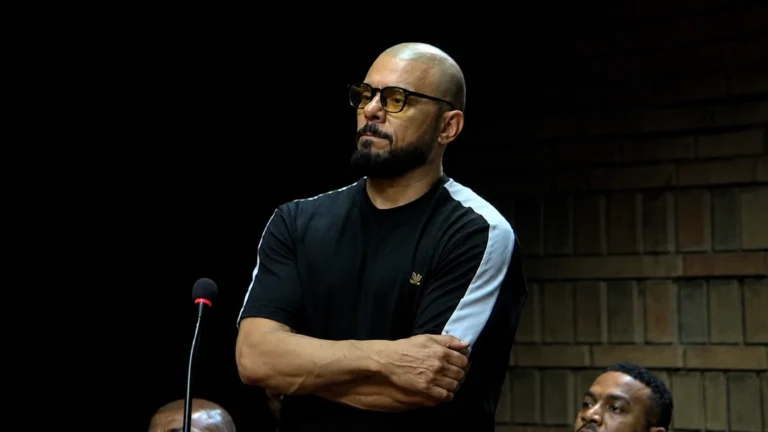
Masemola is walking back into an organisation that has been through other storms too. His deputy, Shadrack Sibiya, resigned from SAPS on 12 October, right in the middle of his disciplinary hearing. That hearing had to do with allegations that surfaced at the Madlanga Commission.
Sibiya is also facing separate sexual related charges. He has been remanded at Kgosi Mampuru Correctional Facility.
Masemola says he is waiting for the final report of the Madlanga Commission of Inquiry. He hopes its recommendations will tighten accountability, expose weak spots and push through the reforms SAPS needs.
For many South Africans, this report could turn out to be the biggest part of the story. What it says may shape how the police are run for years.
Defending ordinary police officers
Masemola also stood up for the many officers who just get on with the job. A few bad apples, he argued, should not cast a shadow over the majority. Wrongdoing must be dealt with, he said, and he didn’t dodge that point. But most officers are out there doing what they are paid to do.
He gave a few everyday examples. People can still draw cash at an ATM. People can still do their grocery shopping. For him, that shows the police are helping keep things safe. He did admit there is a lot more to be done.
He also had a message for senior managers. They must show discipline and work as a team. A strong police service, he said, can’t be built around personal interests.
Thanks to the acting commissioner
While Masemola was suspended, Lieutenant General Puleng Dimpane kept the seat warm as acting national police commissioner. He thanked her for stepping in.
He pointed out that his suspension landed in the middle of the annual performance plan cycle. That means police members now need to catch up and hit the targets in the plan.
Where the money and focus will go
Masemola says frontline officers and police stations will come first. Resources will go towards equipment and the other tools officers need every day. The recruitment of new police trainees will go ahead as well.
It sounds like common sense, and it is. A local station with working vehicles, proper equipment and enough people on shift makes a real difference to the community around it.
Local government elections and the festive season
Masemola is already looking ahead. SAPS will start checking whether it is ready for the upcoming local government elections. Gauteng was the first stop on Monday.
He also asked people who are out campaigning to be patient. Everyone should get a fair chance to campaign, he said, and he wants the elections to go ahead peacefully.
The festive season safety campaign has started too. It kicked off in Mpumalanga with a strong focus on road safety. If you are driving a long way this December, keep that in mind. Slowing down and staying alert is the easy part. It all starts with you behind the wheel.
For safety tips and police contact details, you can visit the official SAPS website.
A call to fight gender based violence
Masemola called for harder action against gender based violence. Women, he said, have every right to feel safe in public and at home.
It remains one of the toughest problems in the country. The police can’t fix it alone. Still, visible policing, fast responses and proper investigations can help survivors feel that someone is listening.
What this means for South Africans
Masemola’s return puts an end to months of uncertainty at the top of SAPS. He says he won’t let the past get in the way. His focus, in his own words, is on leadership, institutional renewal and making SAPS better at delivering a service.
Promises are easy to make. People will judge him on what they see in their own streets. They will want better service at their local police station, real action against crime and corruption, and a calm election period. They will also hope for a safe festive season and firmer steps against gender based violence.
The next few weeks should show how far his plans actually go. And when the Madlanga Commission’s final report lands, the police leadership may be tested once again.
For now, the picture is simple. Masemola is back, and the pressure to deliver is firmly on him.
About the Author