Dairy farmers in South Africa are worried, and they’re saying it out loud. One of the country’s biggest milk buyers has cut what it pays producers, and farmers say they can’t take much more. If enough of them pack up, you could feel it at the supermarket shelf in the form of higher milk prices. The story is simple to follow, but what it means for your grocery bill isn’t easy to brush off.
What farmers are being paid now
Lactalis, one of the largest milk buyers in the country, has dropped its farm price by 70 cents per litre. That’s roughly 10%. It doesn’t sound like much. But when you run a farm on thin margins, it’s not an easy knock to absorb.
André van Heerden is the chief executive of the dairy cooperative Samilco. He says most of the farmers he speaks for were already losing money before this cut. Ten percent off the top, he says, is simply too much.
And the timing hurts. Fuel is up. Energy is up. Other production costs keep creeping higher too. So farmers are spending more to keep the lights on while being paid less for every litre. The simple truth is that the sums stopped working for a lot of them.
Who is Samilco?
Samilco speaks for farmers in the Southern Cape, mostly from Caledon to George. Many of them run small or medium sized farms, and most have other farming work on the side to bring in extra money.
That matters more than it sounds. Some of these farmers are using income from other parts of the farm to keep their dairy going. They’re subsidising their milk production, basically. Nobody can do that forever, and it’s certainly not an easy way to make a living.
Why farmers say they have little power
Van Heerden says buyers hold the cards. Farmers do have committees where they swap information and negotiate, but he says they’re still price takers. The buyer names a price. The farmer takes it or leaves it.
What he wants is more transparency. As he sees it, buyers know exactly what it costs farmers to produce milk. Farmers, on the other hand, can’t see what it costs the processors, or whether the processors and retailers are making good money. He’d like both sides to be working from the same facts.
A simple, honest look at the numbers would show whether the squeeze is fair. For farmers, that would be an easy place to start rebuilding trust.
Will shoppers see cheaper milk?
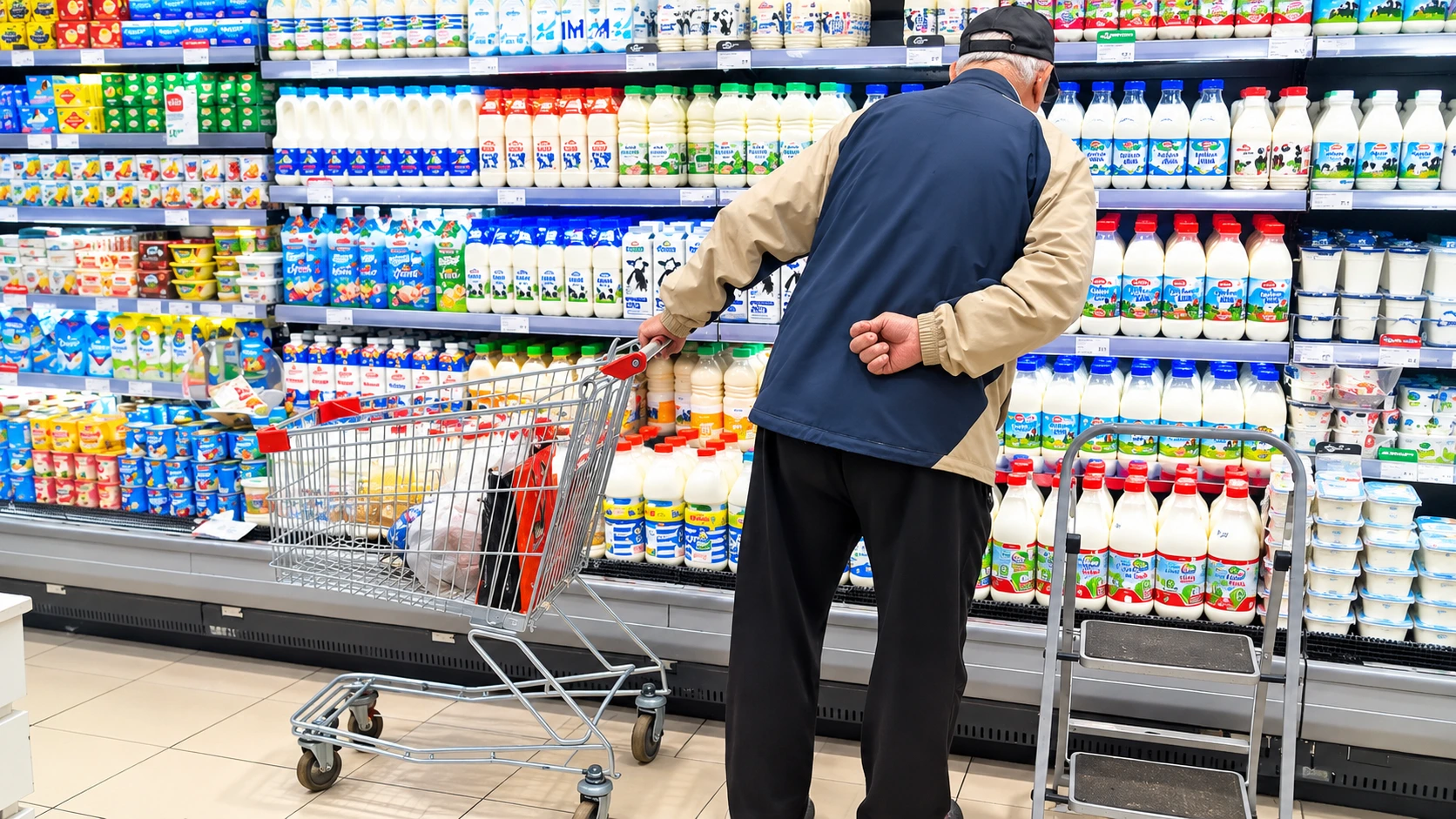
You’re probably wondering the same thing. If farmers get paid less, shouldn’t milk cost less in the shops?
Van Heerden thinks it should, at least if the cut is meant to clear a milk surplus. His logic is straightforward. If the price drops at the farm to move extra stock, you’d expect to see that on retail shelves too, and dairy products would start flying off them.
But he admits it’s hard to tell whether any savings are being passed on. Diesel and energy costs are rising all along the supply chain, from the farm to the factory to the shop. So it’s tough to say who’s saving and who’s paying more. Without open data, it isn’t easy to follow the money.
The surplus and the lost exports
South Africa has more milk than it can sell at home right now. That’s what van Heerden says, and he ties it to problems in export markets. Some producers have lost contracts in the Middle East, especially in Saudi Arabia. All that milk has to go somewhere, so it ends up on the local market and pushes prices down.
Farmers say they’ve already done plenty to cut costs and work smarter. Just look at the dairy parlours. There used to be more than 200 in the country. Now there are about 144. It’s a simple number, but it says a lot about how hard things have been.
Could more dairy farms close?
Van Heerden has a blunt warning. More price cuts could force more farmers out of dairy, and he says the Southern Cape is where that risk is highest. Many farmers there don’t have profitable alternatives to fall back on.
He was asked whether closures could change what you pay for milk. He said he believes they could, and the reasoning is easy to follow. If lots of dairy farms close, South Africa may need to import more milk and dairy products. Shipping, import costs and transport all push the price up. By his reckoning, that makes dairy more expensive for consumers.
So the chain looks like this. Fewer local farms, more imports, higher prices. It’s a simple line to draw, even if nobody can say how quickly it would happen.
What happens next
Samilco has taken its concerns to the Competition Commission. It’s also thinking about legal action under competition law. The Commission is the national body that deals with fair competition in business, and you can read about what it does on the official Competition Commission website.
It’s too early to say how this will play out. For now, farmers are asking for fairer pricing and more openness from the companies that buy their milk.
What this means for your wallet
Nothing changes at the till today. Nobody has announced a price hike. The warning is about the long term, and about what might happen if more farms shut down and the country leans harder on imports.
Still, it’s smart to stay a step ahead. Check the price per litre rather than just the sticker price. Compare brands and pack sizes while you’re in the aisle. And keep an eye out for specials on the dairy you buy most. None of it is hard, and it’s an easy way to protect your budget if prices start moving. If you want more background on the local dairy sector, Milk SA is the industry body.
The bigger picture
This story shows how one decision at the top of a supply chain can roll all the way down to your kitchen. Farmers feel trapped between rising costs and falling prices. Buyers, processors and retailers have their own pressures too. And shoppers sit at the end of the line, which means they could be the ones left paying for it.
The big questions are still open. Will savings from lower farm prices ever reach the shelf? Will local dairy farming hang on long enough to keep milk affordable? Every household that pours a glass of milk has a stake in the answer.
About the Author